What Is Phytase? Definition, Feed Function, and Formulation Value
Learn what phytase is, how it releases phosphorus from phytate in plant-based feed ingredients, and why feed formulators use it to improve nutrient value and sustainability.
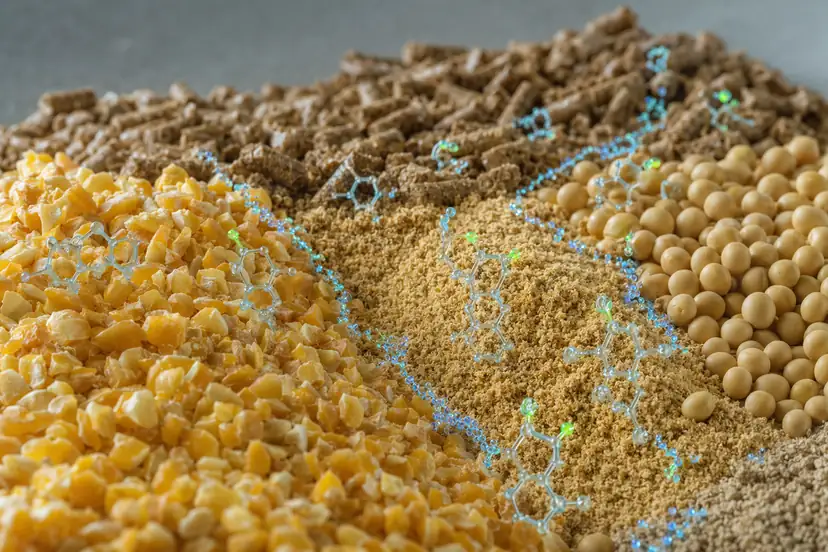
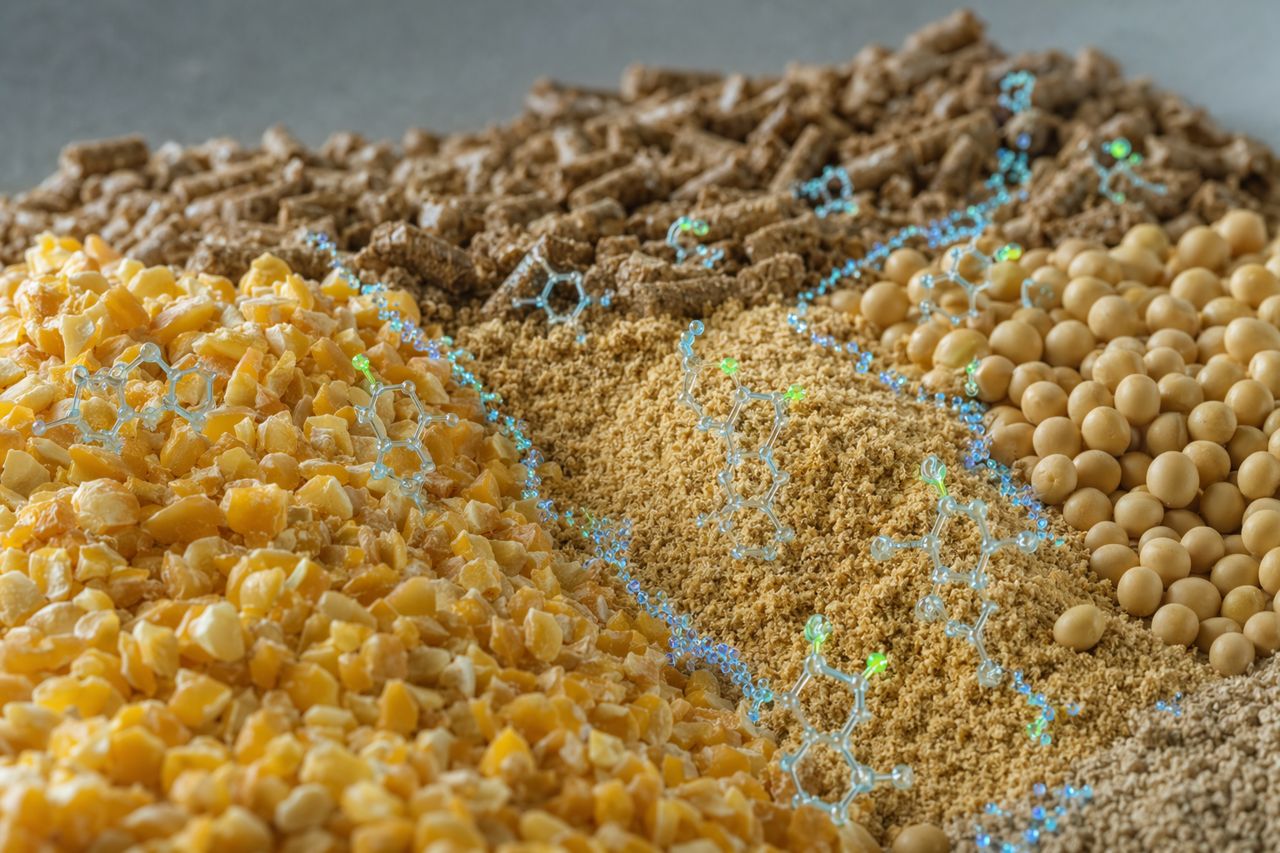
Phytase is a feed enzyme used to break down phytate, the main storage form of phosphorus in plant-based raw materials such as corn, wheat, soybean meal, rapeseed meal, and rice bran.
Its proper enzyme name is Phytase (myo-inositol hexakisphosphate phosphohydrolase). In practical feed formulation, phytase is valued because it helps unlock phosphorus that animals cannot efficiently access on their own.
For nutritionists and feed manufacturers, phytase is not just an additive. It is a formulation tool that can reduce dependence on inorganic phosphate, improve mineral availability, and support lower nutrient waste from animal production.
The core function: releasing bound phosphorus
Plant ingredients contain phosphorus, but much of it is bound inside a molecule called phytate. Phytate can pass through the digestive tract with limited nutritional value, especially in monogastric animals.
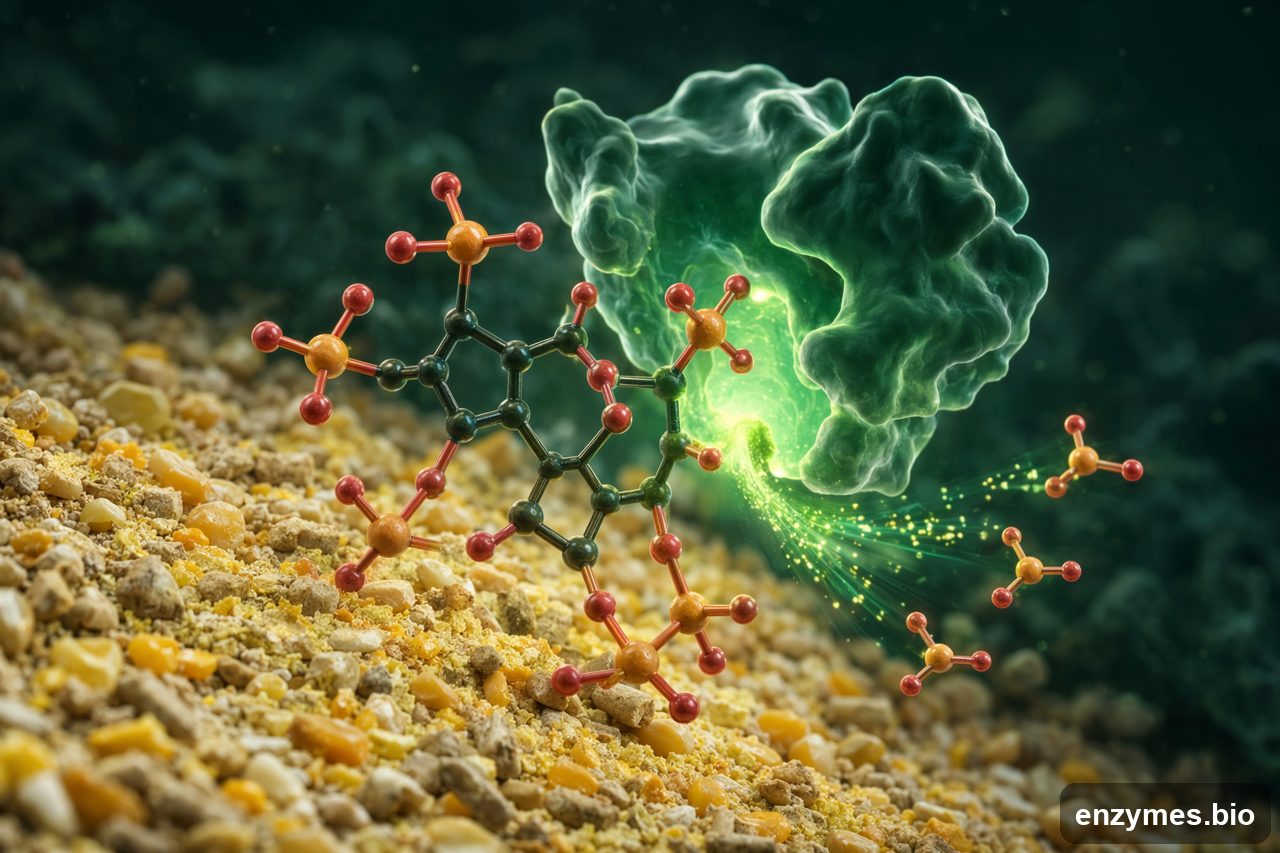
Phytase catalyzes the hydrolysis of phytate. In simpler terms, it cuts phosphate groups away from the phytate molecule, making phosphorus more available for absorption.
This matters because phosphorus is essential for:
bone development and skeletal strength
energy metabolism
growth performance
eggshell formation in layers
overall mineral balance
Without phytase, a larger share of the phosphorus present in feed may remain unavailable and be excreted.
How phytase works in animal feed
When included in feed, phytase becomes active in the digestive environment and begins degrading phytate step by step. As phytate is broken down, phosphate is released, and the anti-nutritional effect of phytate can be reduced.
Phytate can bind minerals and interact with proteins and starches. By reducing phytate pressure, phytase can support broader nutrient utilization beyond phosphorus alone.
Key nutritional effects
Phytase may help improve access to:
phosphorus from grains and oilseed meals
calcium balance when the mineral matrix is correctly formulated
trace minerals such as zinc, iron, and manganese
energy and amino acid value through reduced phytate interference
The exact response depends on animal species, diet composition, feed processing conditions, and the formulation strategy used by the nutrition team.
Why feed formulators use phytase
Phytase is widely used because it converts an unavailable nutrient pool into formulation value. The commercial case is usually built around three outcomes.
1. Lower inorganic phosphate requirement
By releasing phosphorus already present in feed ingredients, phytase can reduce the need for added inorganic phosphate sources. This can create cost savings, reduce exposure to phosphate price volatility, and improve raw material flexibility.
2. Better precision in mineral nutrition
Phytase allows nutritionists to formulate closer to the animal’s requirement, rather than over-supplying phosphorus to compensate for poor availability. This supports more precise calcium-to-phosphorus balance and improved nutritional control.
3. Reduced phosphorus excretion
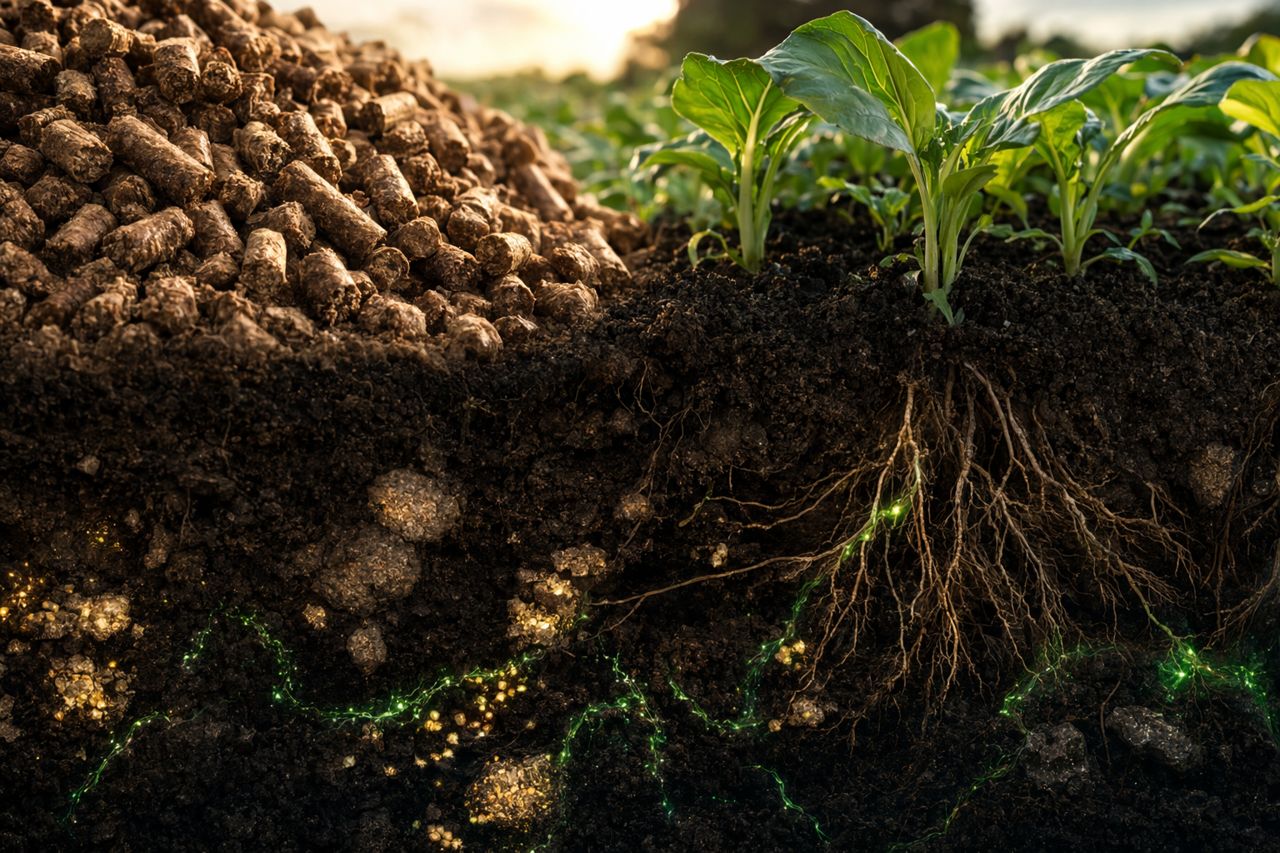
When more phosphorus is absorbed, less is lost in manure. That makes phytase a practical tool for producers managing nutrient output, land application limits, and sustainability reporting.
Common feed applications
Phytase is most commonly used in monogastric feed, including:
broiler diets
layer diets
turkey feed
swine starter, grower, and finisher diets
aqua feed where plant proteins contribute significant phytate
It is also relevant in formulations with high inclusion of plant co-products, where phytate levels can be more pronounced.
What buyers should evaluate
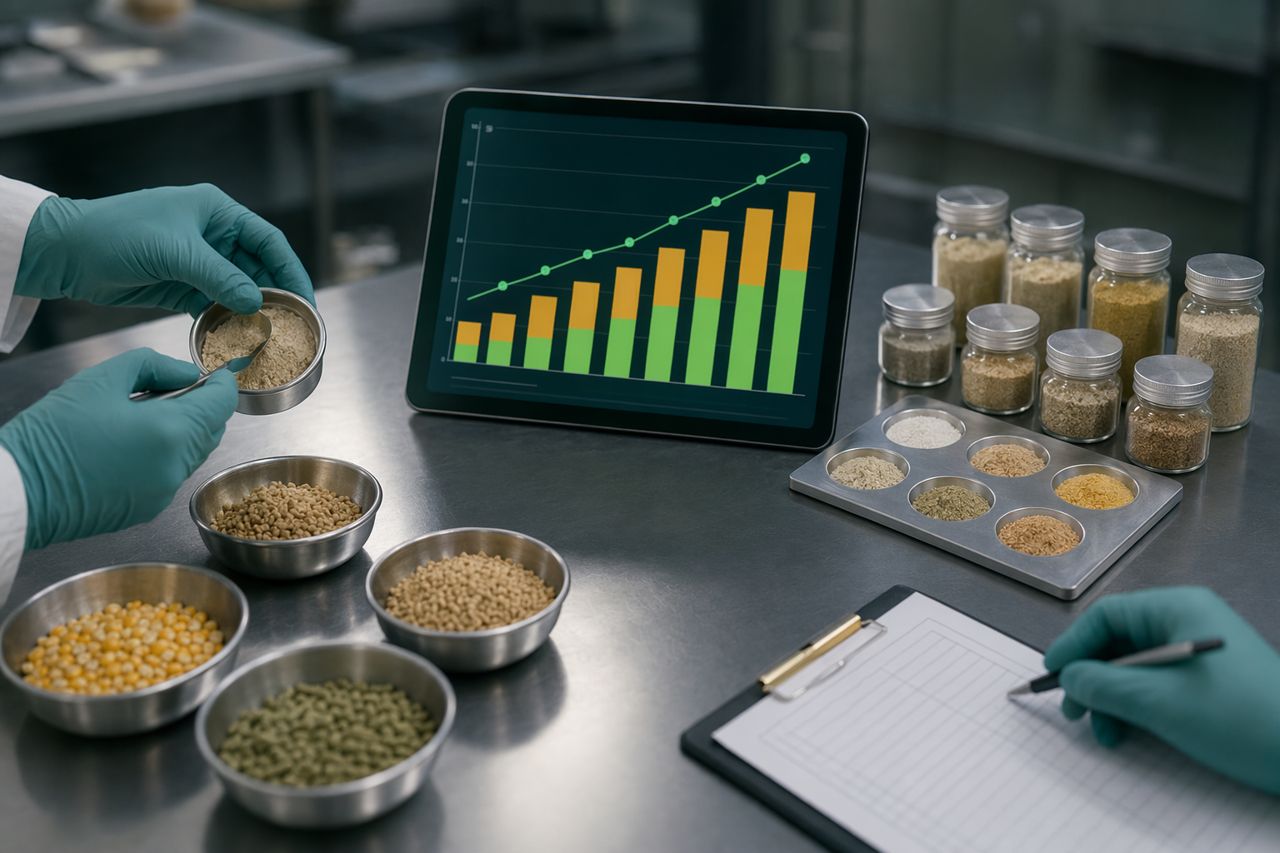
Not all phytase products behave the same in commercial feed systems. Procurement and technical teams should assess phytase against the realities of their own operation.
Technical fit
Consider whether the phytase is suitable for the target species, feed pH environment, ingredient base, and formulation philosophy. The enzyme should match the mineral matrix values used by your nutritionist.
Processing tolerance
Feed production may expose enzymes to heat, moisture, pressure, and storage stress. For pelleted feed, thermal robustness and post-processing retention are important decision points.
Consistency and documentation
Reliable phytase supply should come with clear product documentation, batch traceability, storage guidance, and formulation support. Commercial value depends on consistent release of nutrients, not just label claims.
Commercial value
The right question is not only “What does phytase cost?” but “What does it release?” A strong evaluation connects enzyme cost to reduced mineral supplementation, improved nutrient utilization, and lower phosphorus output.
Phytase and sustainability
Phytase supports sustainability by helping livestock and aquaculture producers extract more nutrition from the same plant-based feed materials.
Potential sustainability contributions include:
reduced reliance on mined phosphate sources
lower phosphorus discharge through manure
improved nutrient efficiency per tonne of feed
better use of existing grain and protein meal resources
For integrated producers, this can support both environmental compliance and feed cost control.
Inosira’s view
At Inosira, phytase is positioned as a precision nutrition input: practical, measurable, and directly connected to formulation economics. The enzyme’s value comes from its ability to make bound phosphorus usable and to help nutrition teams build more efficient feed programs.
If you are comparing phytase options, align the discussion around species, diet type, processing conditions, mineral matrix strategy, and commercial target. That is where phytase decisions become technically meaningful.
Request phytase pricing
Tell us what you are formulating and our team will respond with pricing and technical follow-up for your application.
Quick FAQ
Is phytase only a phosphorus enzyme?
Its primary function is phytate degradation and phosphorus release. However, reducing phytate can also influence mineral availability and nutrient utilization more broadly.
Does phytase replace inorganic phosphate completely?
Not always. The replacement level depends on diet composition, species, performance targets, safety margins, and the matrix values approved by the nutrition team.
Is phytase relevant for pelleted feed?
Yes, but product selection should consider heat exposure, retention through processing, and storage conditions.
Who typically specifies phytase?
Nutritionists and technical directors usually define the matrix and application strategy, while procurement teams evaluate supplier reliability, documentation, and commercial terms.