Field Notes
Phytase for Plant-Based Food Ingredients | Inosira
Technical guidance for using phytase in plant-based food ingredient development, including phytate reduction, mineral bioaccessibility, process fit, and commercial formulation value.
Technical guidance for using phytase in plant-based food ingredient development, including phytate reduction, mineral bioaccessibility, process fit, and commercial formulation value.
Plant proteins, cereals, pulses, and oilseed-derived ingredients can carry significant nutritional value while also carrying phytate. Phytate binds phosphorus, iron, zinc, calcium, magnesium, and other minerals, limiting their nutritional availability and complicating fortification strategies.
Phytase, properly named Phytase (myo-inositol hexakisphosphate phosphohydrolase), hydrolyzes phytic acid into lower inositol phosphates and released phosphate. In plant-based food ingredient development, that reaction can support improved mineral bioaccessibility, cleaner nutrition positioning, and more efficient use of plant raw materials.
This page is for food ingredient R&D teams, technical directors, nutrition leads, and procurement teams evaluating phytase as a process aid or functional ingredient-support tool in plant-based systems.
Plant-based ingredients are often selected for protein content, fiber, sustainability, and label relevance. But phytate can reduce the practical nutritional value of those same materials by binding minerals and forming complexes that are less available during digestion.
Phytase can help developers address this constraint before the ingredient reaches final formulation.
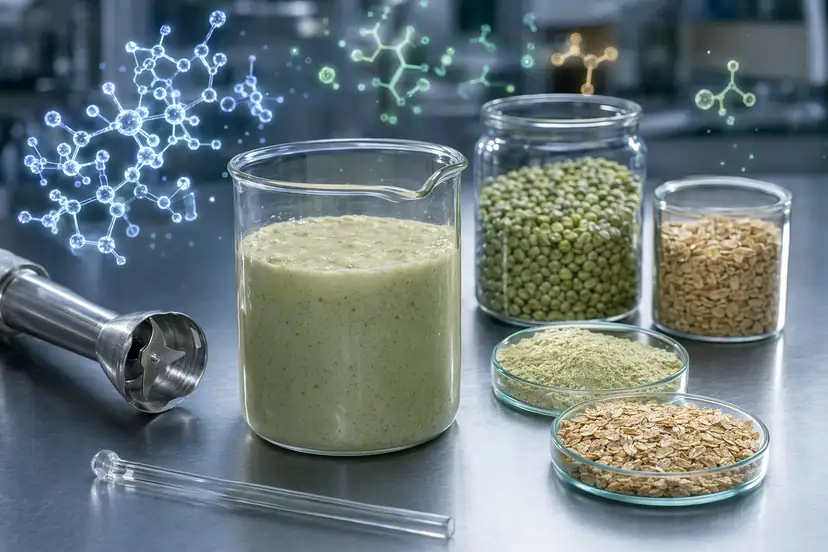
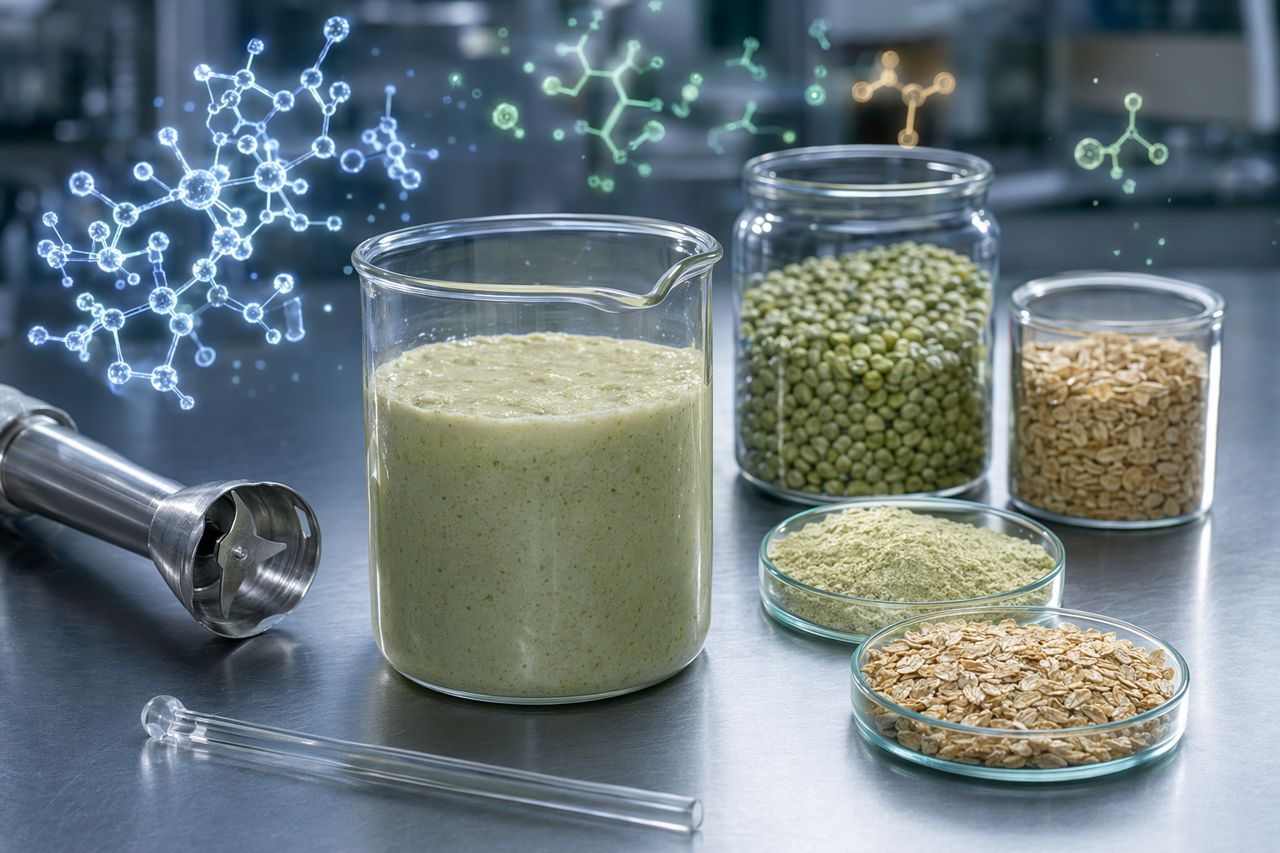
Phytase breaks down phytate during a controlled aqueous or semi-aqueous processing step. This is typically considered during hydration, slurry conditioning, fermentation support, enzymatic pretreatment, or ingredient preparation before drying, extrusion, blending, or final product assembly.
The objective is not simply to add an enzyme. The objective is to create a processing window where phytase has access to phytate under conditions that allow meaningful hydrolysis while fitting the commercial manufacturing flow.
For many ingredient teams, phytase is evaluated because bound minerals can influence more than nutrition claims. Phytate interactions may affect protein behavior, mineral fortification choices, and the performance of complex plant matrices.
A well-designed phytase step may help a team build a more coherent formulation strategy where mineral nutrition, protein positioning, processing flow, and cost-in-use are evaluated together.
| Development challenge | How phytase may help |
|---|---|
| High phytate in pulse or cereal fractions | Hydrolyzes phytate before final formulation |
| Mineral bioaccessibility limitations | Reduces mineral binding pressure in the matrix |
| Heavy fortification strategy | May support a more efficient mineral nutrition plan |
| Upcycled or variable plant side streams | Helps unlock nutrient value from complex raw materials |
| Sustainability positioning | Supports better nutrient utilization from plant inputs |
| Premium plant protein differentiation | Adds a technical basis for improved nutrition messaging |
Phytase performance depends on the ingredient matrix and the process. Teams should evaluate the enzyme under realistic manufacturing conditions rather than relying only on idealized lab screening.
A hydrated pulse, cereal, or oilseed slurry is conditioned with phytase before separation, concentration, drying, or blending. This route can provide good enzyme-substrate access and is often practical for ingredient producers working with wet processing.
Phytase can be evaluated alongside fermentation workflows where pH, hydration, and residence time already create a process environment suitable for biochemical modification. Compatibility with the culture system and finished sensory profile should be validated.
Plant-based beverage bases often involve hydrated grains, pulses, or nuts. Phytase may be assessed during base preparation to reduce phytate before heat treatment and stabilization.
For concentrates, isolates, and textured protein inputs, phytase may be used upstream to improve the nutritional value of raw material streams before final ingredient standardization.

A good phytase evaluation should connect analytical results to commercial decisions. The goal is to determine whether phytase improves the ingredient’s nutritional and formulation value under conditions that can scale.
When sourcing phytase for food ingredient work, procurement teams should evaluate more than price. Fit-to-process, documentation, consistency, and supply reliability all influence the real cost of use.
Phytase use in food applications should be reviewed according to the target product, country, process role, and labeling framework. In some cases, phytase may be evaluated as a processing aid; in others, product-specific review may be required. Teams should confirm requirements with qualified regulatory counsel and internal quality systems before launch.
Inosira can support technical discussions by providing product documentation and application context for review by your food safety, regulatory, and quality teams.
Plant-based food innovation is often linked to resource efficiency. Phytase can contribute to that discussion by improving the nutritional use of minerals already present in plant raw materials. When less nutrition remains locked in phytate complexes, formulators can make stronger use of crop-derived inputs.
For sustainability reporting, phytase should be positioned carefully: the strongest claims are tied to validated process data, mineral bioaccessibility work, and a clear comparison to the untreated ingredient system.
Phytase is worth evaluating when a plant-based ingredient has high phytate content and the process includes a realistic hydrated treatment stage. It is especially relevant when the finished product depends on credible mineral nutrition, high protein positioning, or efficient use of pulse, cereal, or oilseed inputs.
It may be less suitable where the process is too dry, too short, too thermally aggressive before enzyme action, or where phytate reduction does not affect the commercial value proposition.
If you are developing a plant protein, grain ingredient, beverage base, fermented plant system, or mineral-forward formulation, Inosira can help you evaluate whether phytase fits your process and commercial target.
Use the form below to request a quote, get pricing, or ask for technical discussion around samples and application fit.
Tell us your application and volume — we reply with pricing and lead time.