Field Notes
Phytase and Phytic Acid: Practical Guide for Feed Buyers
A technical buyer’s guide to phytic acid, phytate-bound phosphorus, and how phytase supports nutrient release, feed formulation value, and lower mineral excretion.
A technical buyer’s guide to phytic acid, phytate-bound phosphorus, and how phytase supports nutrient release, feed formulation value, and lower mineral excretion.
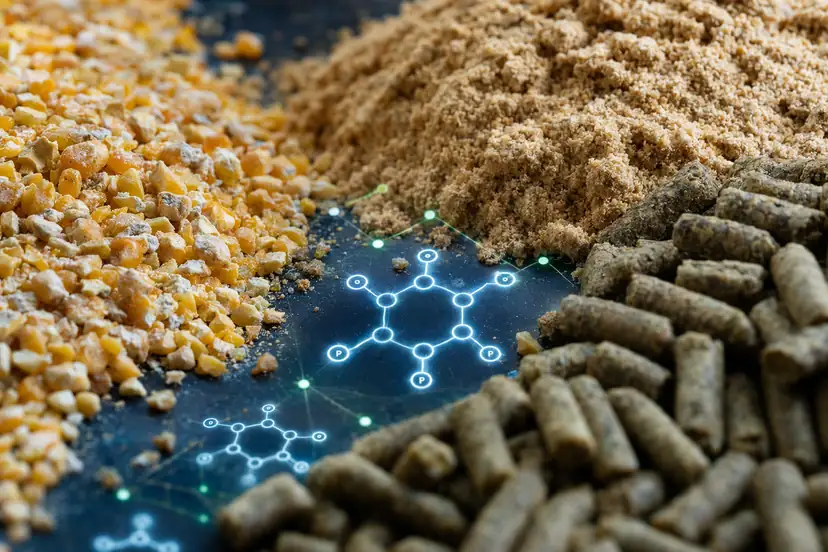
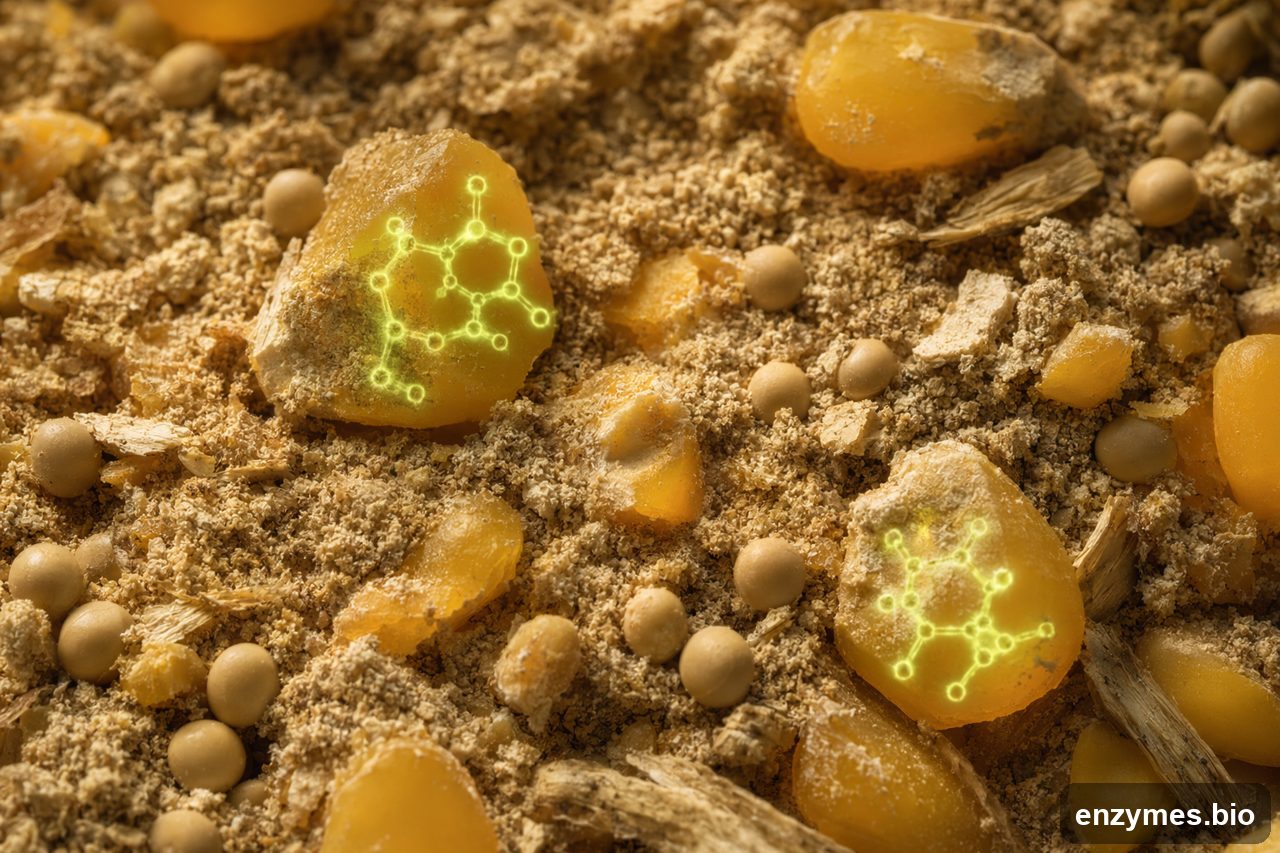
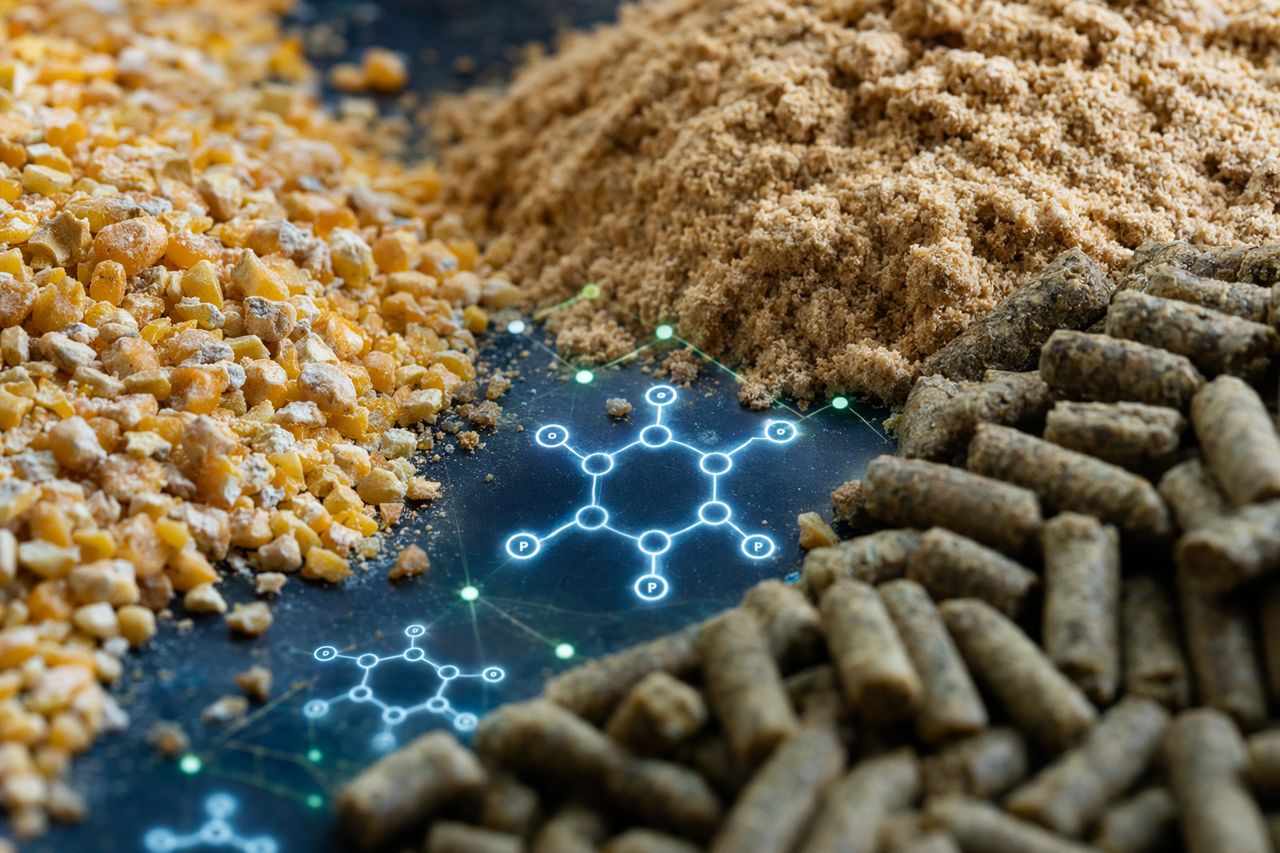
Phytic acid is one of the main reasons plant-based feed ingredients do not always deliver their full mineral and energy value. In corn, soybean meal, wheat, rice bran, rapeseed meal, and many other plant materials, phosphorus is stored largely as phytate — a salt form of phytic acid that monogastric animals digest poorly without enzymatic support.
For feed manufacturers, integrators, premix suppliers, and nutrition teams, this matters commercially. Phytate can lock up phosphorus and interact with calcium, trace minerals, amino acids, and digestive proteins. The result is a formulation gap: nutrients may be present on paper, but not fully available to the animal.
Wholesale and bulk supply for feed manufacturers, premix makers and distributors. Request a quote with the product, the quantity and the delivery country. Prices and lead times are quoted per order.
Phytase is used to close that gap.
Phytic acid is a plant phosphorus storage molecule. Its structure has multiple phosphate groups attached to an inositol ring, which gives it a high capacity to bind minerals.
In feed discussions, the terms are often used together:
In practical feed formulation, phytate is important because poultry, swine, and aquaculture species have limited natural capacity to break it down. Without phytase, a meaningful share of plant phosphorus can pass through the digestive tract unused.
Phytate is not simply “unavailable phosphorus.” Its negative charge allows it to form complexes with other nutrients and digestive components. The impact depends on ingredient mix, mineral balance, gastric pH, animal species, age, and processing conditions.
Common phytate-related issues include:
For buyers, the key point is not theoretical chemistry. It is how reliably an enzyme supplier helps convert phytate phosphorus into usable formulation value.
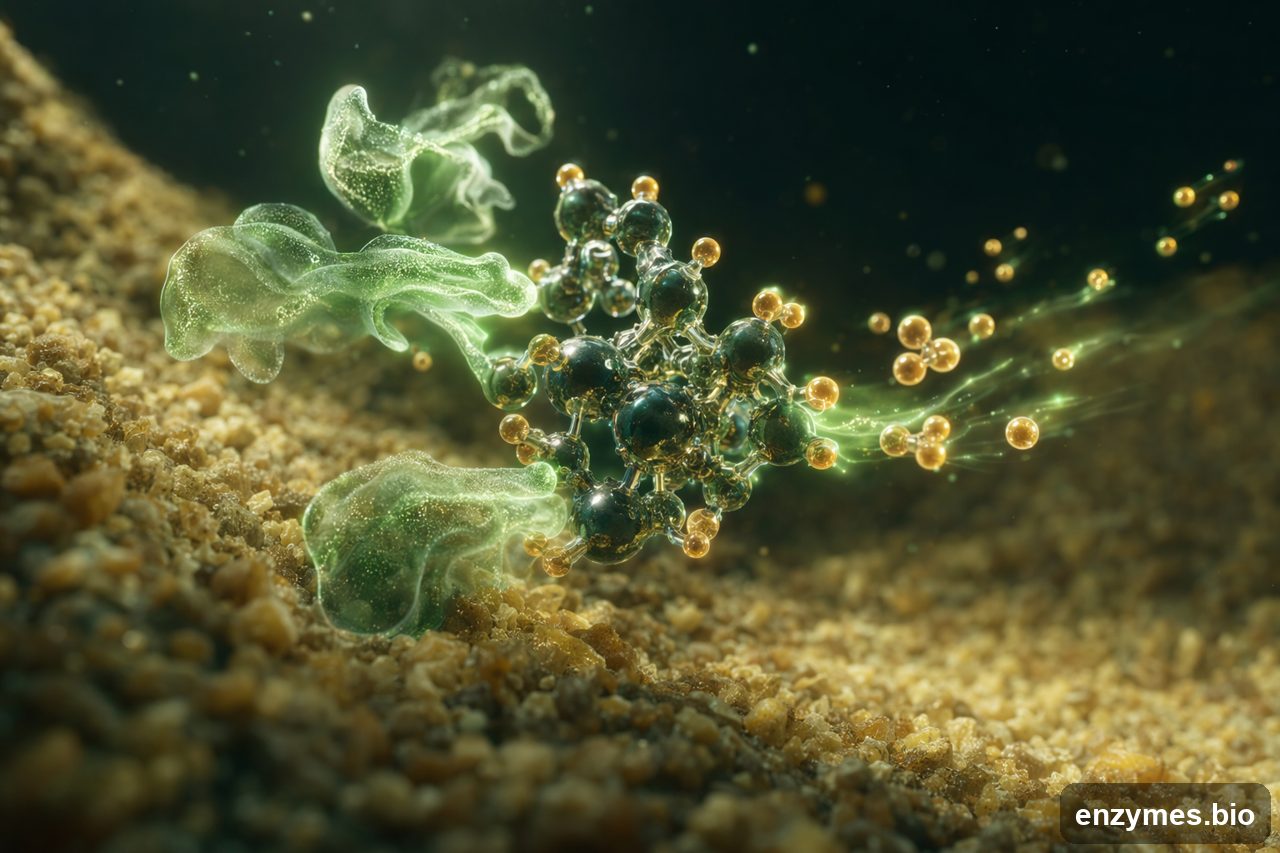
Phytase, properly named Phytase (myo-inositol hexakisphosphate phosphohydrolase), catalyzes the stepwise release of phosphate groups from phytate.
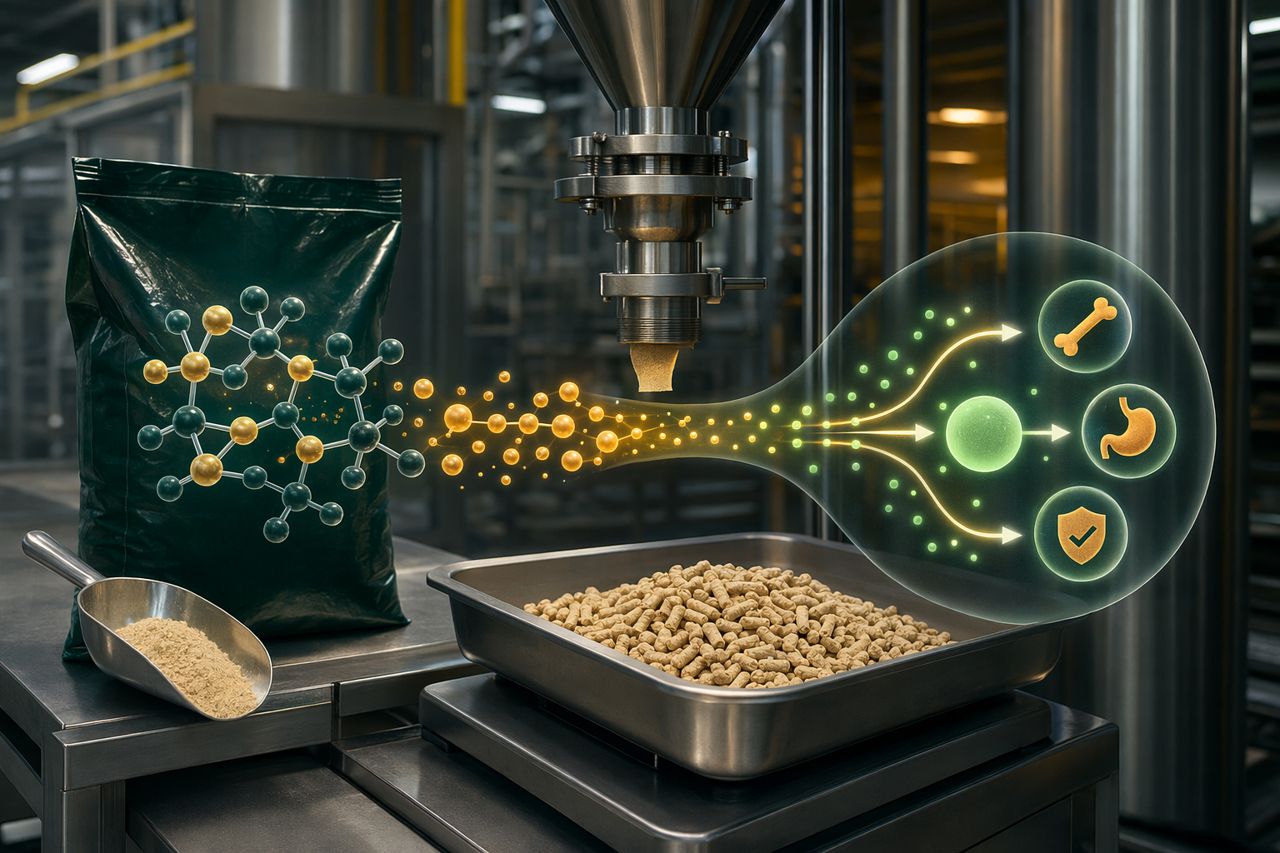
As phytate is hydrolyzed, phosphorus becomes more available for absorption. At the same time, the molecule’s mineral-binding strength is reduced, which can help improve overall nutrient access in the digestive tract.
A well-selected phytase program can support:
The value of phytase depends on how it is positioned in the diet. A buyer should evaluate it as part of a complete nutrition and procurement decision, not as a generic additive.
Important commercial questions include:
What feed ingredients are used?
Diets with higher phytate content generally create more opportunity for phytase value.
Which species and life stage are being fed?
Young animals, fast-growing animals, and species with limited endogenous phytase activity often require tighter control of digestible phosphorus and calcium.
How aggressive is the mineral matrix?
Phytase suppliers may provide nutrient contribution values. Nutritionists should apply these based on their raw material database, animal performance targets, and risk tolerance.
What processing conditions will the enzyme face?
Pelleting temperature, conditioning time, moisture, post-pellet application, and premix handling all affect enzyme choice.
How consistent is the supply?
Procurement teams should look beyond price per kilogram and review stability, documentation, packaging, lead times, and batch-to-batch consistency.
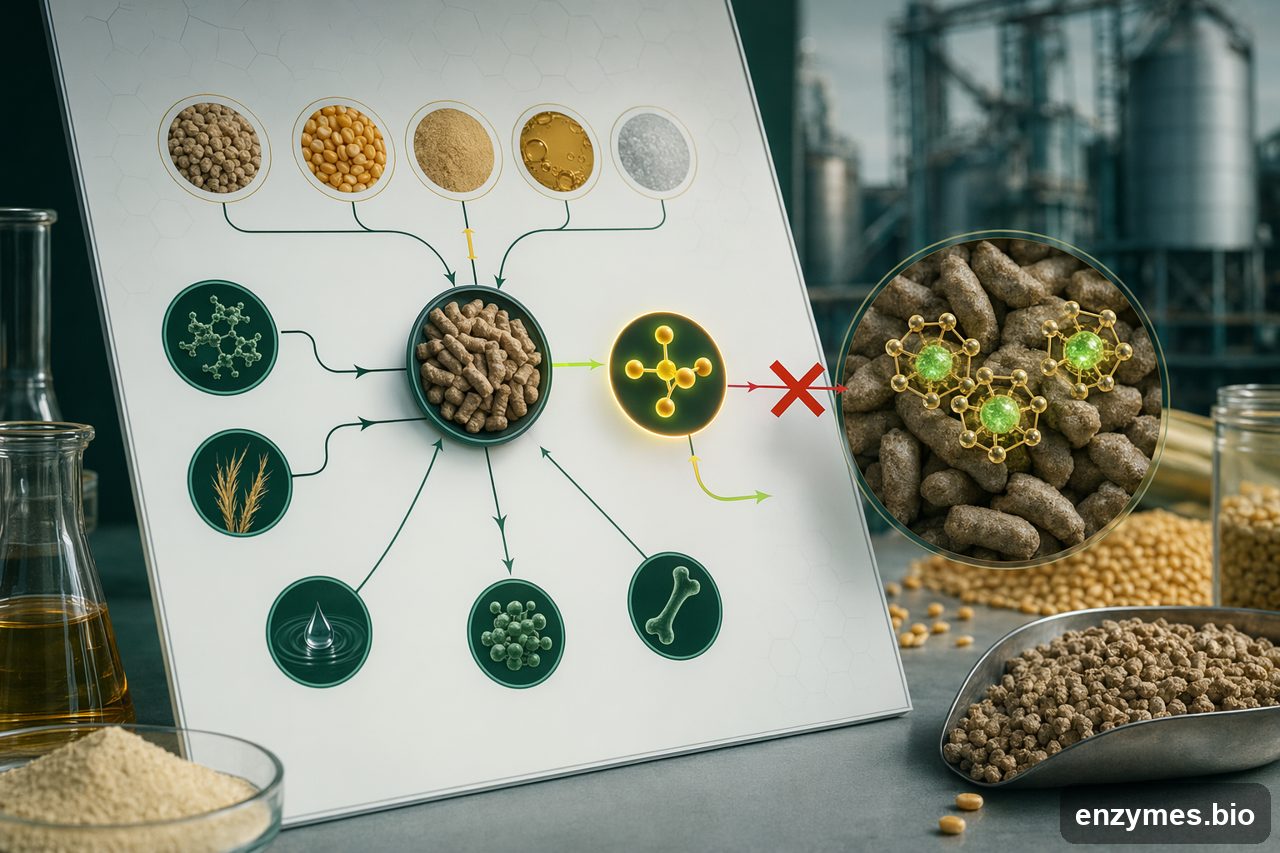
The primary value driver is releasing phosphorus from phytate. This can reduce the need for added inorganic phosphate while maintaining the animal’s available phosphorus supply.
The economic benefit depends on mineral prices, formulation constraints, local ingredient quality, and the nutritionist’s matrix approach.
Phytate interacts strongly with calcium. If calcium is excessive or poorly balanced against available phosphorus, it can reduce the effectiveness of the phytase strategy and affect performance outcomes.
A strong phytase program should be reviewed together with limestone source, particle size, calcium targets, and total mineral strategy.
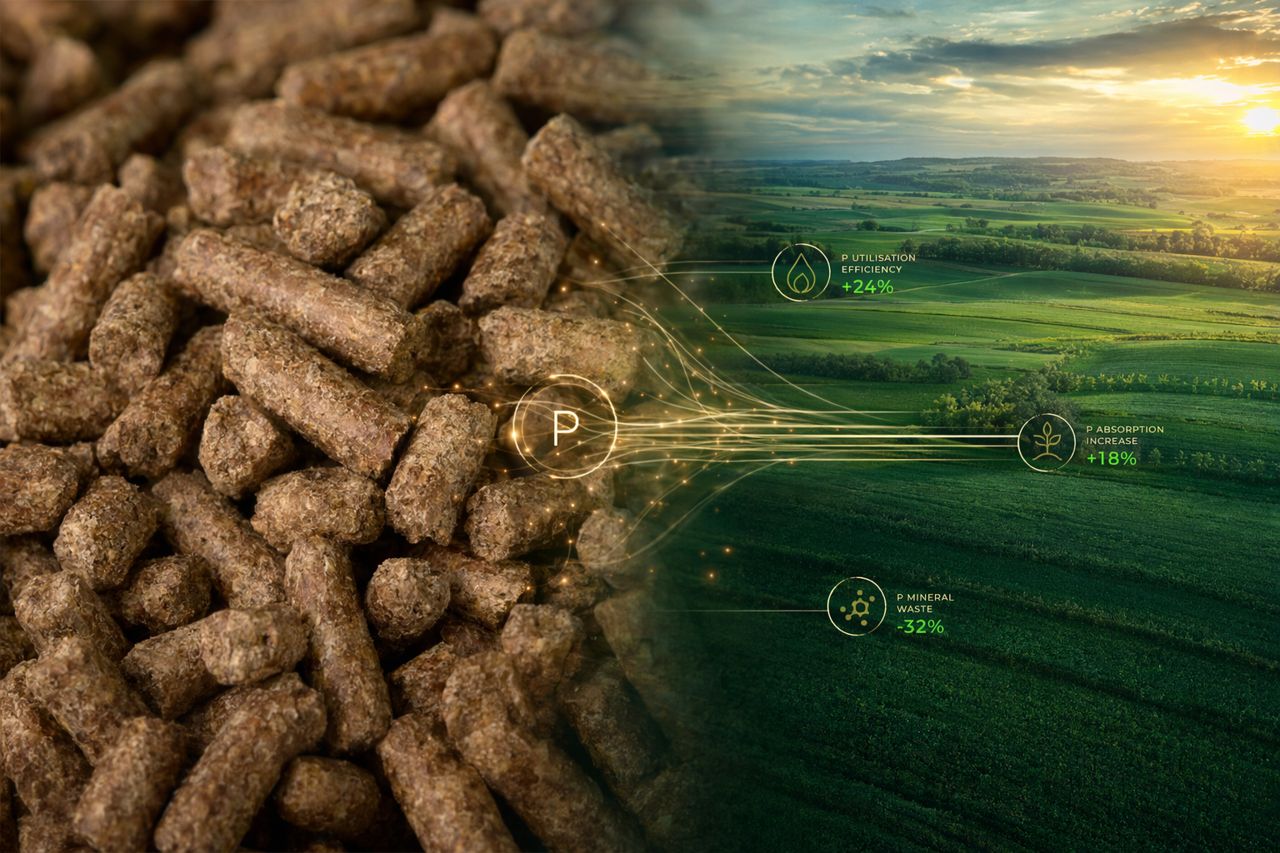
When animals use more phytate phosphorus, less phosphorus is lost in manure or discharge. This supports environmental compliance and can contribute to lower nutrient loading in production regions with manure management pressure.
Phytase may help formulators work with broader raw material baskets, including plant ingredients with meaningful phytate content. It does not erase raw material variability, but it can improve the usable nutrient picture when applied with proper formulation discipline.
Inorganic phosphates can be exposed to price swings, freight pressure, and regional supply constraints. Phytase gives nutrition and purchasing teams another lever to manage mineral cost without simply reducing safety margins.
A phytase purchase should be supported by technical and commercial documentation. Buyers should request information that is relevant to feed manufacturing and formulation decisions.
Different phytase products can vary in stability, digestive activity profile, coating technology, and formulation guidance. Price comparison only makes sense after technical equivalence is understood.
Phytase performance is closely tied to calcium and available phosphorus balance. Over-supplying calcium can reduce expected benefits and distort interpretation of field results.
Matrix values should reflect the diet, species, age, raw material assumptions, and production goals. Aggressive reformulation can create savings, but it should be phased with performance monitoring.
If feed is conditioned, pelleted, stored hot, or moved through challenging logistics, enzyme stability becomes a purchasing issue, not only a nutrition issue.
Inosira approaches phytase as a nutrient-release and formulation-value enzyme. The objective is straightforward: help buyers evaluate whether phytate-bound phosphorus is being converted into reliable value in their feed system.
That means aligning four areas:
The best phytase program is not necessarily the most aggressive on paper. It is the one that holds up in the feed mill, in the formulation software, and in animal performance review.
For phytase in poultry, swine, aquaculture or premix, send:
Prices, quantities and lead times are quoted per order. Request a quote.
Prefer a fast commercial response? Include your current phosphorus source, target species, and whether you need powder, granule, or liquid format.
Tell us your application and volume — we reply with pricing and lead time.
We have received your message. We will reply by email.