Field Notes
Phytase for Reducing Phosphorus Waste in Animal Feed | Inosira
Learn how phytase improves plant phosphorus availability, reduces inorganic phosphate demand, and supports lower phosphorus excretion in animal production.
Learn how phytase improves plant phosphorus availability, reduces inorganic phosphate demand, and supports lower phosphorus excretion in animal production.
Phosphorus is essential for skeletal development, energy metabolism, eggshell quality, growth performance, and feed efficiency. It is also one of the nutrients most closely watched by nutritionists, integrators, and regulators because excess phosphorus leaves the animal in manure and can contribute to environmental loading.
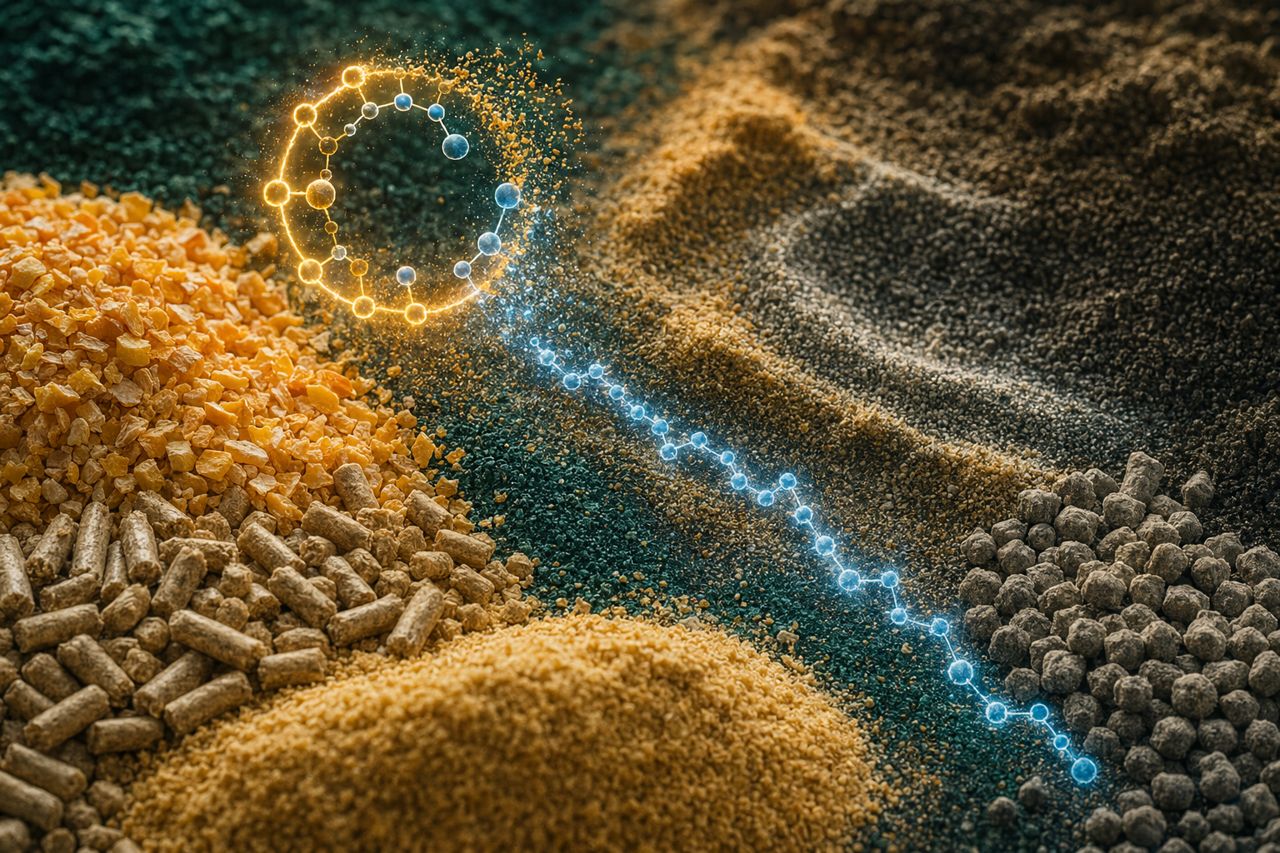
Inosira phytase is used in feed to improve the availability of phosphorus naturally present in plant ingredients. By releasing phosphorus bound in phytate, phytase helps reduce dependence on inorganic phosphate sources, supports more efficient mineral nutrition, and can lower phosphorus output from animal production systems.
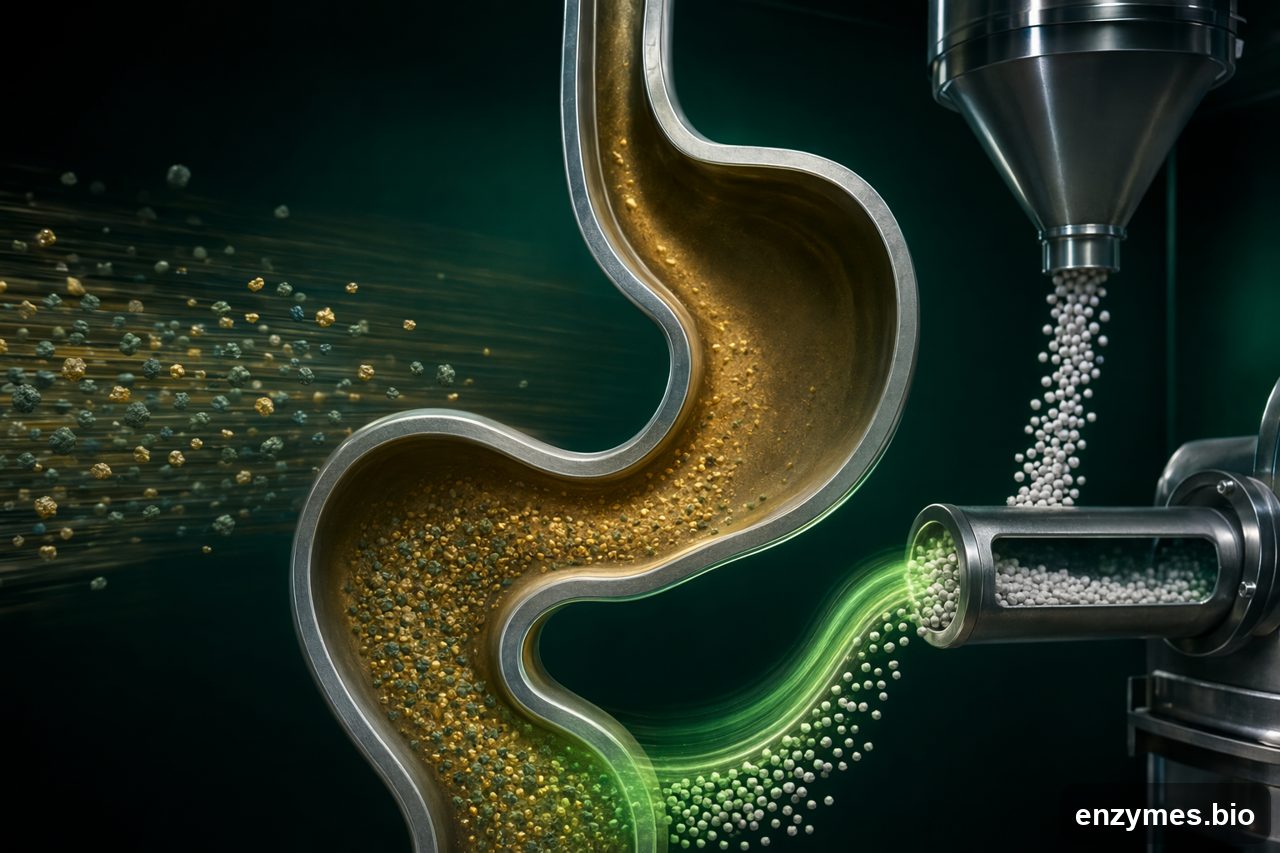
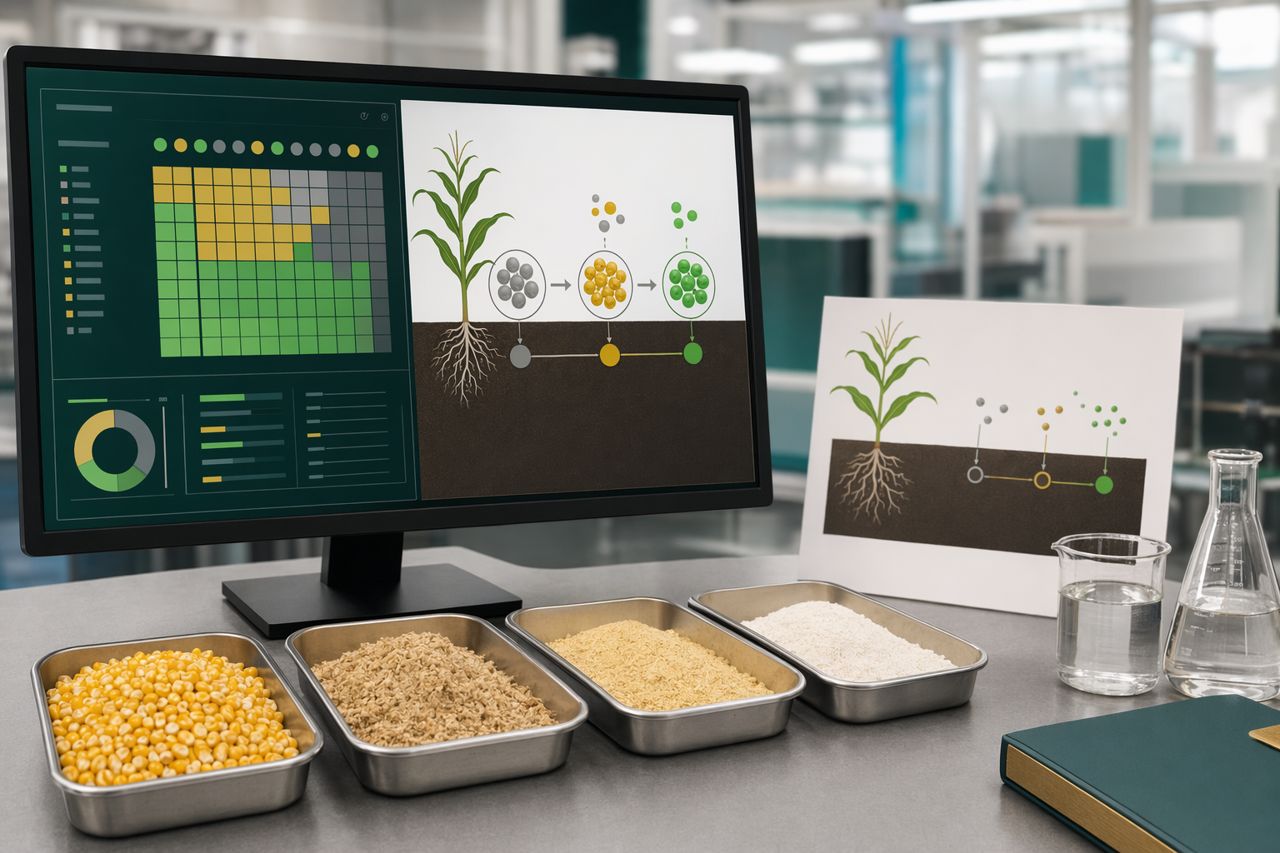
Corn, soybean meal, wheat, canola meal, rice bran, and many other plant ingredients contain a meaningful share of their phosphorus as phytate. Monogastric animals such as poultry and swine cannot efficiently access this bound phosphorus without enzymatic support.
When phytate phosphorus remains unavailable, feed formulators typically compensate with inorganic phosphate. The result is a practical but inefficient mineral system:
Phytase addresses the problem at the source: the phytate molecule in the diet.
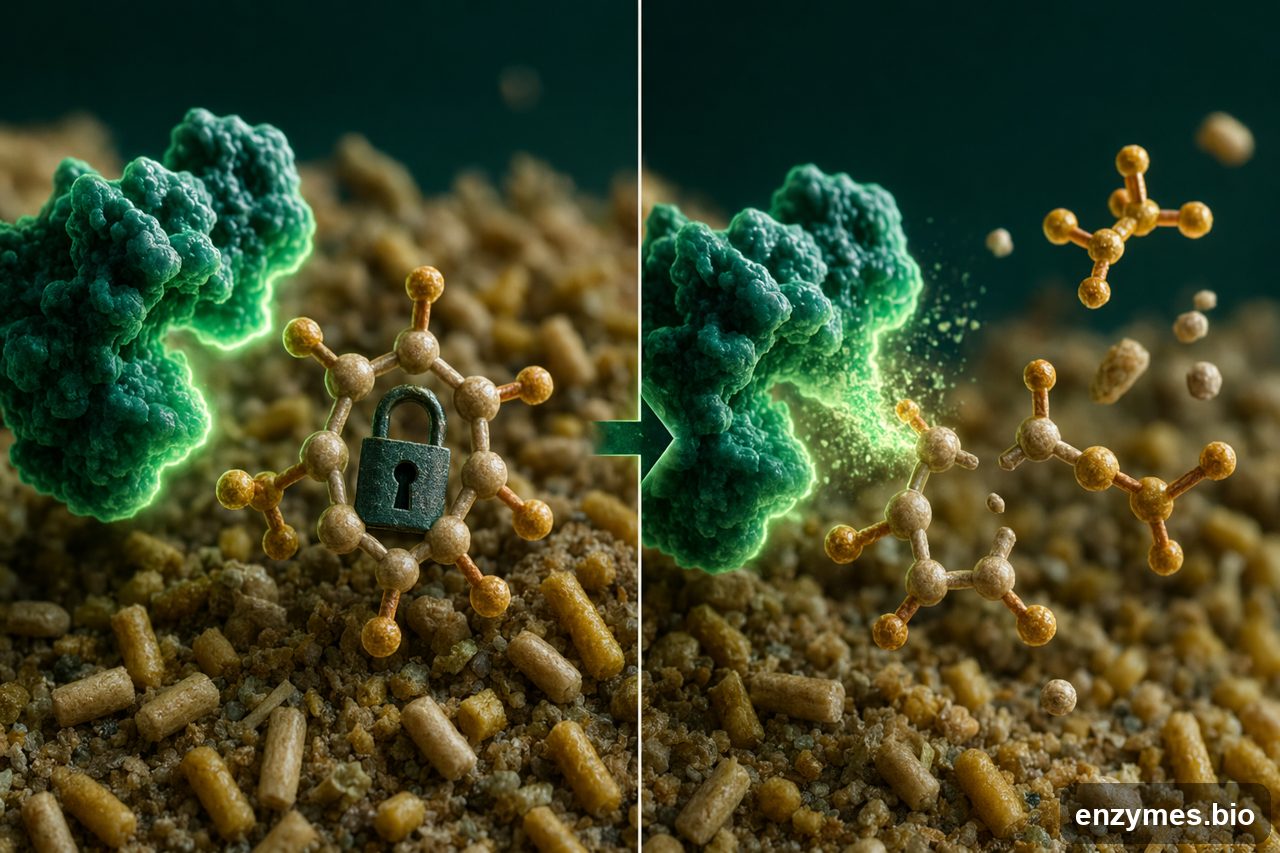
Phytase hydrolyzes phytate during digestion, progressively releasing phosphate groups that the animal can absorb and use. This makes more of the diet’s intrinsic phosphorus nutritionally available.
For feed businesses, the value is not simply enzyme addition. The value is controlled nutrient release that can be built into the formulation model.
Key formulation outcomes may include:
The magnitude depends on diet composition, species, production phase, calcium strategy, feed processing conditions, and the phytase matrix applied by the nutrition team.
Phytate does more than bind phosphorus. It can complex with calcium, trace minerals, and proteins, and it can influence digestive efficiency. In practical diet design, this means phytase can support a broader nutrient-efficiency strategy when used with the right mineral balance.
For technical directors and nutritionists, the important question is not whether phytase releases phosphorus. It is how consistently the release can be valued in the formulation system, validated in production, and translated into commercial and environmental performance.
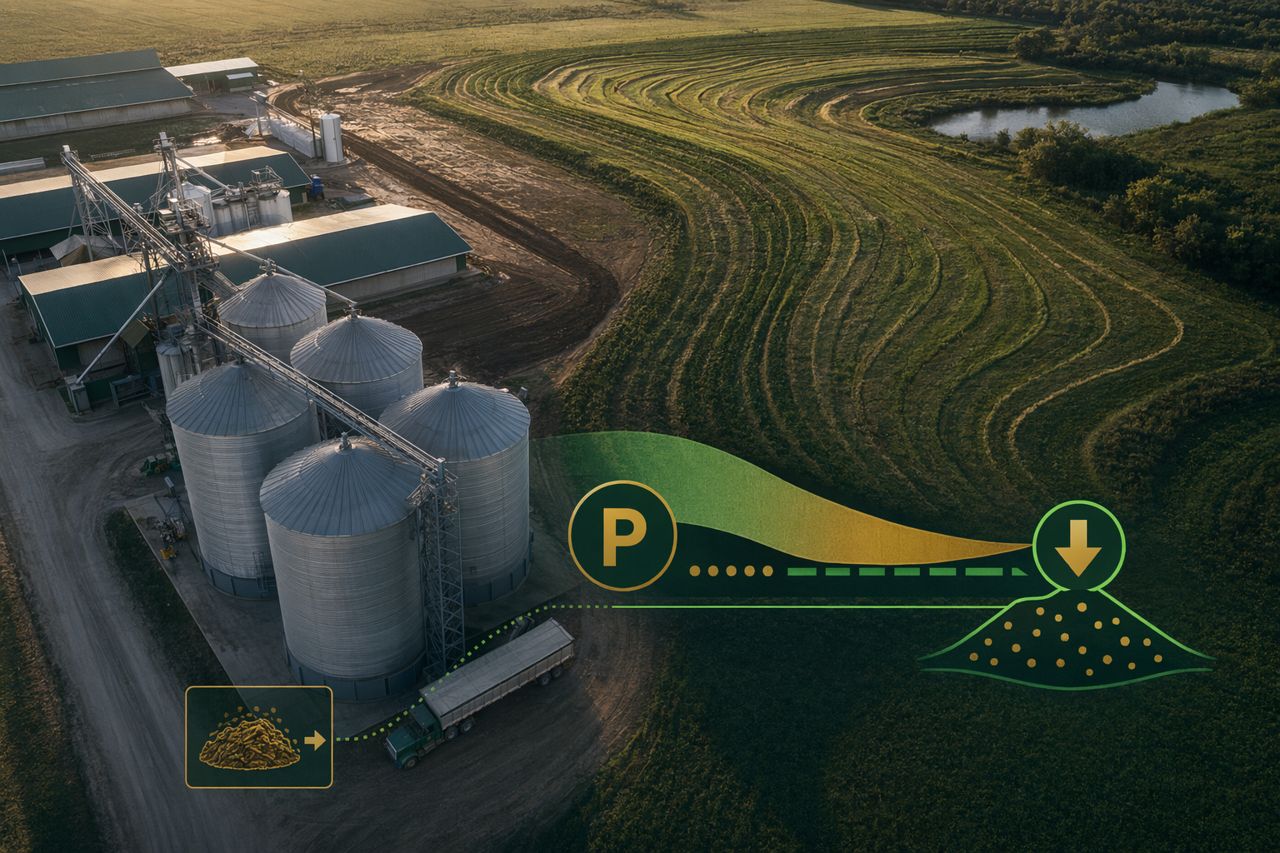
Phosphorus runoff and nutrient loading are long-term concerns for livestock and poultry regions. While manure management, land application, housing, and water systems all matter, feed formulation is one of the earliest control points.
Using phytase to improve phosphorus digestibility can help reduce the amount of undigested phosphorus entering manure. This can support:
Phytase is not a substitute for responsible manure management. It is a feed-level tool that helps reduce excess before it reaches the waste stream.
Phytase is commonly considered for poultry, swine, aquaculture, and other formulated-feed applications where plant-based ingredients contribute phytate-bound phosphorus.
Typical commercial use cases include:
Phytase can help release plant phosphorus across starter, grower, finisher, and layer diets. The formulation focus is usually phosphorus availability, calcium balance, bone integrity, performance consistency, and litter nutrient load.
In nursery, grower, finisher, and sow diets, phytase is used to improve phosphorus utilization from cereal grains and oilseed meals. It can also support phosphate reduction strategies where mineral cost and manure phosphorus are key concerns.
Plant-protein inclusion in aquafeeds can increase phytate contribution. Phytase may help improve phosphorus availability and reduce phosphorus discharge concerns, depending on species, feed technology, and processing design.
A phytase program should be built into the nutrition model, not added as an afterthought. Before reducing inorganic phosphate, technical teams should evaluate:
Phosphorus reduction is most successful when procurement, nutrition, QA, and production teams work from the same assumptions.
Phytase can create value in two connected ways: reducing mineral input cost and reducing nutrient waste. For procurement teams, that can mean less exposure to inorganic phosphate price swings. For nutritionists, it means more formulation flexibility. For sustainability leads, it provides a practical feed-based lever that can be documented within broader nutrient-management programs.
The strongest phytase strategies are not generic. They are diet-specific, species-specific, and commercially reviewed against raw material prices, phosphate costs, production targets, and environmental requirements.
When evaluating a phytase supplier, ask for information that supports real formulation decisions, not only a product description.
A practical B2B review should include:
Inosira approaches phytase as a nutrient-efficiency tool for commercial feed systems. The objective is precise: help feed teams unlock plant phosphorus, reduce avoidable mineral addition, and support lower phosphorus waste without compromising animal performance targets.
Our team can review your diet type, species focus, ingredient base, processing route, and purchasing requirements to recommend a phytase supply plan aligned with your formulation objectives.
Use the form below to request a quote, discuss phosphorus reduction targets, or ask for product documentation. Your inquiry goes directly to the Inosira team.
Tell us your application and volume — we reply with pricing and lead time.