Field Notes
Phytase and Mineral Availability in Animal Feed
A technical guide to how phytase improves phosphorus and mineral availability in feed formulation, supporting nutrient efficiency, cost control, and reduced phosphorus excretion.
A technical guide to how phytase improves phosphorus and mineral availability in feed formulation, supporting nutrient efficiency, cost control, and reduced phosphorus excretion.
Phytase is used in animal nutrition to release phosphorus and reduce the anti-nutritional effect of phytate in plant-based feed ingredients. For nutritionists and feed formulators, the commercial question is not simply whether phytase works. It is how reliably it improves mineral availability under real feed manufacturing and digestive conditions.
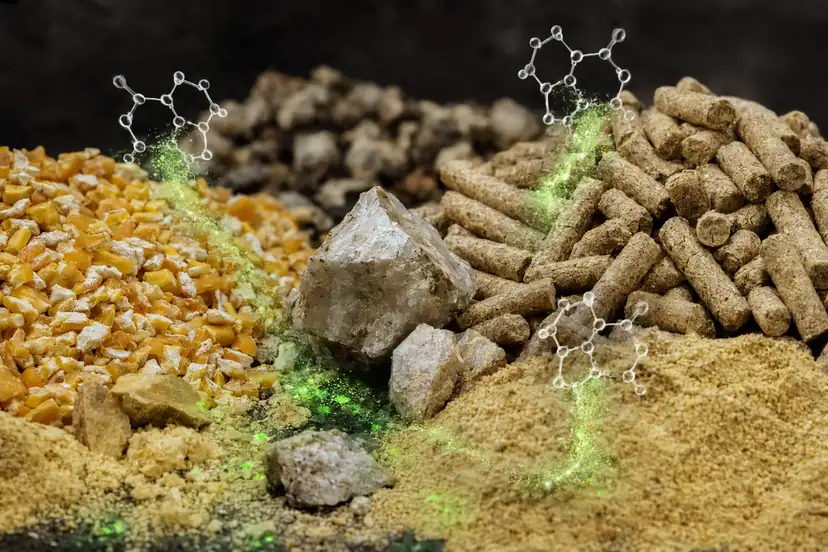
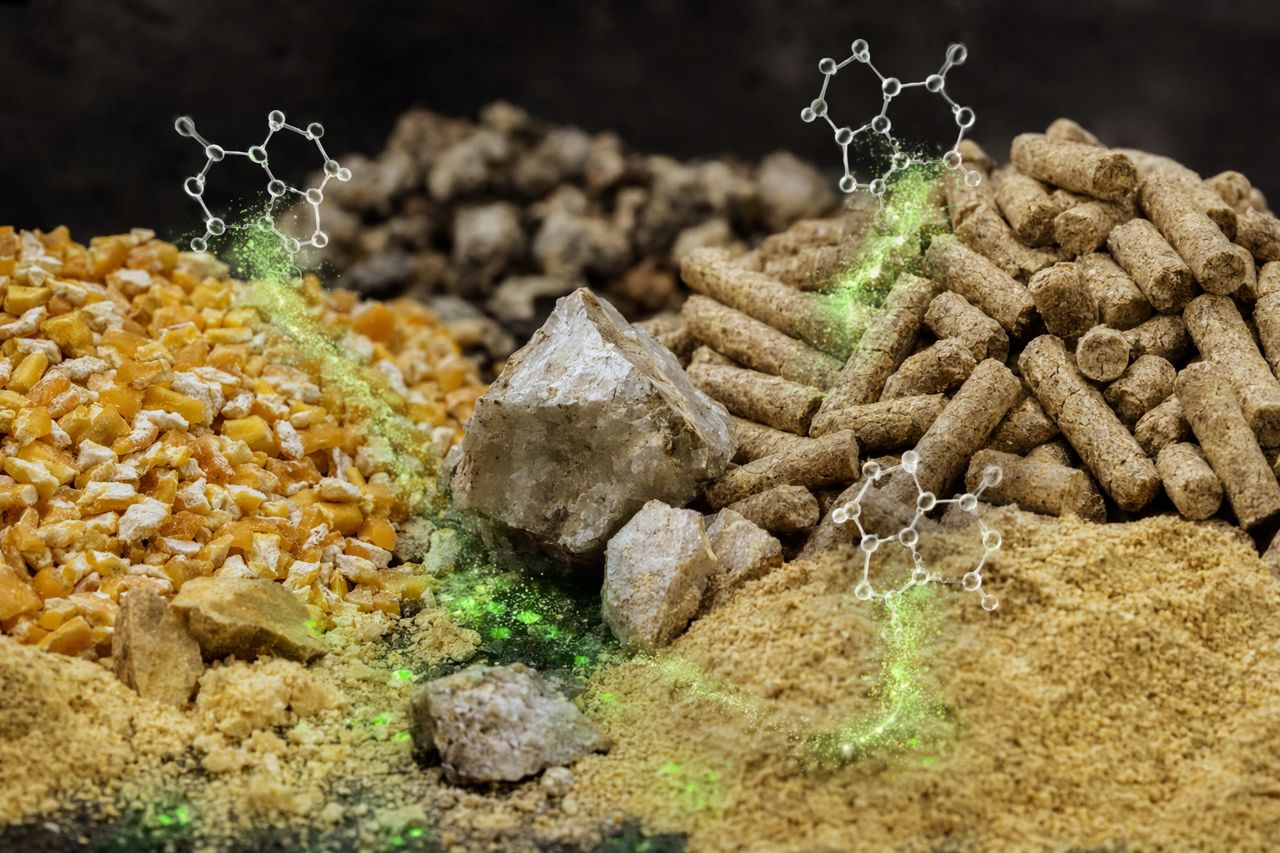
Plant ingredients such as corn, wheat, soybean meal, canola meal, rice bran, and many by-products contain a significant share of their phosphorus as phytate. Monogastric animals have limited native capacity to break phytate down efficiently, so a portion of phosphorus can pass through the gut unused. At the same time, phytate can bind calcium, zinc, iron, magnesium, and other nutrients, reducing their availability and complicating mineral balance.
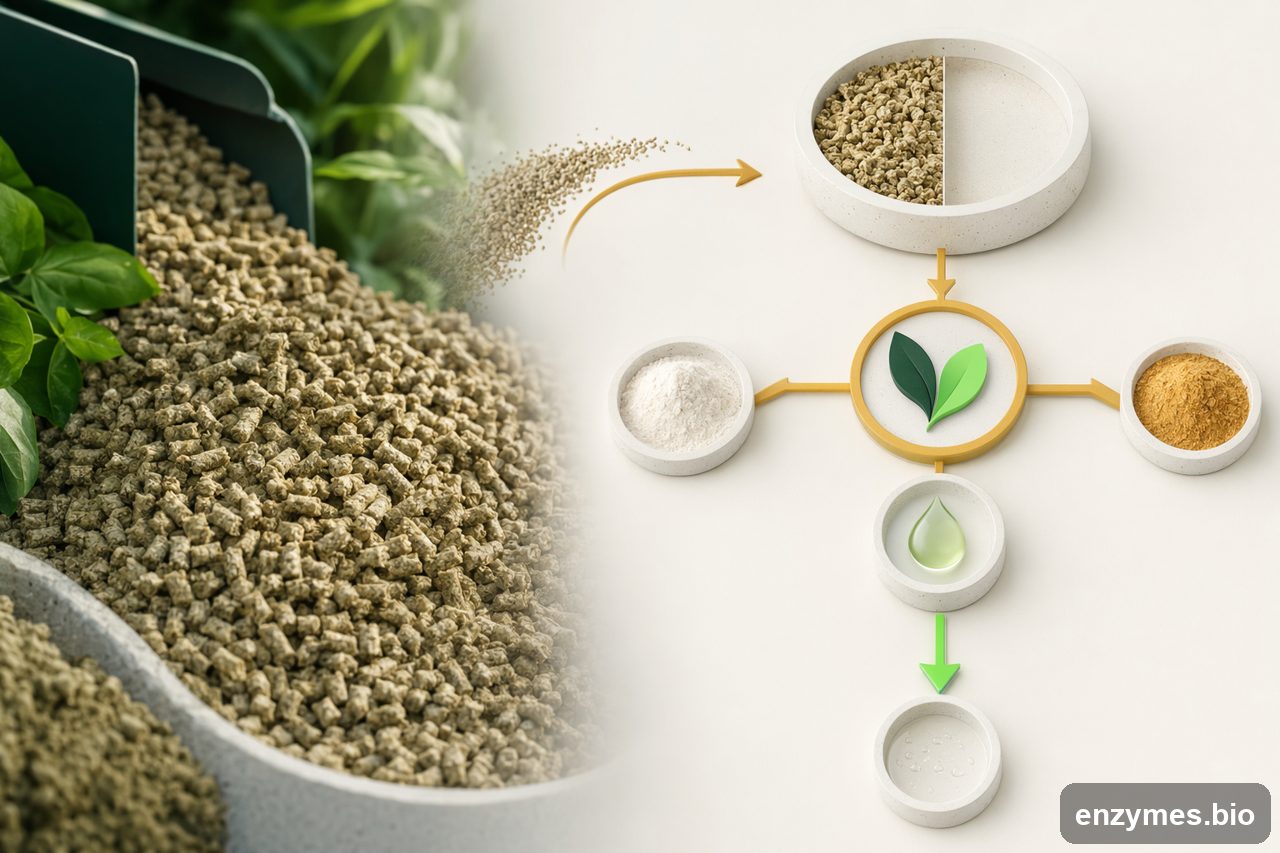
A well-selected phytase program helps convert locked phytate phosphorus into nutritionally available phosphate while reducing phytate’s mineral-binding effect. The result is a more efficient mineral strategy, lower reliance on inorganic phosphate sources, and reduced phosphorus output in manure.
Phytase, properly known as Phytase (myo-inositol hexakisphosphate phosphohydrolase), hydrolyzes phytate by removing phosphate groups from the phytate molecule. In practical feed terms, that means it helps make phosphorus and associated minerals more available during digestion.
The value is most visible in diets with high plant ingredient inclusion, where phytate-bound phosphorus can be a limiting factor. Phytase is therefore widely considered in poultry, swine, aquaculture, and selected ruminant applications where mineral release, feed cost, and environmental loading are important.
Mineral availability affects feed cost, animal performance, skeletal development, litter or manure quality, and regulatory compliance. Phosphorus is one of the most commercially sensitive minerals in feed formulation because inorganic phosphate sources can represent a meaningful cost line and may be exposed to supply volatility.
Phytase allows formulators to credit a portion of phosphorus release from plant ingredients. That can reduce the need for supplemental phosphate while maintaining target available phosphorus levels. The financial impact depends on raw material composition, species, age phase, diet type, ingredient pricing, and the matrix values used by the nutrition team.
A conservative phytase program may focus on nutrient security and reduced phosphate inclusion. A more advanced program may credit additional mineral and nutrient effects after validation. In both cases, the decision should be built around documented performance, feed process compatibility, and formulation discipline.
Phytate is not only a phosphorus storage molecule. It also has strong binding behavior. In the digestive tract, phytate can interact with calcium and trace minerals, making them less available. This matters because excess dietary calcium can also reduce phytase response if the diet is not balanced carefully.
For this reason, phytase is best evaluated as part of the complete mineral system, not as a stand-alone additive. The calcium source, limestone particle profile, total calcium level, available phosphorus target, vitamin D strategy, and trace mineral program all influence the final response.
Not every phytase behaves the same in a feed mill or in the animal. Procurement teams and technical directors should evaluate phytase on practical performance criteria, not only headline claims.
A phytase must perform in the digestive environment where phytate hydrolysis can occur. For monogastric species, early activity in acidic gastric conditions is often important because phytate-mineral complexes can form before the digesta reaches later intestinal segments.
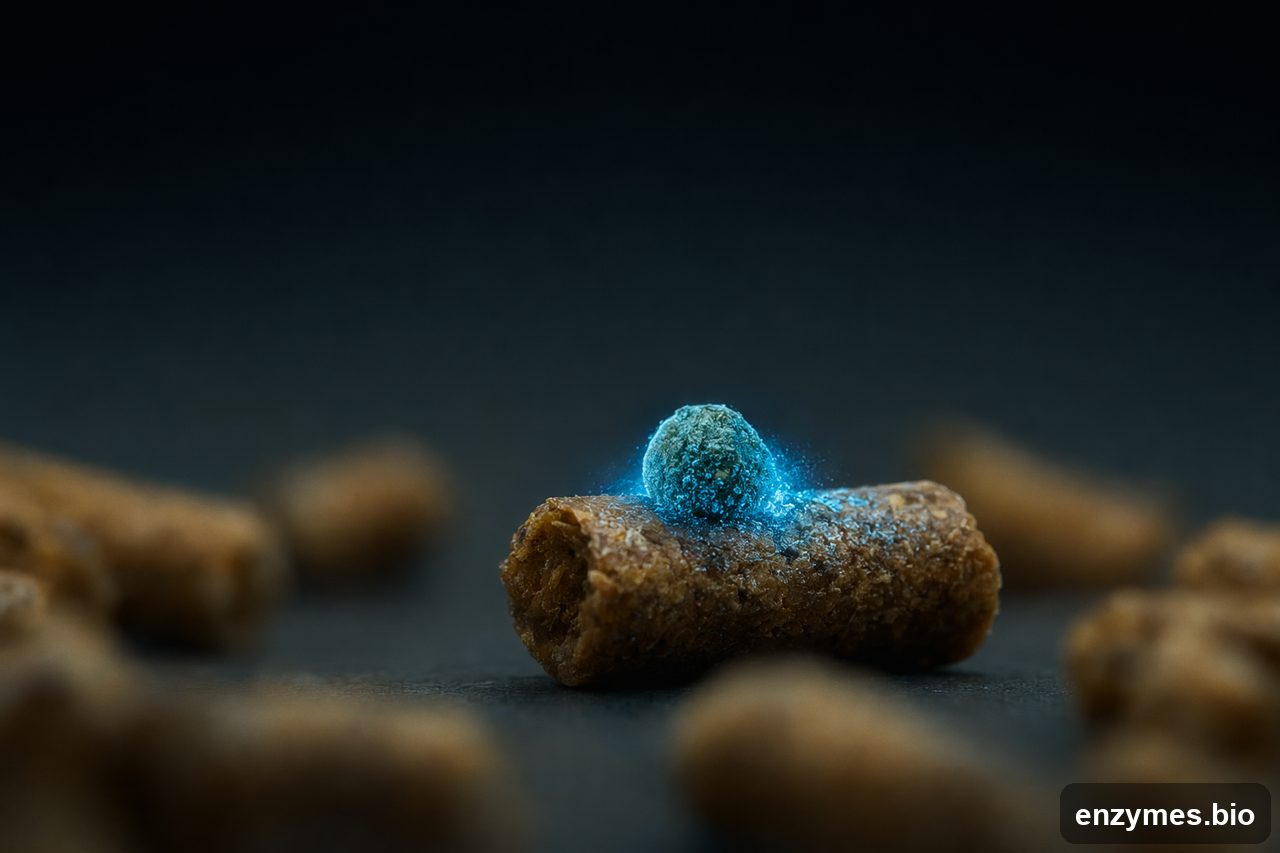
Pelleting, conditioning, storage, and premix handling can affect enzyme integrity. A phytase intended for pelleted feed should be selected with heat tolerance, coating approach, handling profile, and post-processing consistency in mind.
Phytase must fit the user’s mineral matrix, premix process, feed type, and quality control procedures. It should integrate cleanly into formulation software assumptions and purchasing specifications.
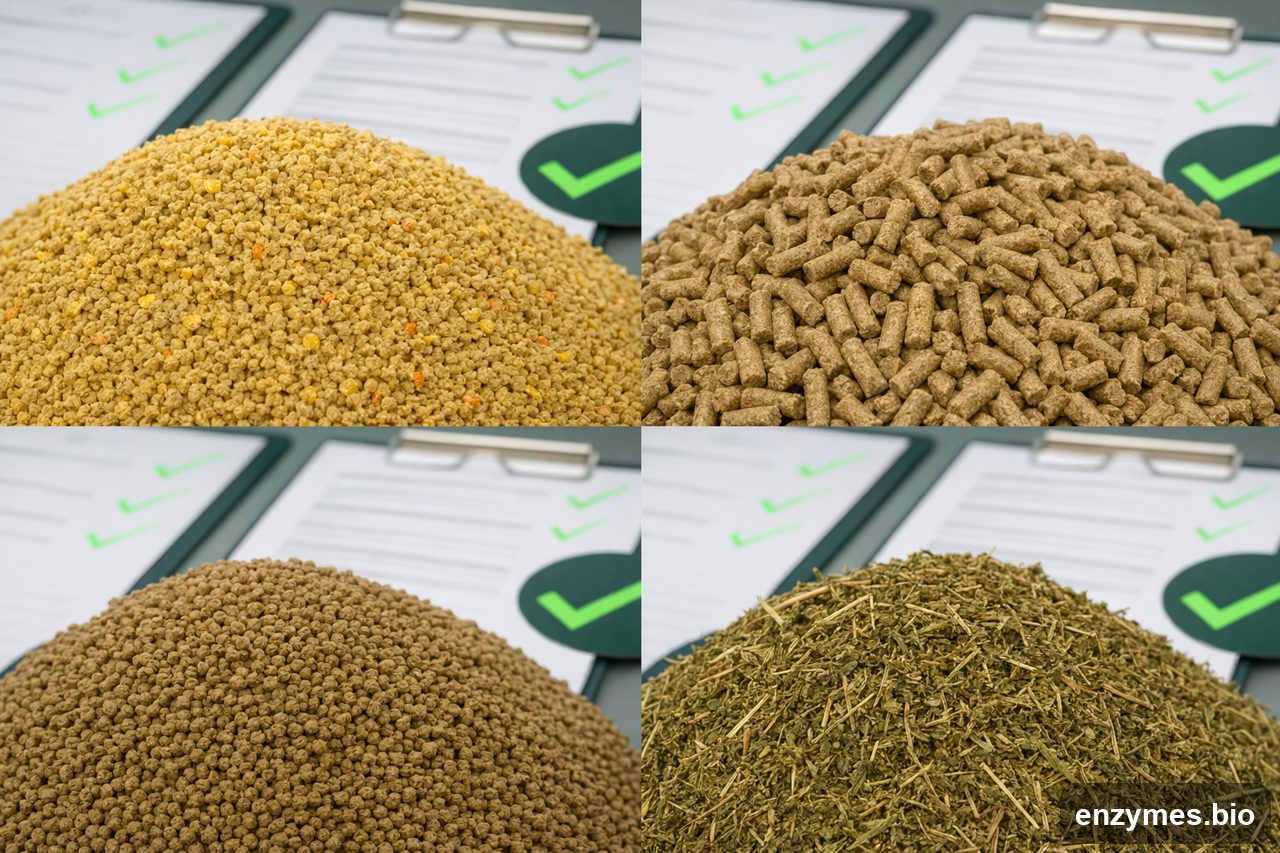
For B2B purchasing, documentation matters. Buyers should request specification sheets, safety documentation, origin and manufacturing information, stability guidance, storage conditions, and application support relevant to their feed system.
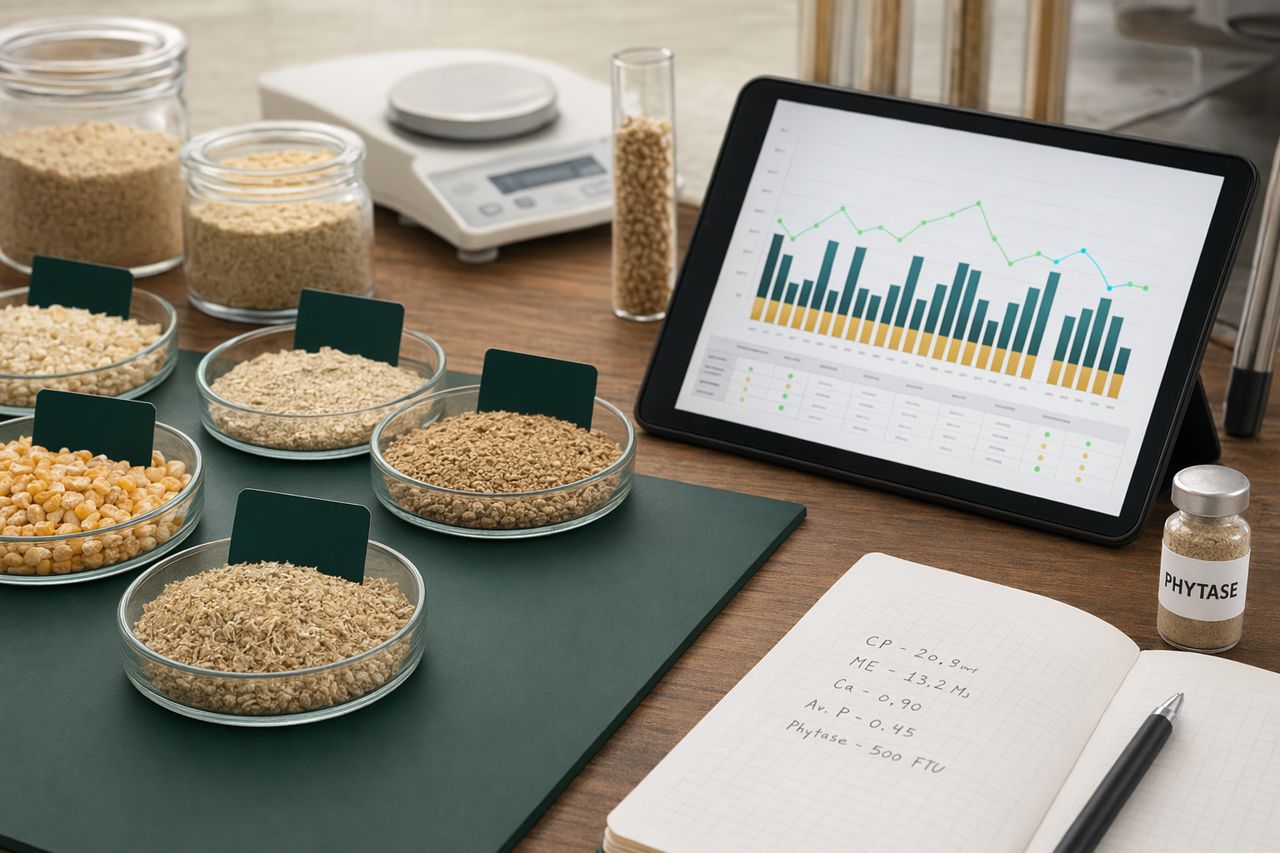
A phytase matrix is the nutrient credit assigned to the enzyme in formulation. The most common credit is available phosphorus release, but some programs also consider calcium and trace mineral effects depending on validation and risk tolerance.
Matrix values should be chosen carefully. Over-crediting can create mineral deficiency risk, while under-crediting may leave cost savings unrealized. The right approach depends on species, phase, diet composition, production objectives, and the confidence level supported by data.
Phytase is commonly used in broiler, layer, and turkey diets to improve phosphorus availability and support bone mineralization while reducing phosphate cost. Calcium balance is especially important in poultry diets because it can influence both phytase response and skeletal outcomes.
In nursery, grower, finisher, and sow diets, phytase helps release plant-bound phosphorus and supports more efficient mineral formulation. Diet phase, ingredient quality, and calcium management are central to predictable response.
Plant protein inclusion in aquafeed can increase phytate contribution. Phytase may help improve mineral use in selected aquaculture diets, particularly where plant meals replace marine ingredients. Application depends strongly on feed processing and species requirements.
Ruminants have microbial fermentation that can contribute to phytate breakdown, but phytase may still be evaluated in specific systems where mineral efficiency, young animal nutrition, or ration structure creates a commercial case.
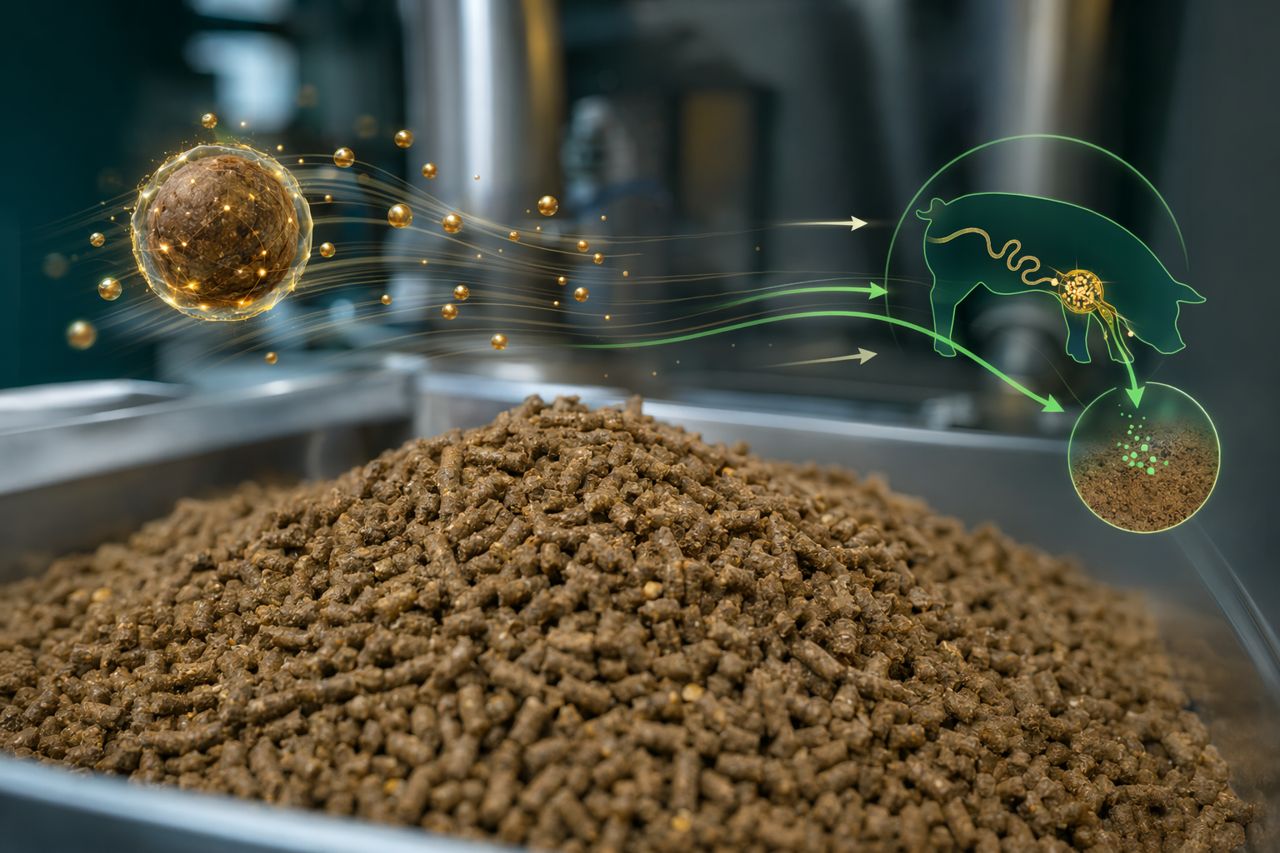
Phosphorus excretion is a practical environmental issue for livestock and aquaculture production. When phytase improves phosphorus utilization, less undigested phosphorus is released into manure or effluent. This supports nutrient management plans and can help producers reduce the environmental footprint per tonne of feed or per unit of output.
Sustainability value is strongest when the phytase program is linked to correct formulation practice. Adding phytase without adjusting mineral inputs may improve nutrient release, but it does not fully capture the environmental or economic benefit. The most effective programs combine enzyme inclusion with responsible phosphate reduction and verified mineral balance.
Before approving a phytase source, technical and procurement teams should align on the following questions:
Inosira approaches phytase as a commercial nutrition tool: technical enough for formulation teams, practical enough for procurement, and structured enough for feed manufacturers managing cost and compliance.
We support buyers evaluating phytase for mineral availability, phosphate replacement strategy, processing compatibility, and documentation requirements. The goal is to help teams make a confident sourcing decision without overstating benefits or ignoring formulation risk.
If you are reviewing phytase options for feed formulation, send your application details and target species. Our team will respond with pricing, availability, and documentation relevant to your use case.
Tell us your application and volume — we reply with pricing and lead time.
We have received your message. We will reply by email.