Phytase Compatibility with Other Feed Enzymes | Multi-Enzyme Feed Formulation
Practical guidance for combining phytase with xylanase, protease, amylase, beta-glucanase, mannanase, and other feed enzymes in commercial animal nutrition programs.
Phytase is often the first enzyme considered in cost-optimized poultry, swine, aquaculture, and specialty feed programs because its value is tied directly to phosphorus release, mineral availability, and reduction of anti-nutritional phytate effects. In modern formulations, however, phytase is rarely used alone.
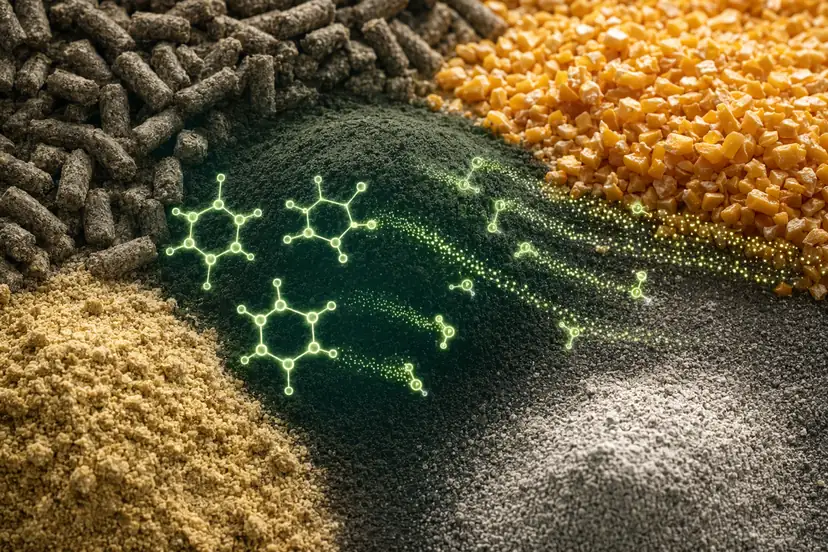
Feed mills and nutrition teams increasingly combine phytase with carbohydrases, proteases, amylases, and fiber-targeting enzymes to unlock more complete nutrient value from corn, wheat, barley, soybean meal, rapeseed meal, sunflower meal, DDGS, rice bran, and other variable raw materials.
Compatibility matters because a multi-enzyme program is not just a list of ingredients. It is a coordinated system shaped by substrate availability, gut conditions, pelleting exposure, premix handling, mineral strategy, and the commercial objectives of the diet.
The short answer
Phytase is generally compatible with major feed enzyme categories when products are selected and applied correctly. The main compatibility risks are not usually chemical conflict between enzymes. They are practical formulation and processing factors:
Heat exposure during conditioning and pelleting
Moisture and storage conditions in premixes
Mineral and organic acid interactions in concentrated blends
Overlapping or poorly valued matrix assumptions
Species-specific gut pH and digesta transit time
Substrate mismatch between enzyme choice and feed ingredient profile
Inconsistent mixing, dosing, or post-pellet application control
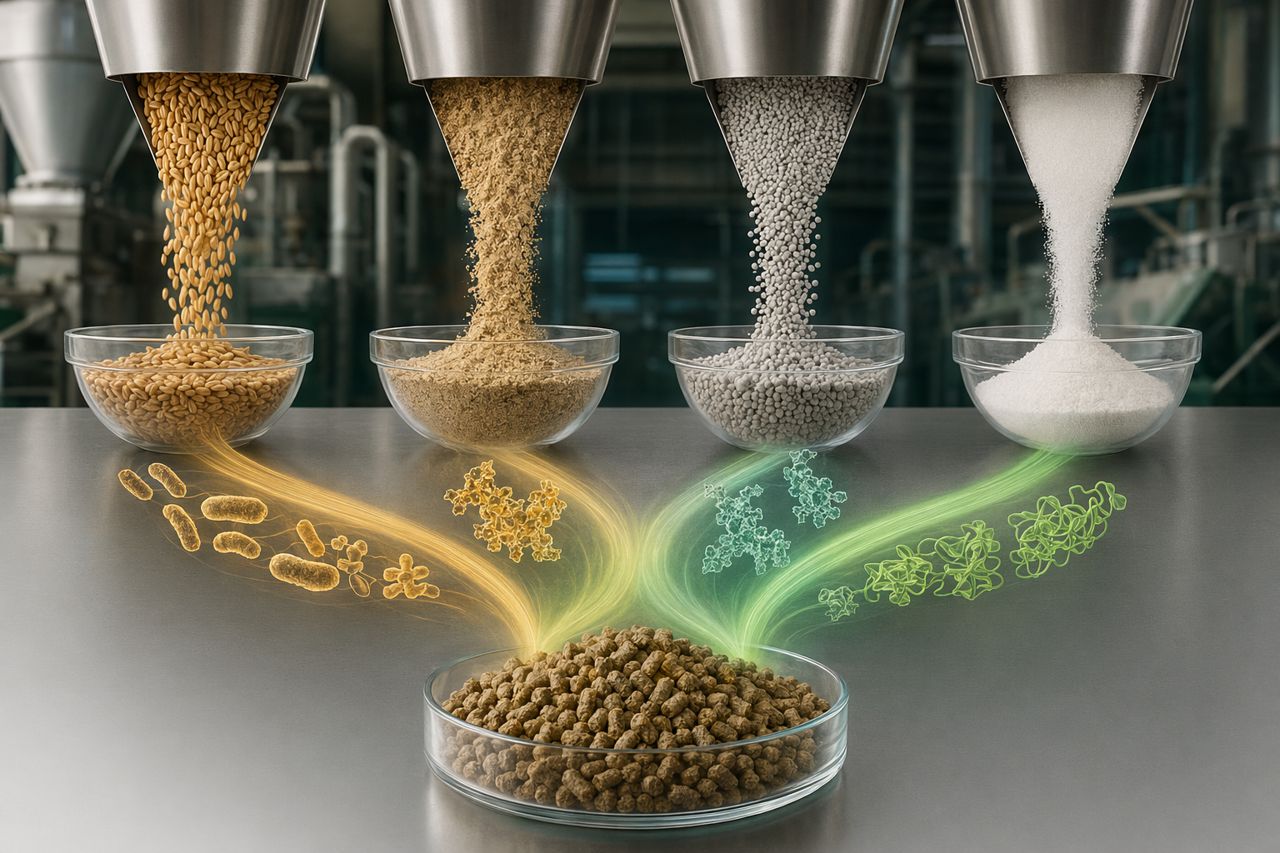
A well-built enzyme program treats phytase as the mineral-release anchor, then layers other enzymes around fiber, starch, protein, and viscosity targets.
How phytase fits into a multi-enzyme strategy
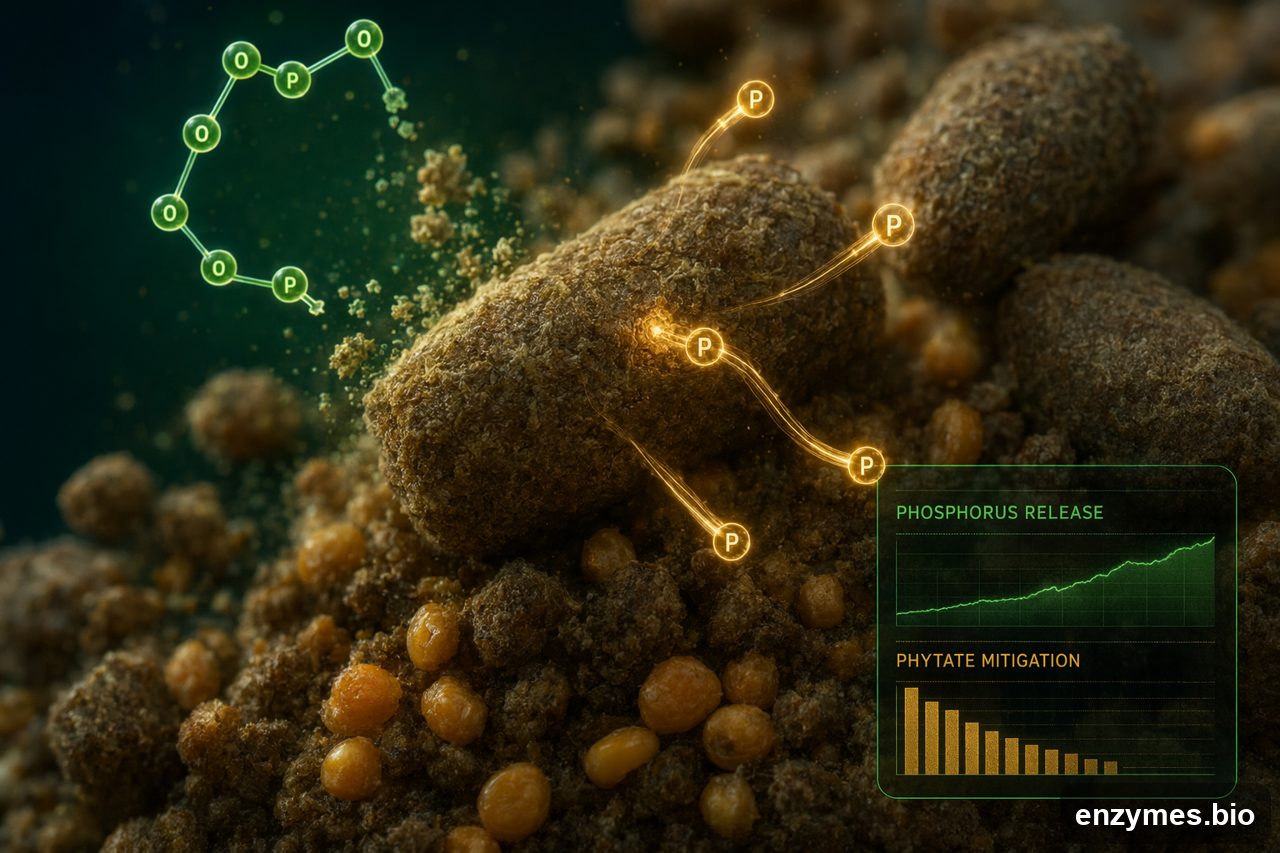
Phytase hydrolyzes phytate, the storage form of phosphorus found in plant ingredients. In practical feed formulation, this can support:
Release of plant-bound phosphorus
Improved availability of calcium, zinc, iron, and other minerals associated with phytate complexes
Reduced dependence on inorganic phosphorus sources
Lower phosphorus output in manure or effluent
Reduced anti-nutritional pressure from phytate in the digestive tract
More precise mineral and amino acid matrix decisions when supported by validation data
Other enzymes usually target different bottlenecks. Carbohydrases reduce the effect of non-starch polysaccharides. Proteases support protein and amino acid utilization. Amylases support starch digestion. When these actions are coordinated, they can produce a broader formulation benefit than any single enzyme can deliver alone.
Compatibility by enzyme class
Enzyme class
Main formulation role
Compatibility with phytase
Practical formulation note
Xylanase
Arabinoxylan breakdown, viscosity control, energy release
Strong fit
Commonly paired with phytase in wheat, corn, and mixed-grain diets
Beta-glucanase
Beta-glucan breakdown in barley, oats, and related grains
Strong fit
Useful where soluble fiber affects viscosity and nutrient diffusion
Mannanase
Mannan breakdown in soybean meal and palm-derived ingredients
Strong fit
Can complement phytase in soybean-based diets with variable fiber pressure
Cellulase and hemicellulase blends
Fiber matrix disruption
Conditional fit
Best matched to ingredient profile and fiber fraction, not used as a generic add-on
Protease
Protein and amino acid utilization
Strong fit
Matrix assumptions must be conservative and validated in the target species
Amylase
Starch digestion support
Strong fit
Most relevant in young animals, fast-growing animals, or variable cereal quality
Lipase
Fat digestion support
Conditional fit
More specialized; compatibility depends on diet type, processing, and commercial objective
Phytase with xylanase
Phytase plus xylanase is one of the most widely used enzyme combinations in monogastric feed. The two enzymes address different barriers:
Phytase targets phytate-bound phosphorus and mineral complexes.
Xylanase targets arabinoxylans that can increase digesta viscosity and limit nutrient diffusion.
This pairing is especially relevant in diets containing wheat, rye, triticale, corn, corn by-products, and mixed cereal streams. Xylanase may improve access to nutrients held within cell wall structures, while phytase reduces the mineral-binding effect of phytate.
Buyer-useful checks
Before approving a phytase-xylanase package, confirm:
The xylanase is suited to the dominant grain source.
The phytase matrix does not over-credit phosphorus or calcium release.
The combined program has feed mill stability data for the intended process.
The supplier can support reformulation economics, not just inclusion advice.
Phytase with beta-glucanase
Beta-glucanase is most relevant in barley, oats, and other beta-glucan-rich diets. Its role is to reduce the impact of soluble fiber on viscosity and nutrient movement.
Phytase compatibility is typically favorable because the enzymes act on different substrates. The commercial value depends on whether beta-glucans are a real limiting factor in the diet. In corn-soy diets with low beta-glucan pressure, beta-glucanase may add little value unless included as part of a broader NSP enzyme complex.
Phytase with mannanase
Mannanase targets beta-mannans commonly associated with soybean meal, guar meal, copra meal, palm kernel meal, and related ingredients. In soybean-heavy poultry or swine formulas, mannanase can help reduce the nutritional drag associated with mannan-rich fractions.
Phytase and mannanase are compatible because they work on separate anti-nutritional factors. The key is to avoid assuming universal returns. Mannanase value should be tied to ingredient composition, soybean meal quality, and the presence of mannan-containing co-products.
Phytase with protease
Protease can complement phytase in diets where protein digestibility, amino acid cost, or ingredient variability is a major concern. Phytate can bind proteins and interfere with digestive enzymes; phytase helps reduce this anti-nutritional effect, while protease acts more directly on protein breakdown.
This combination can be valuable, but matrix discipline is essential. If phytase receives a phosphorus, calcium, amino acid, and energy matrix, and protease also receives amino acid and energy credits, the nutritionist must prevent double counting.
Practical rule
Do not stack matrix values mechanically. Build the combined matrix around validated diet response, ingredient risk, animal class, and margin of safety.
Phytase with amylase
Amylase supports starch digestion and may be useful where cereal quality, animal age, or processing conditions limit starch availability. It is generally compatible with phytase because the substrate targets are distinct.
In young animals, high-performance broiler diets, and formulas with variable corn or wheat quality, phytase-amylase combinations may support more stable nutrient release. The economic case depends on energy valuation, starch digestibility assumptions, and whether the feed process already improves starch accessibility.
What can reduce compatibility in practice?
1. Pelleting and conditioning exposure
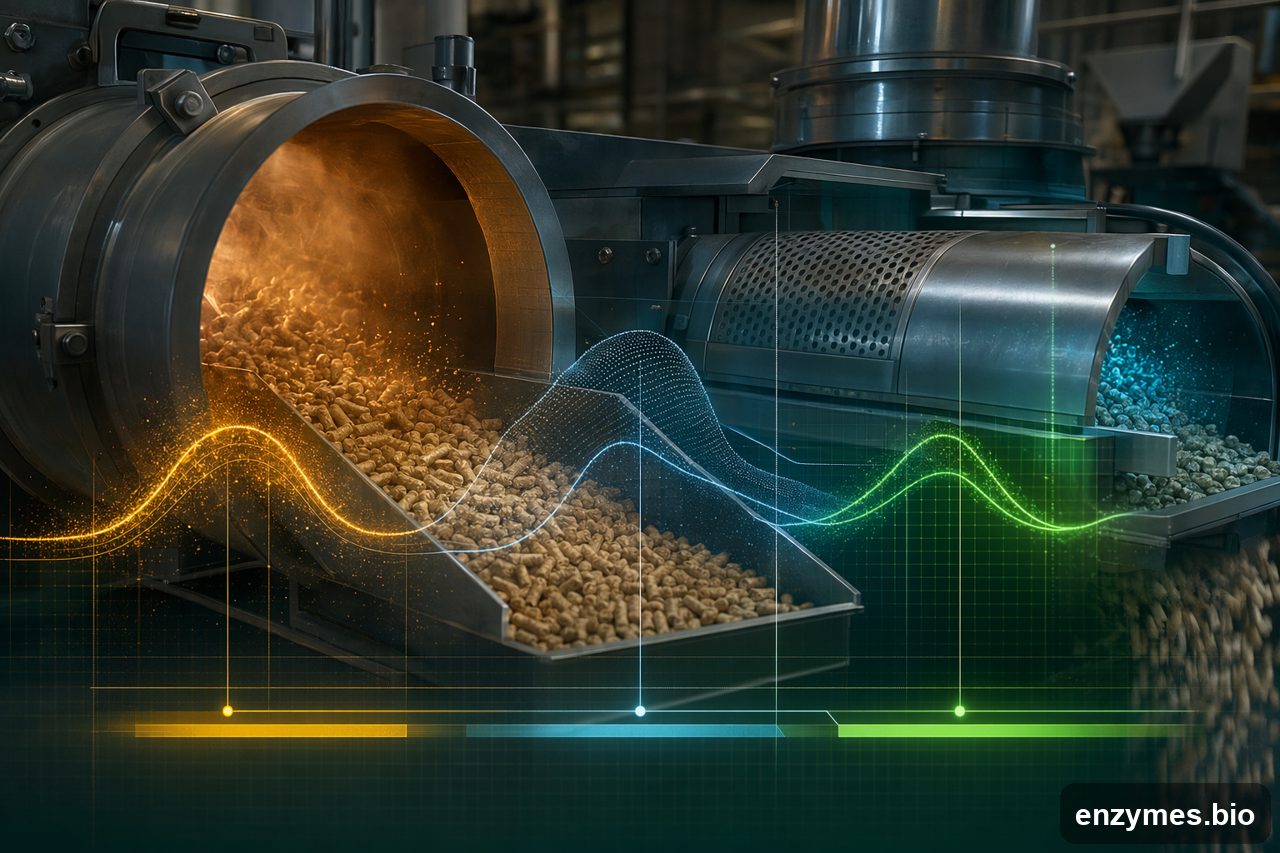
Enzymes are proteins. Excessive heat, pressure, moisture, or residence time can reduce recoverable activity after feed processing. Phytase products may be coated, thermostable by design, or applied after pelleting. Other enzymes may have different tolerance profiles.
For multi-enzyme use, do not assume one stability profile applies to all components. Confirm process fit for each enzyme in the actual feed mill environment.
2. Premix storage and concentration
Highly concentrated premixes can expose enzymes to minerals, acids, choline chloride, trace elements, and variable humidity. These conditions may affect long-term stability.
Best practice is to manage enzyme premix design carefully, especially when phytase is combined with other sensitive biological ingredients. Segregated premixes or late-stage addition may be preferable in some systems.
3. Mineral strategy
Phytase changes the way formulators think about phosphorus and calcium. Calcium level and calcium source can influence phytase response because high calcium can strengthen phytate-mineral complexes and shift digestive conditions.
When other enzymes are added, mineral strategy should still be controlled by the phytase program. Over-supplementing calcium or inorganic phosphorus can reduce the economic value of phytase.
4. pH and gut environment
Different enzymes have different pH activity windows. A phytase intended to work early in digestion may not behave the same way as an enzyme designed for action later in the tract. Organic acids, buffering capacity, animal age, and ingredient selection all influence the environment in which enzymes operate.
Compatibility should therefore be judged in the target animal and diet, not only in a product brochure.
5. Matrix value overlap
The most common commercial mistake in multi-enzyme formulation is not incompatibility. It is over-crediting.
If each enzyme is given a full standalone matrix, the total reformulation may exceed the biological response of the animal. This can create performance risk, mineral deficiency risk, or inconsistent field results.
A reliable multi-enzyme program uses:
Conservative first-cycle matrix values
Stepwise validation under commercial conditions
Ingredient-specific assumptions
Clear separation of phosphorus, calcium, amino acid, and energy credits
Performance monitoring after reformulation
Formulation approach: anchor, layer, validate
Anchor with phytase
Set the phytase objective first. Decide whether the program is designed for standard phosphorus release, more aggressive mineral reduction, sustainability targets, or a broader phytate mitigation strategy.
Layer the second enzyme by substrate
Choose the next enzyme based on the feed’s real limiting substrate:
Wheat or rye viscosity pressure: xylanase
Barley or oat beta-glucan pressure: beta-glucanase
Measure the program through feed cost, animal performance, mineral balance, litter or manure outcomes, and consistency across ingredient lots. Multi-enzyme economics should be reviewed as a system, not as isolated additive costs.
Feed mill handling recommendations
For procurement and technical teams, compatibility should be written into the specification and handling plan.
Ask for clarity on:
Physical form: dry, coated, granulated, liquid, or post-pellet application
Expected stability through your conditioning and pelleting profile
Premix compatibility with minerals, acids, and choline-containing blends
Recommended storage temperature and humidity controls
Shelf-life expectations in original packaging and in premix
Mixing sequence and addition point
Evidence supporting use with the specific enzyme classes in your formula
Species-specific notes
Poultry
Phytase is commonly paired with xylanase, protease, amylase, mannanase, or NSP blends in broiler and layer diets. The strongest commercial cases are usually tied to phosphorus reduction, calcium control, litter management, and energy or amino acid reformulation.
Swine
In piglet, grower, finisher, and sow diets, phytase combinations often focus on phosphorus release, gut mineral balance, protein utilization, and cereal or soybean meal variability. Young animal diets may benefit from conservative validation before more aggressive nutrient credits are applied.
Aquaculture
Phytase can be useful where plant proteins and oilseed meals contribute significant phytate. Compatibility with protease and carbohydrase systems may be relevant, but water stability, feed processing, species digestive physiology, and pellet integrity require special attention.
Ruminants
Use cases are more specialized because rumen microbial activity changes the enzyme value equation. Phytase compatibility should be assessed according to ration type, processing, bypass strategy, and the specific production objective.
Procurement questions before approving a multi-enzyme package
Use these questions when comparing phytase suppliers or evaluating a complete enzyme blend:
Which substrate does each enzyme target in this formula?
What nutrient matrix is recommended for phytase alone and for the combined program?
How are phosphorus, calcium, amino acid, and energy credits separated?
What evidence supports compatibility through our feed process?
Is the enzyme supplied as a single blend or separate components?
How should it be stored in original packaging and in premix?
What is the recommended addition point in our mill?
How should reformulation be phased to manage performance risk?
What sustainability outcomes can be documented from phosphorus reduction?
What technical support is available during first production and validation?
When a blend is useful, and when separate addition is better
A finished enzyme blend can simplify purchasing, inventory, and dosing. It may be the right option when the diet program is stable and the enzyme ratio is already validated.
Separate addition can be better when:
Formulas change frequently
Phytase dose strategy varies by production phase
Different grain sources require different carbohydrase emphasis
The mill uses different application points for liquids and dry products
The nutrition team wants independent control of each matrix value
Neither approach is automatically superior. The right choice depends on technical control, feed mill capability, procurement simplicity, and the value of formulation flexibility.
Sustainability value of compatible enzyme systems
A compatible phytase-centered enzyme program can support measurable sustainability outcomes by improving nutrient utilization from existing raw materials. The most direct contribution is reduced inorganic phosphorus use and reduced phosphorus output. When paired with carbohydrases or proteases, the program may also support lower feed cost per unit of production and more efficient use of plant protein and cereal energy.
For sustainability reporting, keep claims tied to documented formulation changes and production data. Inosira recommends building the environmental case from actual phosphate reduction, ingredient substitution, animal performance, and manure or effluent management objectives.
Bottom line
Phytase is highly compatible with the major enzyme classes used in commercial feed, but successful application depends on formulation discipline. The best programs start with phytase as the mineral-release anchor, add other enzymes according to substrate pressure, and validate the combined matrix under real processing and production conditions.
If the matrix is clear, the feed process is controlled, and the enzyme choices match the ingredient profile, multi-enzyme formulation can be a practical route to lower feed cost, stronger nutrient precision, and more sustainable mineral management.
Request phytase compatibility and pricing support
Use the form below to request a quote, get pricing, or ask for support on a phytase-compatible multi-enzyme formulation. Inosira can review your species, ingredient base, processing conditions, and commercial objectives to help you define the right technical path.