Phytase in Corn-Soybean Diets | Feed Formulation Guide
Technical guide to phytase use in corn-soybean poultry and swine diets, covering phytate phosphorus release, mineral matrix value, formulation strategy, procurement criteria, and sustainability impact.
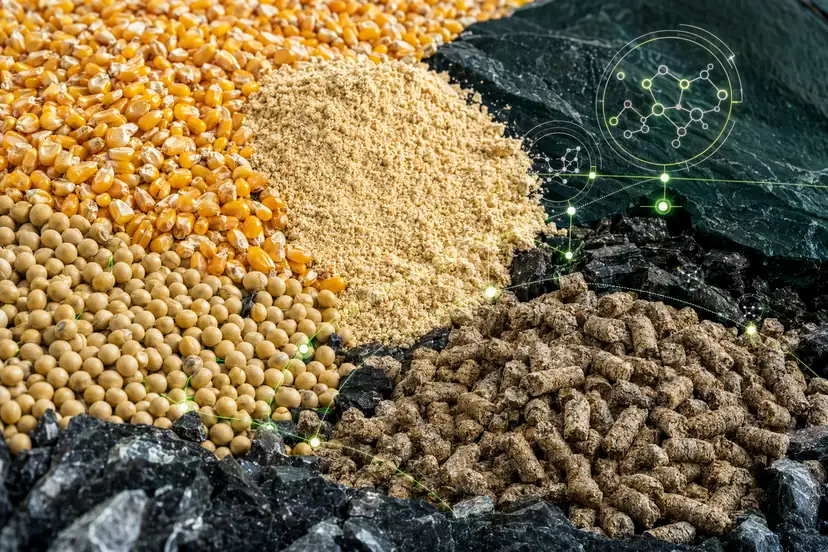
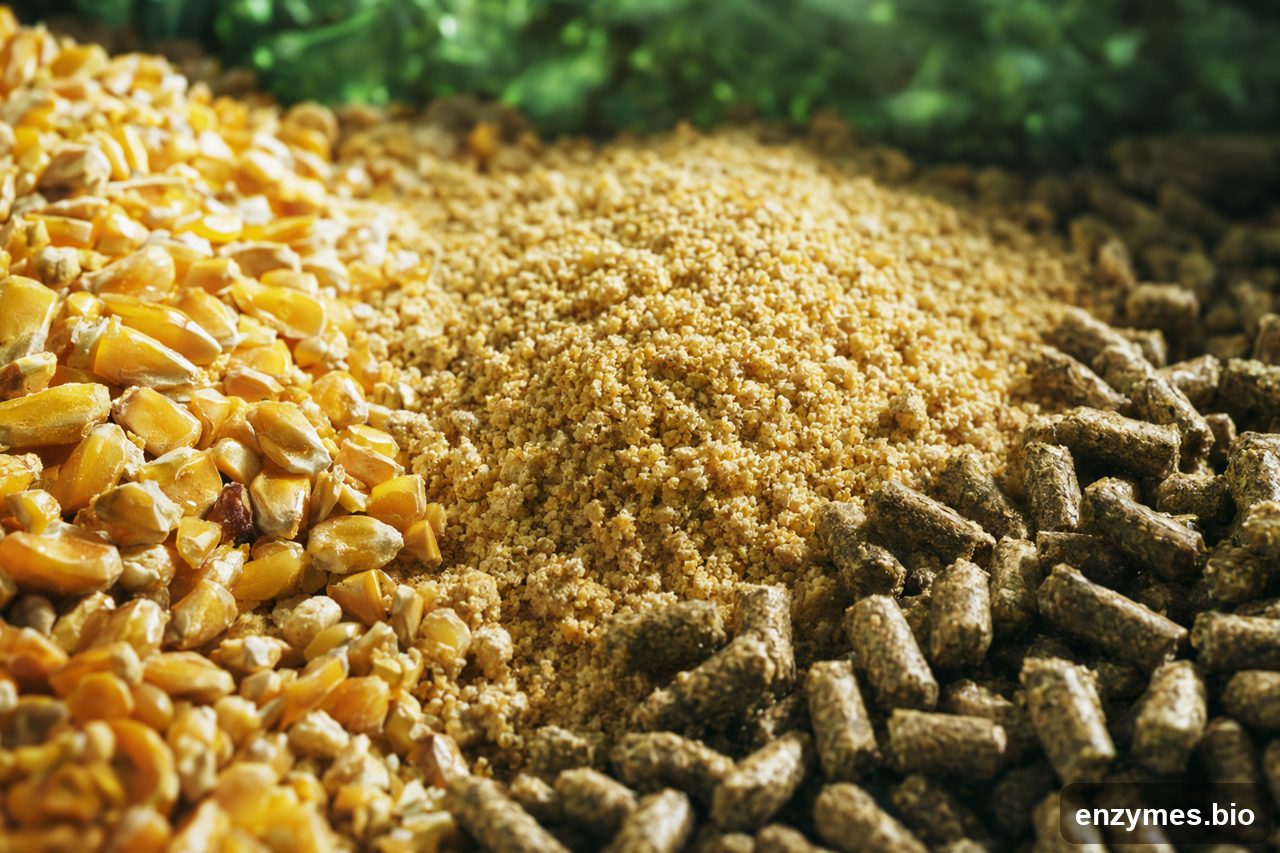
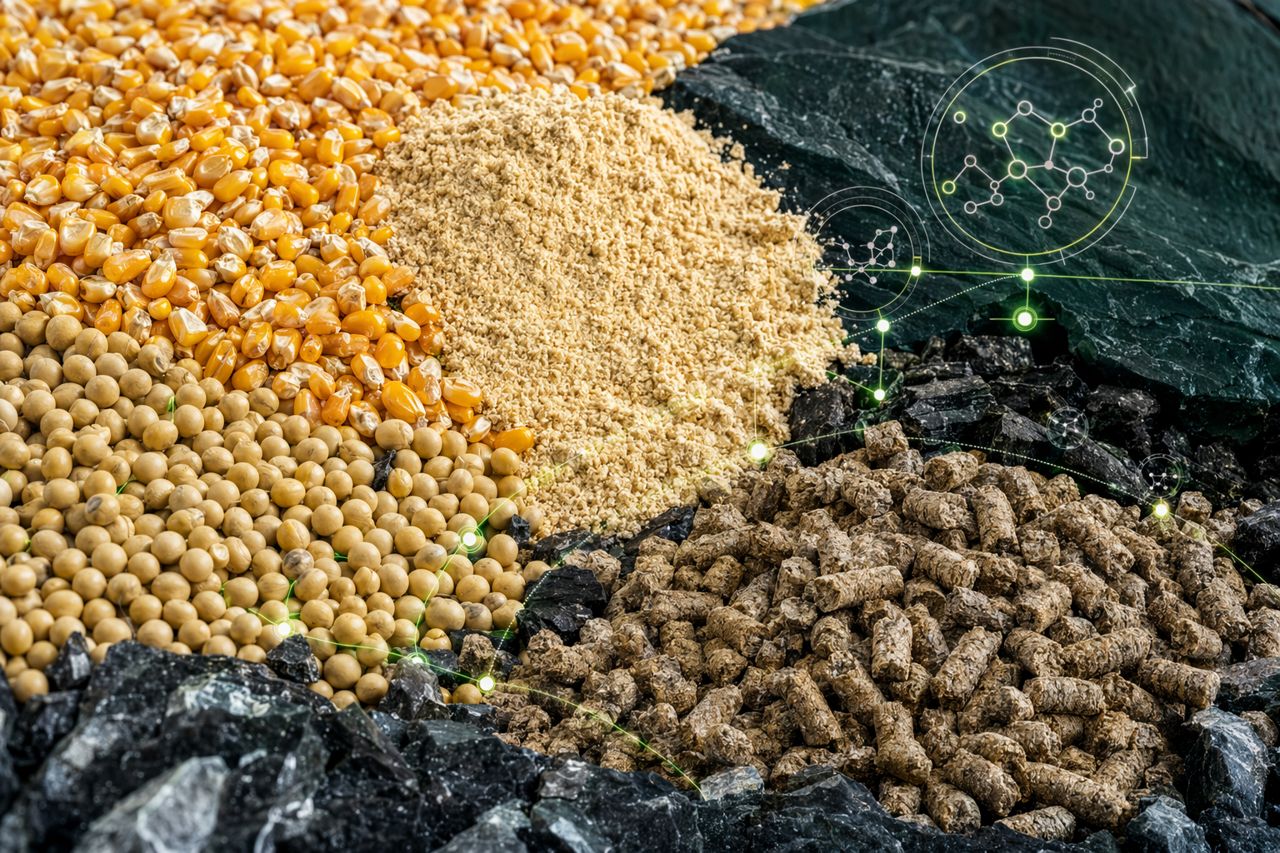
Corn and soybean meal remain the backbone of many poultry and swine feeding programs. They are consistent, scalable, and well understood — but a meaningful share of their phosphorus is locked in phytate, a storage form animals cannot efficiently use without enzymatic support.
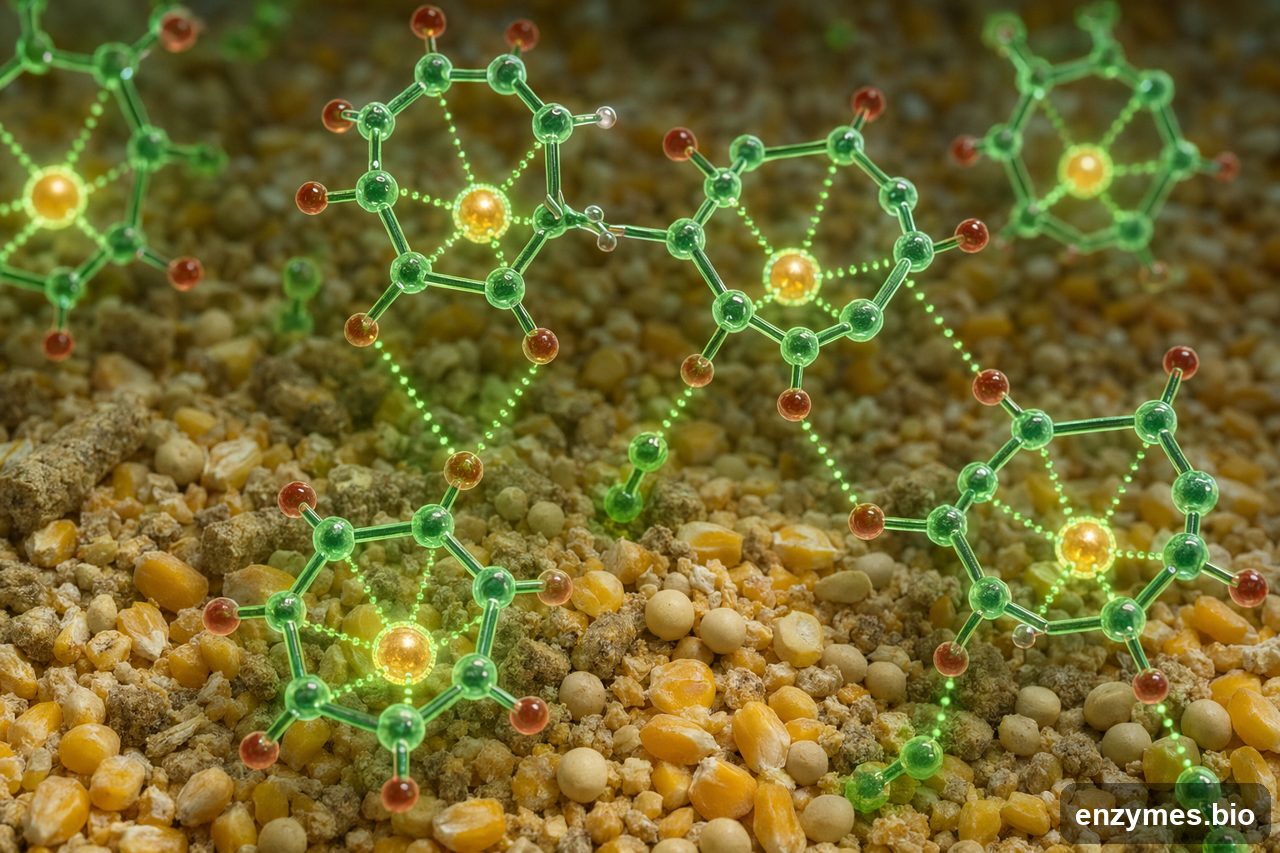
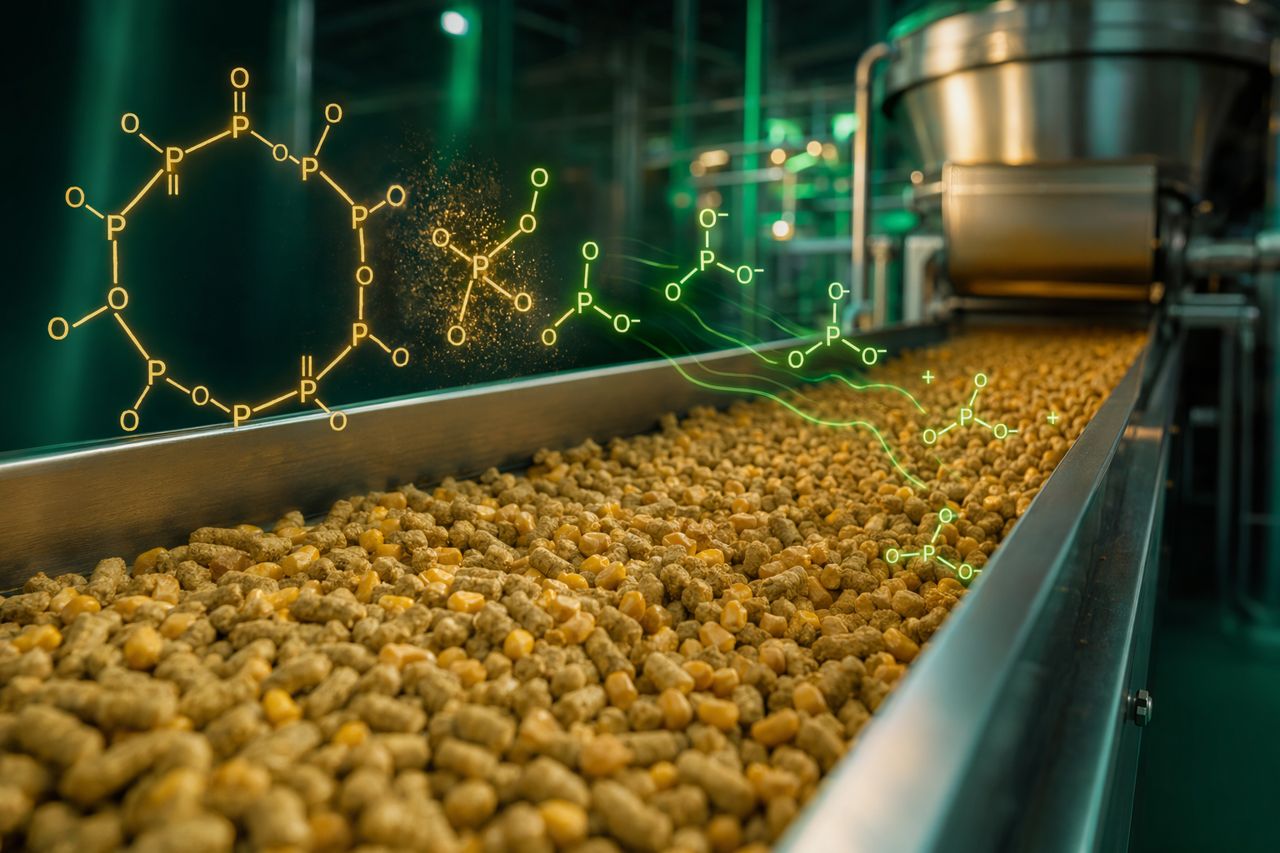
Phytase helps convert that bound phosphorus into nutritionally available phosphate. In well-formulated corn-soybean diets, the value is not limited to phosphorus replacement. It can also support calcium balance, reduce mineral safety margins, improve access to trace nutrients, and lower phosphorus discharge from manure.
Inosira focuses on phytase as a formulation tool: measurable nutrient release, practical purchasing criteria, and clean integration into commercial feed systems.
Why phytate matters in corn-soybean diets
Phytate is naturally present in plant ingredients. In corn-soybean diets, it acts as both a phosphorus reserve and an anti-nutritional factor.
From a formulation perspective, phytate can:
Bind phosphorus in a form with limited availability to monogastric animals
Interact with calcium and trace minerals
Influence protein and amino acid utilization through mineral-protein complexes
Add variability between ingredient lots and origins
Increase dependence on inorganic phosphate sources
Contribute to higher phosphorus output in manure when not effectively degraded
Phytase targets this constraint directly by hydrolyzing phytate and releasing phosphate for animal use.
What phytase changes in the formulation
A well-selected phytase allows nutritionists to assign nutritional credit to the diet. The most immediate credit is available phosphorus, but modern commercial programs may also evaluate calcium, sodium, trace mineral, amino acid, and energy effects depending on species, age, feed system, and internal validation data.
The practical formulation value comes from replacing a portion of inorganic phosphate while maintaining performance targets. In many programs, this also creates a more efficient mineral balance and reduces the amount of undigested phosphorus entering the waste stream.
Key formulation effects include:
Increased availability of phytate-bound phosphorus
Lower requirement for added inorganic phosphate
Improved control of calcium-to-phosphorus balance
Reduced anti-nutritional pressure from residual phytate
Potential improvement in nutrient digestibility beyond phosphorus
Lower phosphorus excretion per animal or per unit of output
Where phytase delivers value in corn-soybean diets
Broiler and layer feeds
In poultry, phytase is commonly used to support bone mineralization, eggshell mineral supply, feed cost control, and reduced phosphorus output. Corn-soybean diets provide a predictable phytate substrate, making them suitable for structured matrix application.
Important formulation considerations include feed phase, calcium source solubility, pelleting conditions, expected feed intake, and the level of mineral replacement being applied.
Swine feeds
In nursery, grower, finisher, sow, and gilt diets, phytase supports phosphorus availability and can reduce reliance on mineral phosphate. The impact is especially relevant when soybean meal inclusion is high or when phosphate pricing and supply security become procurement concerns.
For swine programs, phytase should be evaluated against diet pH conditions, mineral balance, feed processing, and the nutritional matrix approved by the technical team.
Formulation guidance for technical teams
Phytase should not be treated as a simple additive line item. It is a matrix-bearing ingredient and should be managed with the same discipline as any nutrient source.
Before applying full nutrient credit, confirm:
Target species and life stage
Corn and soybean meal inclusion ranges
Baseline phytate phosphorus contribution
Inorganic phosphate replacement target
Calcium source and total calcium strategy
Expected pelleting or conditioning exposure
Internal performance and bone or mineral criteria
Safety margin policy for commercial production
Feed mill handling and mixing sequence
A conservative phased adoption is often preferred: first validate phosphorus replacement, then evaluate broader matrix credits once performance confidence is established.
Procurement criteria for phytase supply
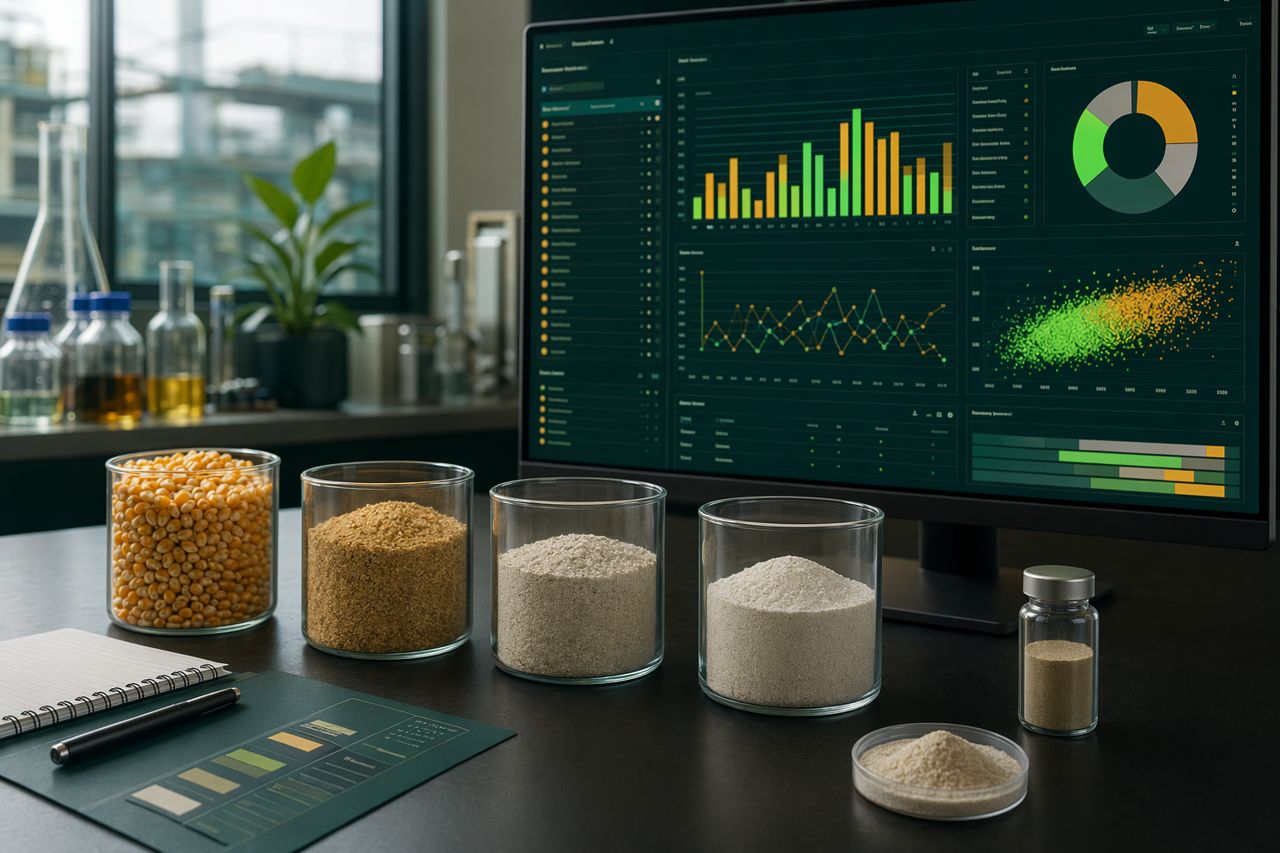
Procurement teams should compare phytase offers on delivered formulation value, not only purchase price. A lower-cost product can become expensive if it lacks stability, documentation, or consistent technical support.
When qualifying a phytase supplier, request clarity on:
Product format: powder, granule, or liquid
Suitability for mash, pelleted, or post-pellet application
Heat and storage stability under intended feed mill conditions
Recommended nutrient matrix and supporting documentation
Batch traceability and certificate documentation
Packaging, shelf life, and warehousing requirements
Compatibility with premix and feed manufacturing workflows
Technical support for reformulation and validation
The commercial question is simple: how much reliable nutrient value does the enzyme deliver at the point of feeding?
Feed mill integration
Phytase performance depends on correct handling. The enzyme should be protected from avoidable heat, moisture, segregation, and extended exposure to aggressive premix conditions.
For dry inclusion, confirm that the carrier and particle profile support uniform mixing. For liquid application, verify spray distribution, line hygiene, and post-pellet coverage. In either case, documentation and routine process checks help ensure the formulated matrix reaches the animal.
Sustainability impact
Corn-soybean diets formulated with phytase can reduce dependence on finite mineral phosphate sources and lower phosphorus loading in manure. This matters for integrators, premix companies, feed manufacturers, and livestock producers operating under nutrient management plans.
Phytase supports sustainability through:
More efficient use of plant phosphorus already present in feed
Reduced requirement for mined phosphate inputs
Lower phosphorus excretion risk
Better alignment with nutrient discharge goals
Improved formulation flexibility during phosphate market volatility
The sustainability benefit is strongest when nutrient credits are applied accurately and backed by stable enzyme delivery.
When to review your phytase program
A review is recommended when:
Inorganic phosphate cost changes materially
Corn or soybean meal sources shift
Feed processing temperature or residence time changes
Bone, egg, litter, or manure phosphorus metrics move outside target
A new premix system or enzyme format is introduced
Broader matrix values are being considered
Procurement is comparing enzyme alternatives
Inosira can help technical and purchasing teams evaluate phytase fit for corn-soybean diets and define the right commercial specification for their feed system.
Request a quote or get pricing
Use the form below to request pricing, supply options, and technical documentation for phytase used in corn-soybean poultry or swine diets.