Phytase Benefits in Animal Feed | Nutrient Release and Feed Formulation Value
A practical B2B guide to phytase in animal feed: phosphorus release, mineral availability, formulation value, sustainability benefits, and sourcing considerations for feed manufacturers.
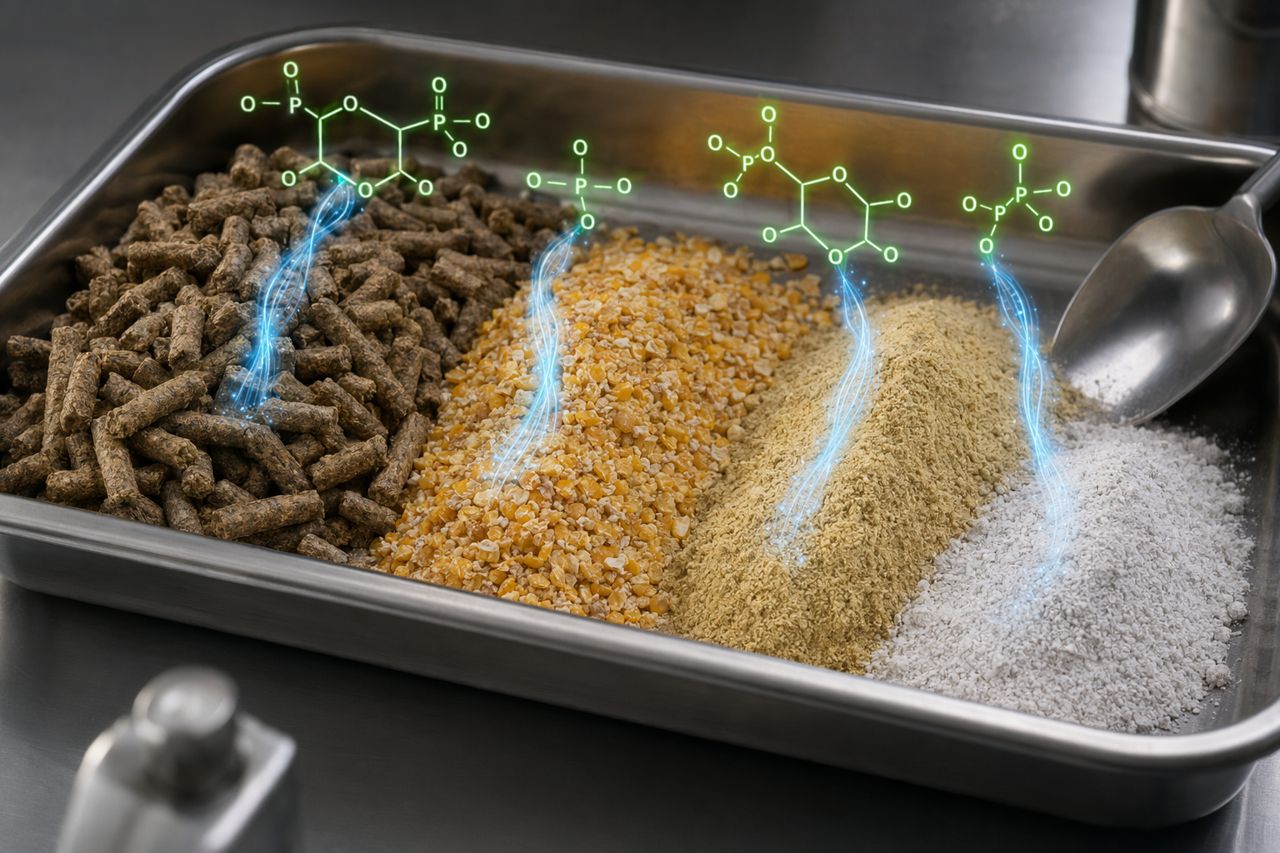
Phytase is one of the most economically important enzymes in modern feed formulation. Its role is direct: break down phytate, the main storage form of phosphorus in plant-based feed ingredients, and make bound nutrients more available to the animal.
For nutritionists, feed formulators, procurement teams, and technical directors, the value of phytase is not only nutritional. It affects mineral strategy, raw material flexibility, feed cost control, manure phosphorus output, and sustainability reporting.
Inosira focuses on phytase as a formulation tool: precise, measurable, and aligned with commercial feed production.
What phytase does in feed
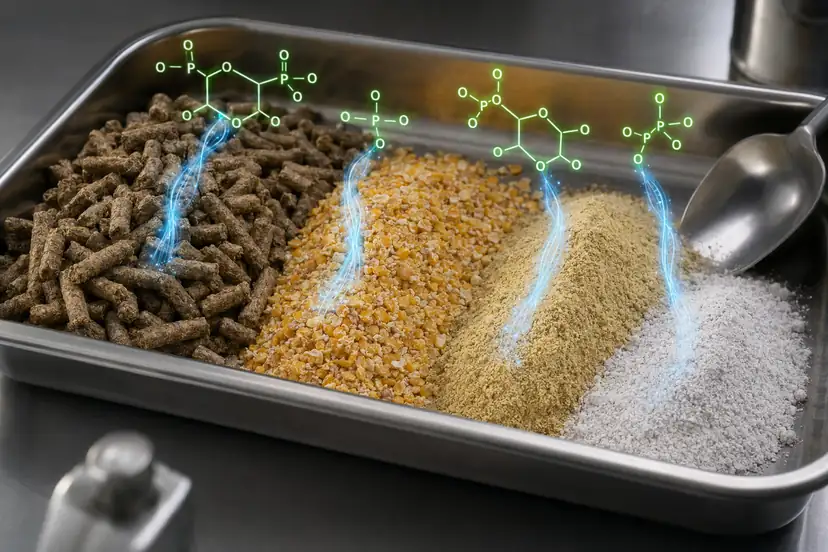
Cereal grains, oilseed meals, and many plant proteins contain phytate. Phytate holds phosphorus in a form that monogastric animals do not efficiently access without enzymatic support. It can also interact with calcium, trace minerals, proteins, and other nutrients, reducing their practical availability in the diet.
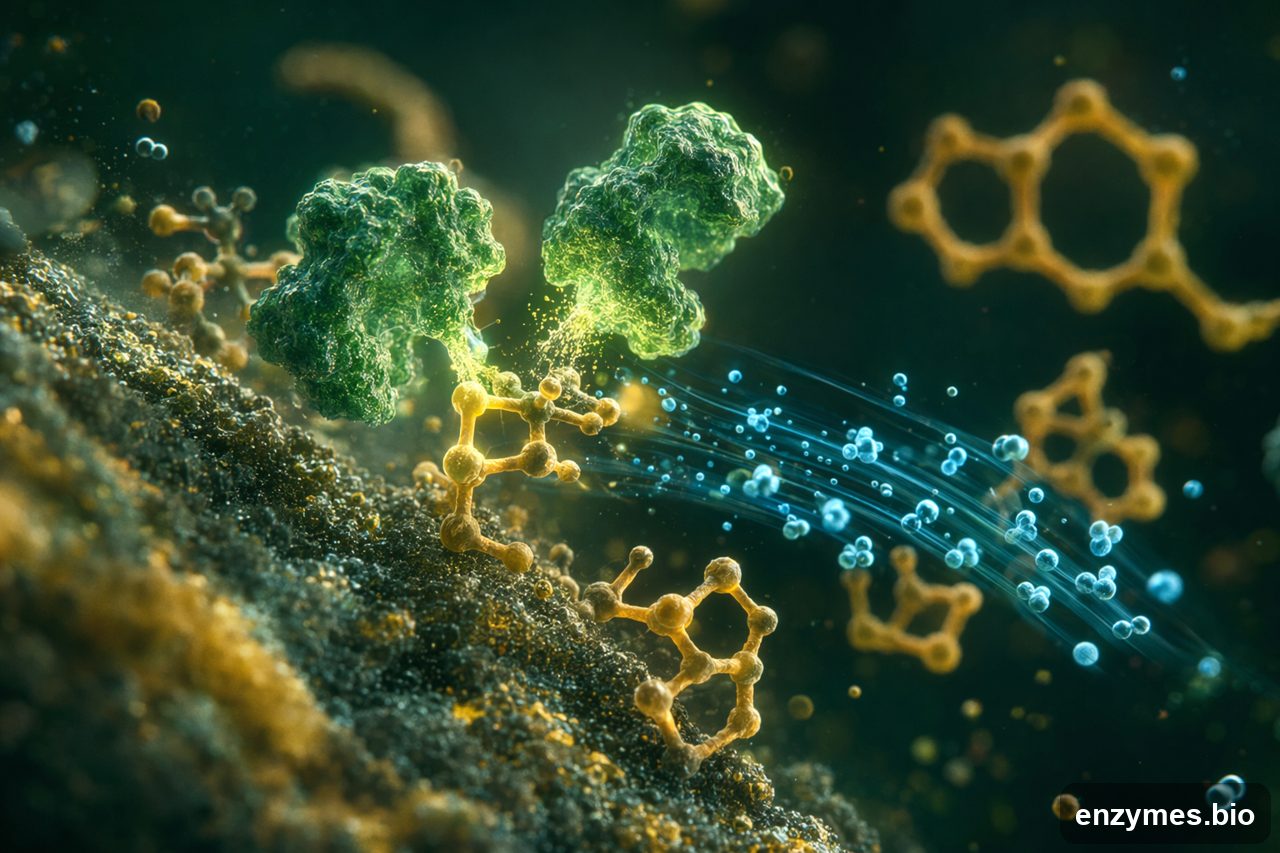
Phytase, formally known as Phytase (myo-inositol hexakisphosphate phosphohydrolase), hydrolyzes phytate and releases phosphate groups during digestion. The result is improved nutrient access from ingredients already present in the formula.
The core formulation effect
A well-selected phytase program can support:
More available phosphorus from plant-origin raw materials
Reduced dependence on added inorganic phosphate sources
Improved calcium and phosphorus balance
Lower phosphorus excretion into manure
More efficient use of soybean meal, corn, wheat, sorghum, and other common feedstuffs
Better alignment between nutrient specifications and actual biological availability
Why phytate matters commercially
Phytate is not just a nutrition issue. It is a cost issue.
When phosphorus remains bound, the feed mill may need to add more mineral phosphate to meet available phosphorus targets. That increases formulation cost and exposes the business to mineral supply volatility. In high-volume feed manufacturing, even small changes in mineral contribution can have a meaningful impact across tonnage.
Phytase helps convert hidden nutrient value into usable formulation value. The practical benefit is not simply adding an enzyme; it is replacing unnecessary mineral safety margin with a controlled release strategy.
Key benefits of phytase in animal feed
1. Phosphorus release from plant ingredients
The primary benefit of phytase is improving phosphorus availability. In corn-soy, wheat-soy, and mixed cereal diets, a significant portion of total phosphorus is tied up as phytate. Phytase helps release a portion of that bound phosphorus in the digestive tract.
For feed formulators, this allows the use of phytase matrix values to reduce added inorganic phosphate while maintaining target digestible or available phosphorus levels.
2. Lower feed cost through mineral reformulation
Inorganic phosphate ingredients can be expensive and exposed to market swings. A phytase program can reduce mineral phosphate inclusion and improve cost predictability.
The financial case should be evaluated by diet type, species, local phosphate pricing, and the supplier's validated nutritional matrix. A good commercial phytase decision is not based on enzyme price alone. It is based on net formulation value.
3. Improved calcium and phosphorus management
Phosphorus and calcium are closely linked in skeletal development, eggshell formation, growth performance, and overall mineral metabolism. By improving phosphorus release, phytase can help nutritionists refine calcium-to-phosphorus balance and reduce oversupply.
This is especially important where high calcium levels may interfere with phytate degradation or where limestone particle size and solubility affect mineral dynamics.
4. Reduced phosphorus excretion
Unreleased phytate phosphorus passes through the animal and contributes to manure phosphorus load. By increasing phosphorus utilization, phytase can help reduce phosphorus excretion and support nutrient management goals.
For integrators and feed businesses operating under environmental pressure, this can strengthen sustainability reporting and improve alignment with customer and regulatory expectations.
5. Support for broader nutrient availability
Phytate can bind or interfere with nutrients beyond phosphorus. Depending on diet, animal type, and formulation approach, phytase may support improved access to selected minerals, amino acids, and energy-related nutrient fractions.
These secondary benefits should be handled carefully in formulation. They are valuable when supported by data, but they should not be overclaimed without validation under the target feeding conditions.
Where phytase is used
Poultry feed
Phytase is widely used in broiler, layer, and breeder nutrition. In broilers, it supports skeletal mineralization, growth efficiency, and reduced inorganic phosphate inclusion. In layers, it can contribute to mineral balance relevant to shell quality and phosphorus utilization.
Swine feed
In piglet, grower-finisher, and sow diets, phytase helps release phosphorus from plant materials and can reduce mineral phosphate demand. Swine programs often benefit from clear matrix discipline because phosphorus requirements change across phases.
Aquafeed and other species
In aquaculture and specialty feeds, phytase may be considered where plant proteins and cereals contribute phytate-bound phosphorus. Application depends on feed processing conditions, species digestion, and water quality objectives.
How formulators should evaluate phytase
Phytase selection should be technical, not generic. Different phytase products can vary in stability, activity profile under digestive pH, release curve, ingredient compatibility, and manufacturing robustness.
Important evaluation criteria
Compatibility with the target species and feeding phase
Performance across relevant gut pH conditions
Stability during premix handling and feed processing
Suitability for mash, pellet, or post-pellet application systems
Documented mineral release matrix values
Evidence for performance under commercial feed conditions
Batch consistency and supply reliability
Technical documentation that supports nutrition and QA teams
Formulation approach: practical steps
Step 1: Define the nutrient objective
Decide whether phytase is being used primarily for phosphorus replacement, environmental phosphorus reduction, improved formulation flexibility, or a combination of these objectives.
Step 2: Review the matrix contribution
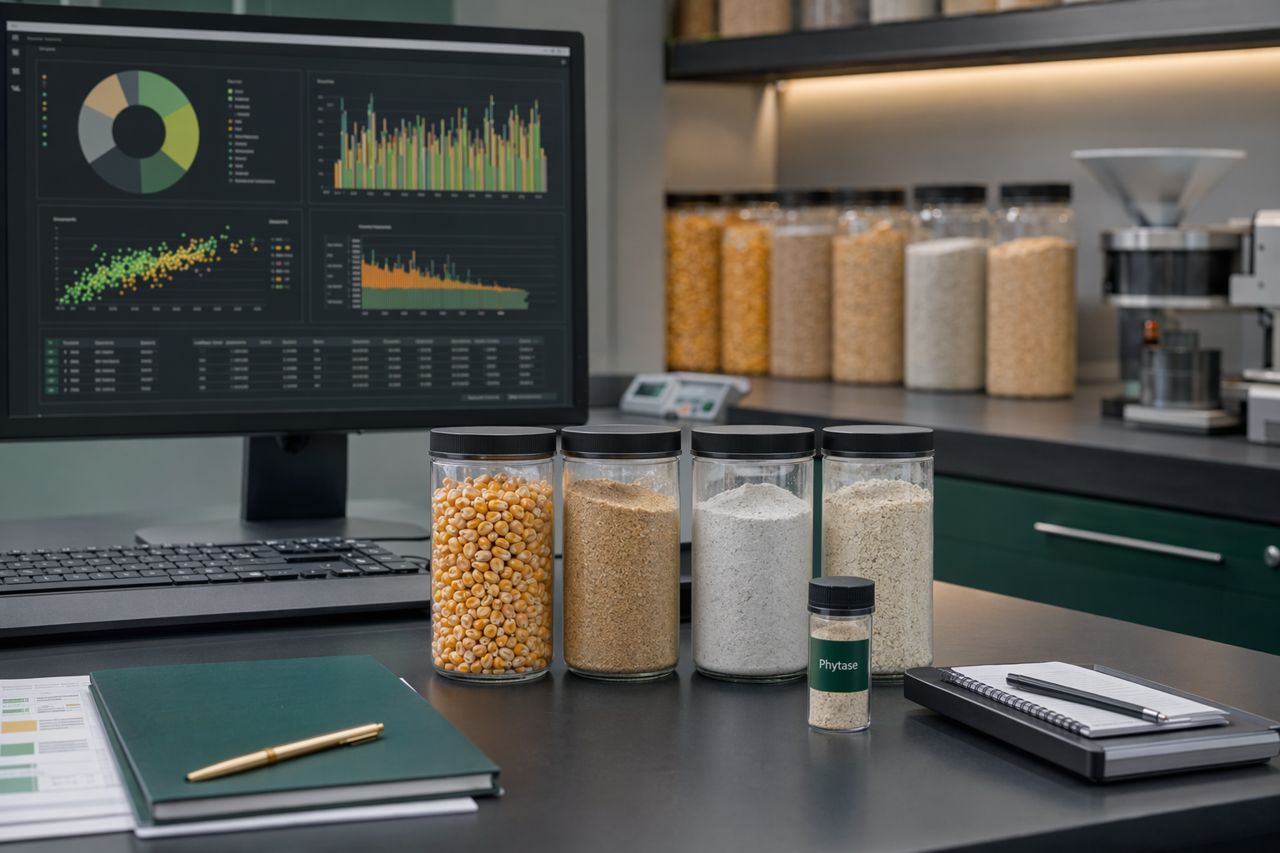
Use validated matrix values supplied for the product and species. Apply them consistently in formulation software. Avoid mixing aggressive mineral reduction with unvalidated nutrient credits.
Step 3: Check total diet mineral balance
Review available phosphorus, calcium, sodium, trace minerals, and limestone strategy together. Phytase works inside a mineral system, not in isolation.
Step 4: Align enzyme format with production conditions
Select the product format around your manufacturing reality: premix route, mixer uniformity, pelleting temperature profile, liquid dosing capability, and storage conditions.
Step 5: Monitor results
Track feed cost, mineral phosphate use, animal performance indicators, skeletal or shell quality where relevant, and manure nutrient data if available. A phytase program should be auditable.
Procurement considerations
For procurement teams, the lowest invoice price is not always the lowest cost. A phytase supplier should be evaluated on total delivered value.
Ask for:
Product specification and storage guidance
Recommended inclusion guidance without confidential assay disclosure
Species-specific matrix documentation
Stability and handling information
Regulatory and safety documentation for target markets
Packaging options suitable for your plant operation
Lead time, lot traceability, and supply continuity commitments
Technical support for formulation integration
Sustainability value
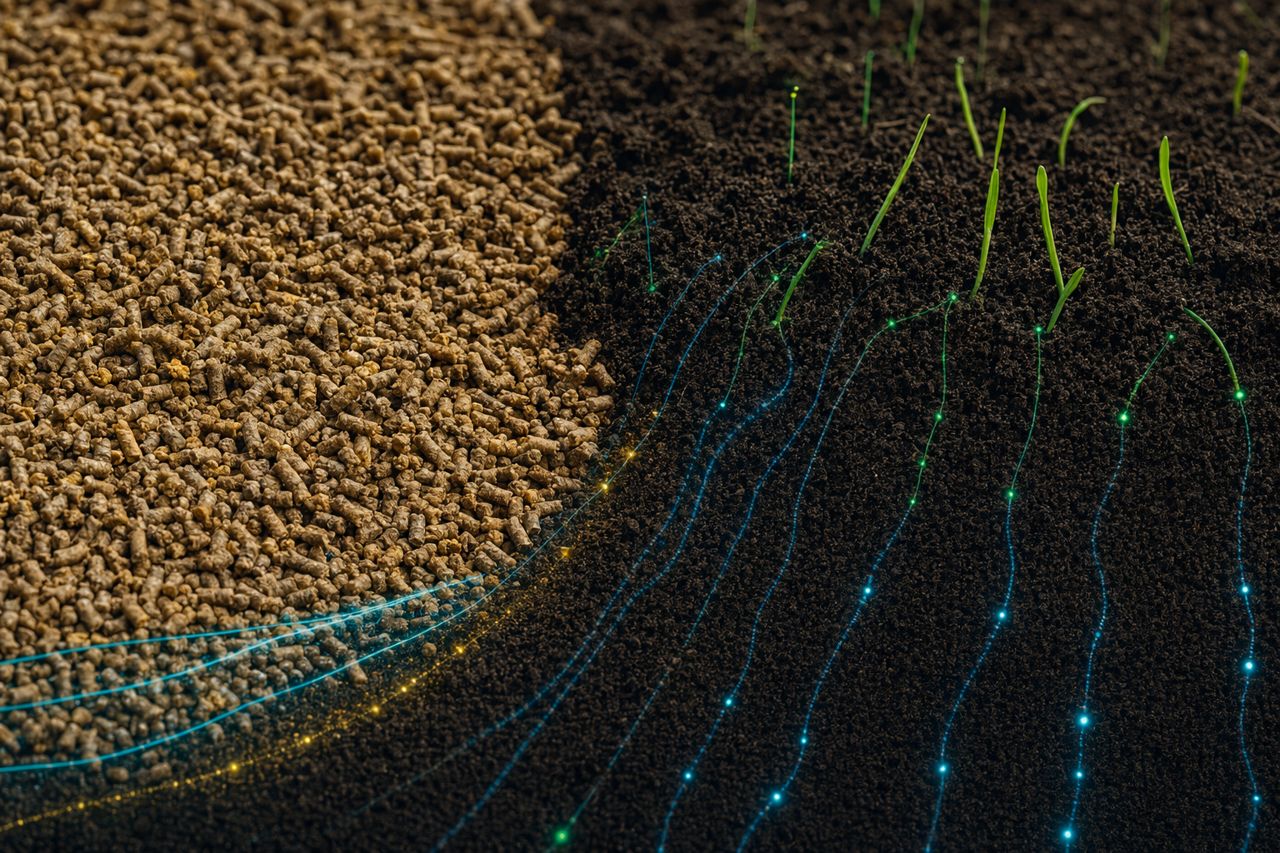
Phytase can reduce the need for mined inorganic phosphate inputs and reduce phosphorus losses in manure. That gives feed producers a credible lever for sustainability improvement without changing the core grain and protein structure of many diets.
For sustainability claims, the strongest approach is to connect phytase use with documented reductions in mineral phosphate inclusion and phosphorus excretion, supported by internal formulation records and production data.
Common formulation mistakes to avoid
Treating all phytase products as interchangeable
Using matrix values that are not aligned with the species or diet type
Reducing inorganic phosphate without reviewing calcium balance
Ignoring pelleting and storage stress
Over-crediting secondary nutrient effects without local validation
Evaluating only enzyme cost instead of net formula savings
FAQ
Is phytase only about phosphorus?
Phosphorus release is the main commercial driver, but phytase may also influence mineral availability and the nutritional impact of phytate. Secondary nutrient credits should be applied only where supported by product data and formulation policy.
Can phytase replace all inorganic phosphate?
Not necessarily. Replacement depends on species, life stage, base ingredients, target phosphorus specifications, and the phytase matrix. In most programs, phytase reduces inorganic phosphate requirement rather than eliminating the need entirely.
Does pelleting matter?
Yes. Heat, moisture, residence time, and mechanical stress can affect enzyme performance. The product format and application route should match the mill process.
How should a buyer compare phytase offers?
Compare net formulation value, documentation quality, production compatibility, supply reliability, and technical support. Price per kilogram alone is not enough.
Request pricing or technical support
If you are evaluating phytase for commercial feed production, Inosira can support specification review, application fit, and quote preparation for your target species and production process.