Field Notes
How Phytase Works on Phytate | Inosira
A technical, buyer-focused explanation of how phytase releases phosphorus from phytate in animal feed, improves mineral availability, and supports more efficient formulation.
A technical, buyer-focused explanation of how phytase releases phosphorus from phytate in animal feed, improves mineral availability, and supports more efficient formulation.
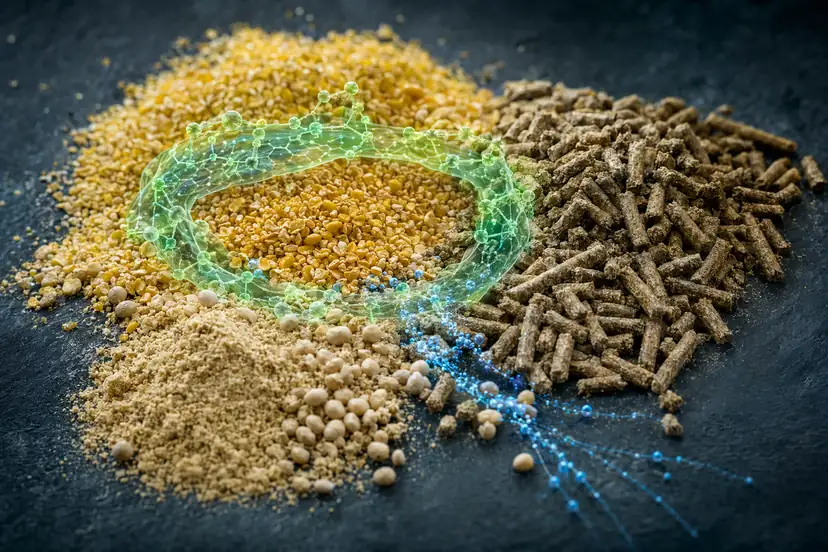
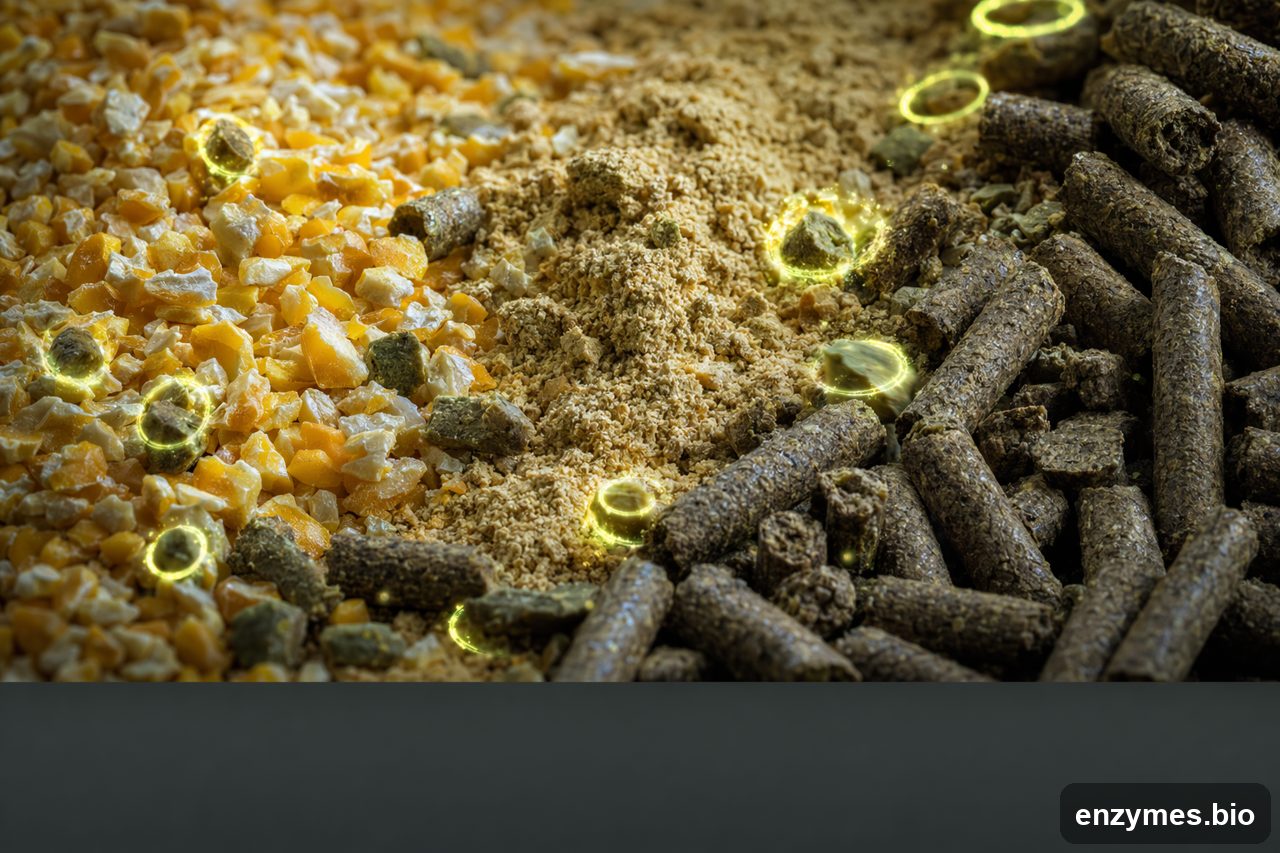
Phytase is used in feed because a significant share of phosphorus in plant ingredients is bound as phytate. Corn, wheat, soybean meal, rapeseed meal, rice bran, and other vegetable raw materials naturally contain phytate, a storage form of phosphorus that monogastric animals cannot fully break down on their own.
We supply phytase in bulk to feed mills, premix makers and distributors. The commercial value is simple: more available phosphorus from the same raw materials, less inorganic phosphate, better mineral nutrition and less phosphorus in manure.
Wholesale and bulk supply for feed manufacturers and resellers. Request a quote with the product, the quantity and the delivery country. Prices and lead times are quoted per order.
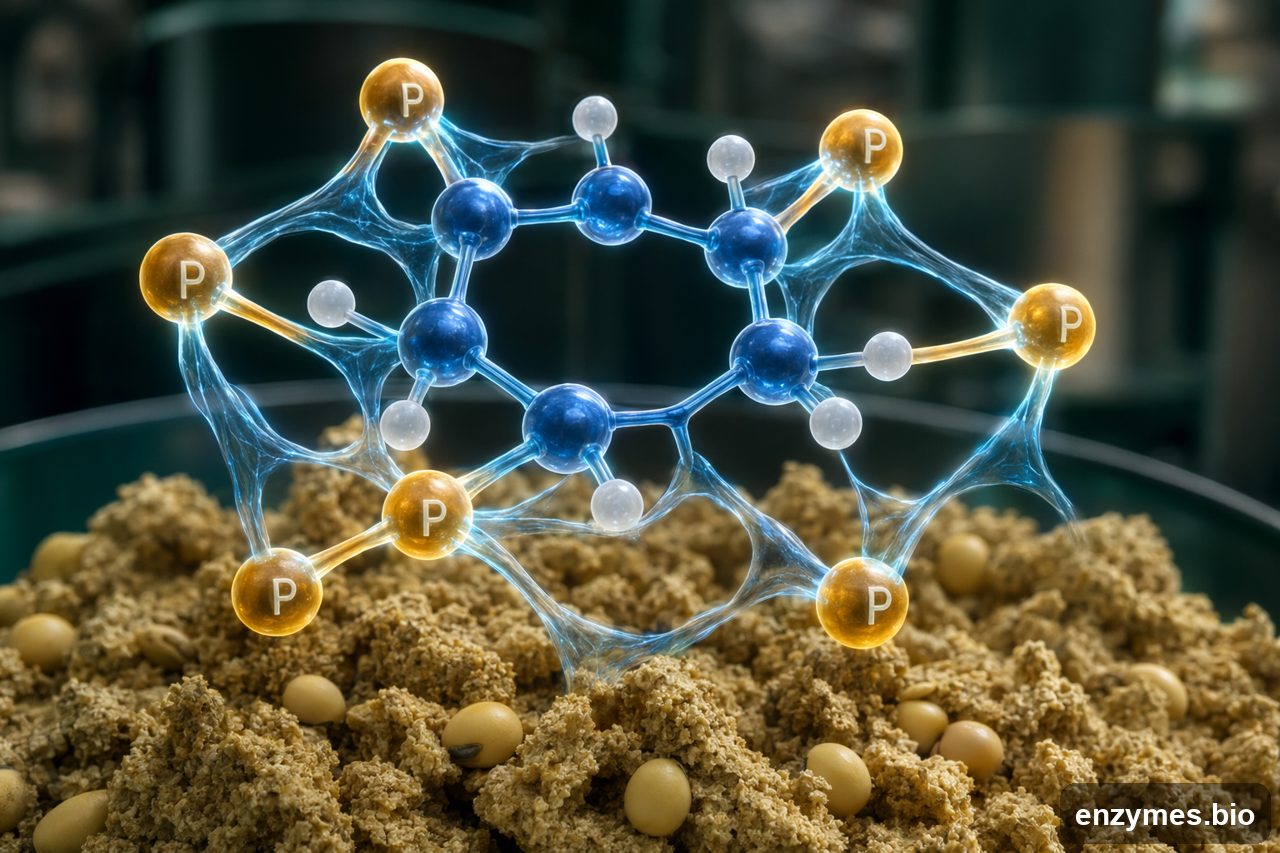
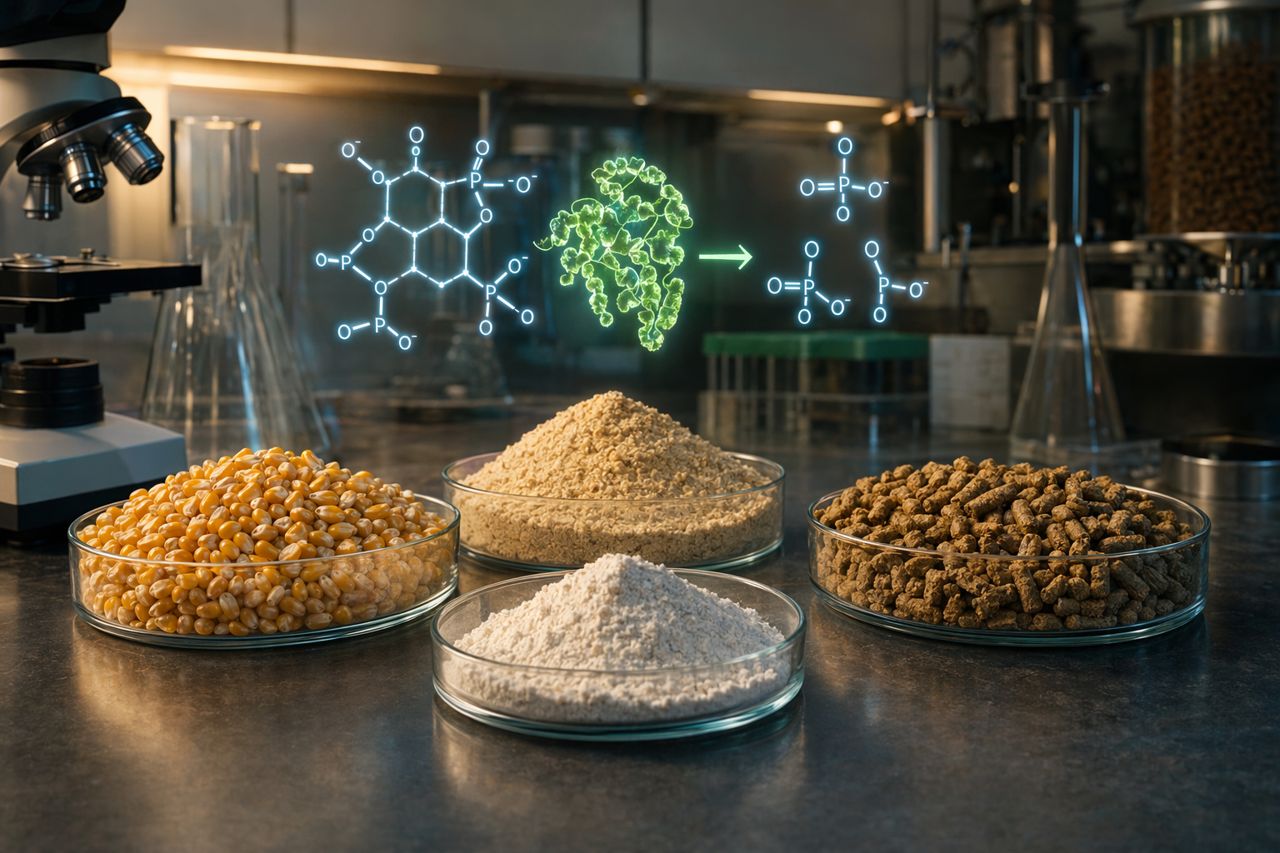
Phytate is the salt form of phytic acid. Its structure carries multiple phosphate groups around an inositol ring, giving it a strong negative charge. That charge allows phytate to bind positively charged nutrients in the feed and digestive tract.
In practical feed formulation, phytate matters because it can interact with:
These interactions are why phytate is often described as an anti-nutritional factor. It is not only a phosphorus storage molecule; it also influences how efficiently other nutrients are used.
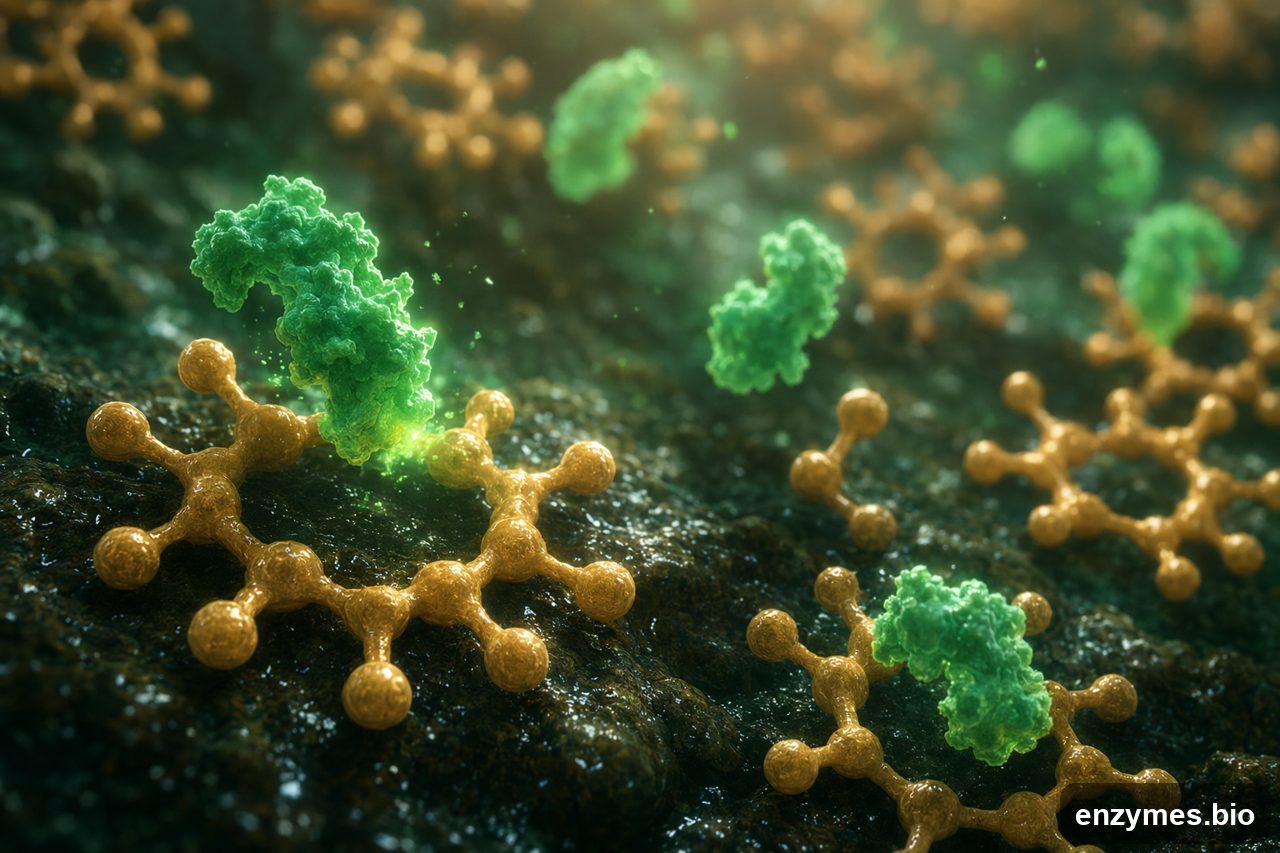
Phytase is a phosphohydrolase enzyme. Its function is to cleave phosphate groups from phytate step by step. As the enzyme acts, phytate is converted into lower inositol phosphate forms and free phosphate becomes available for absorption.
The result is not a single instant reaction. It is a staged hydrolysis process that depends on contact between the enzyme, the substrate, moisture, temperature history, digestive pH, retention time, and diet composition.
For nutritionists and technical directors, the objective is to select a phytase that performs reliably in the feed manufacturing and digestive conditions relevant to the target species.
Phytase is incorporated into complete feed, premix, concentrate, or applied after thermal processing depending on the production system. The key requirement is consistent distribution so that the enzyme is present where phytate is present.
Once the animal consumes the feed, moisture and digestive conditions activate the environment for enzyme-substrate contact. Phytate is abundant in the plant fraction of the ration, especially in cereal grains and oilseed meals.
The enzyme attacks the phosphate ester bonds on the phytate molecule. With each cleavage, one phosphate group is released and the original phytate molecule becomes a lower inositol phosphate.
This is the core value of phytase: converting unavailable plant phosphorus into nutritionally useful phosphorus.
As phytate is degraded, its ability to bind calcium and trace minerals decreases. This can improve mineral availability and reduce the need to over-formulate safety margins.
The effect is diet-dependent. Calcium level, ingredient profile, buffering capacity, and the soluble phytate fraction all influence the nutritional response.
Phytase value is realized through the nutrient matrix assigned by the nutritionist. The matrix may consider available phosphorus release, calcium contribution, and wider nutrient-sparing effects where supported by internal data and species-specific validation.
A well-managed phytase program is therefore both a nutrition decision and a procurement decision.
Phytase performance is influenced by the feed system around it. Two feeds with the same enzyme inclusion strategy can produce different economic outcomes if the ingredient base and mineral program differ.
Key variables include:
This is why technical evaluation should include the whole formulation context, not the enzyme alone.
When correctly selected and applied, phytase can support:
The largest value is often seen when nutrition, procurement, and production teams align on the matrix, application point, and quality expectations.
A phytase purchasing decision should not be based on headline claims alone. Buyers should request practical information that connects the enzyme to their own feed mill and ration economics.
Useful sourcing questions include:
Phosphorus is both a nutrient and an environmental concern. When more plant-bound phosphorus is used by the animal, less supplemental phosphate may be required and less phosphorus is excreted in manure.
For integrated producers and feed manufacturers, this supports two linked goals: lowering formulation cost and reducing the nutrient load associated with animal production. In regions where phosphate supply is volatile or environmental reporting is tightening, phytase is a practical tool for resilience.
Inosira positions phytase as a formulation tool, not a label claim. The enzyme must fit the feed system, survive the production route, and deliver value through a clear matrix that technical teams can defend.
Our discussions with feed manufacturers typically focus on:
Tell us about the feed the phytase goes into:
Prices, quantities and lead times are quoted per order. Request a quote.
Tell us your application and volume — we reply with pricing and lead time.
We have received your message. We will reply by email.