Application
Phytase for Swine Nutrition | Plant-Bound Phosphorus Release
Commercial phytase for piglet, grower, finisher, and sow diets. Support phosphorus release, feed-cost control, mineral strategy, and lower manure phosphorus output.
Commercial phytase for piglet, grower, finisher, and sow diets. Support phosphorus release, feed-cost control, mineral strategy, and lower manure phosphorus output.
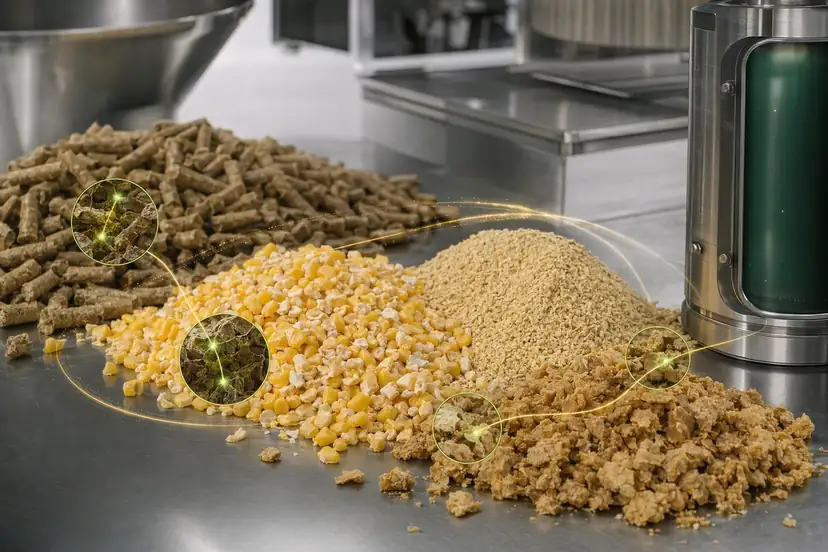
Plant ingredients carry valuable phosphorus, but much of it is bound in phytate and is not readily accessible to pigs. Inosira phytase helps hydrolyze phytate in swine diets, improving access to plant-bound phosphorus and supporting more precise mineral formulation across nursery, grower-finisher, and sow programs.
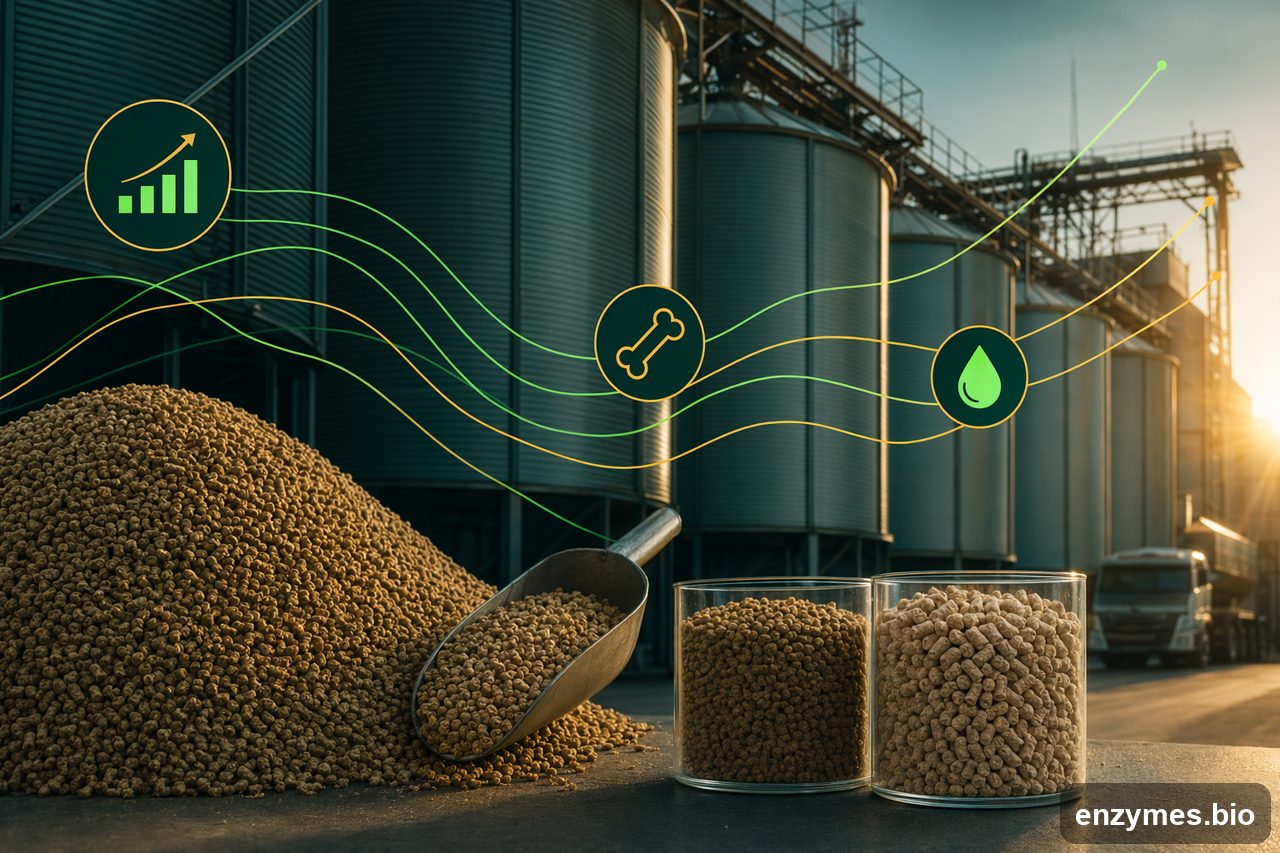
We supply phytase in bulk to swine feed mills, premix makers, integrators and distributors. The business case: less inorganic phosphate in the formula, mineral adequacy and bone development protected, and less phosphorus in manure.
Wholesale and bulk supply for swine feed manufacturers and resellers. Request a quote with the production phase, the quantity and the delivery country. Prices and lead times are quoted per order.
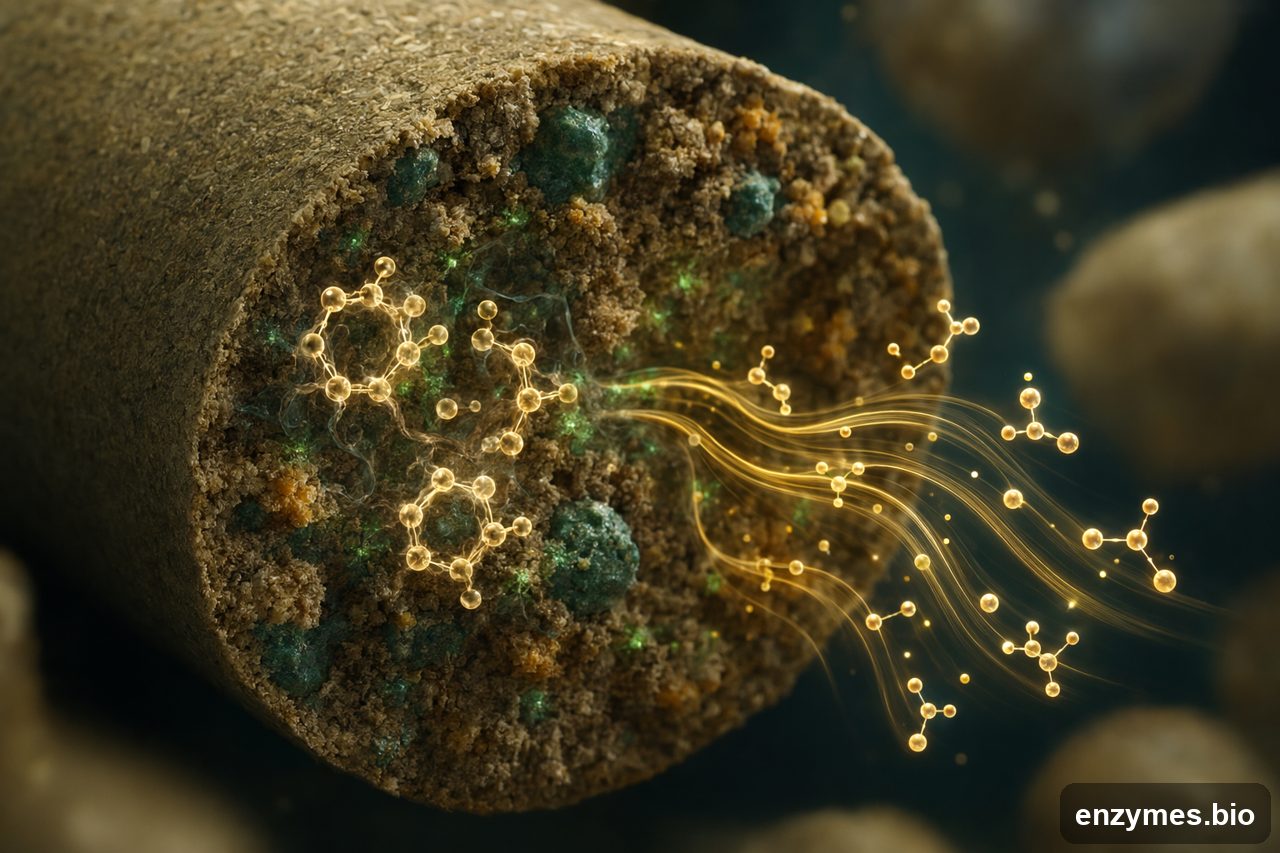
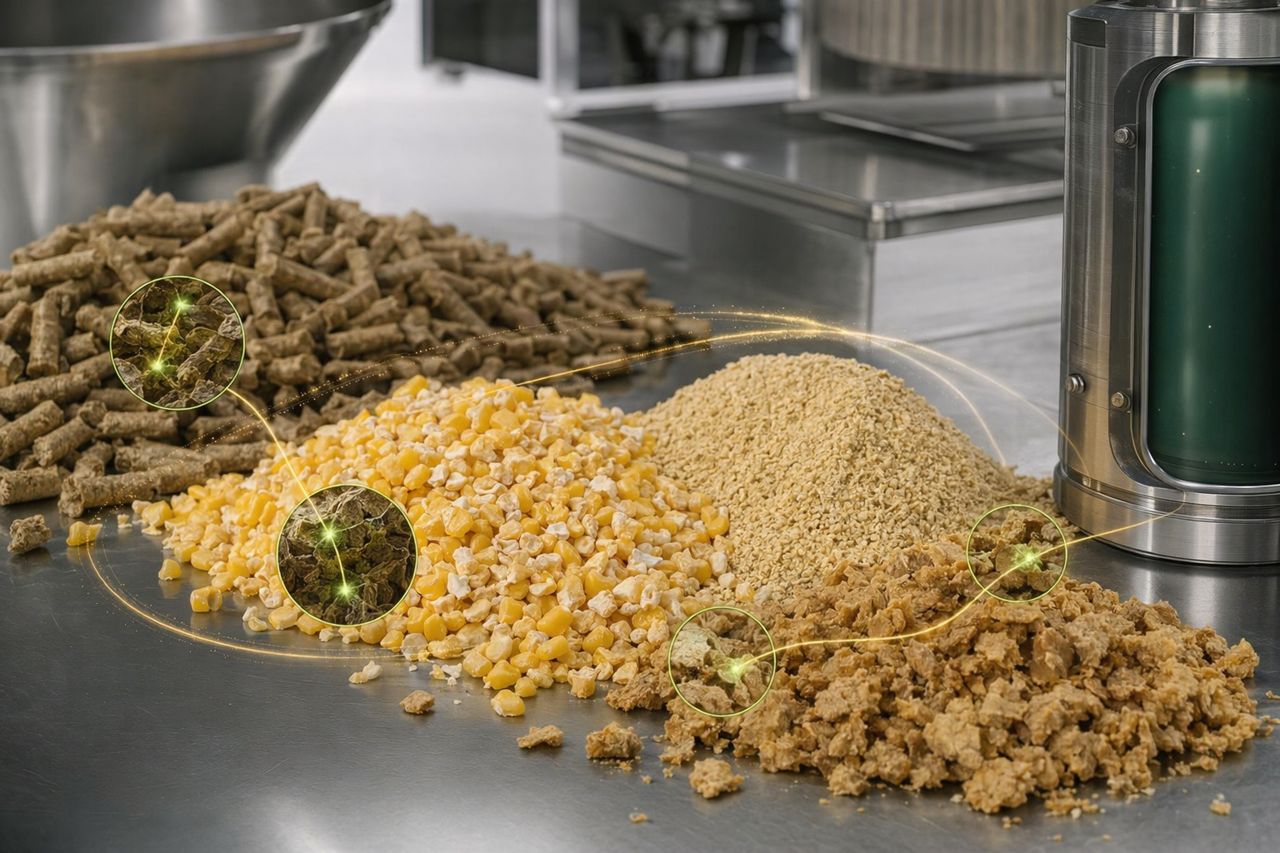
Corn, soybean meal, wheat, barley, canola meal, DDGS, and other plant-derived ingredients contribute phytate-bound phosphorus. Without enzymatic release, formulators often compensate with inorganic phosphorus and conservative safety margins.
Phytase, properly matched to the feed program, can help:
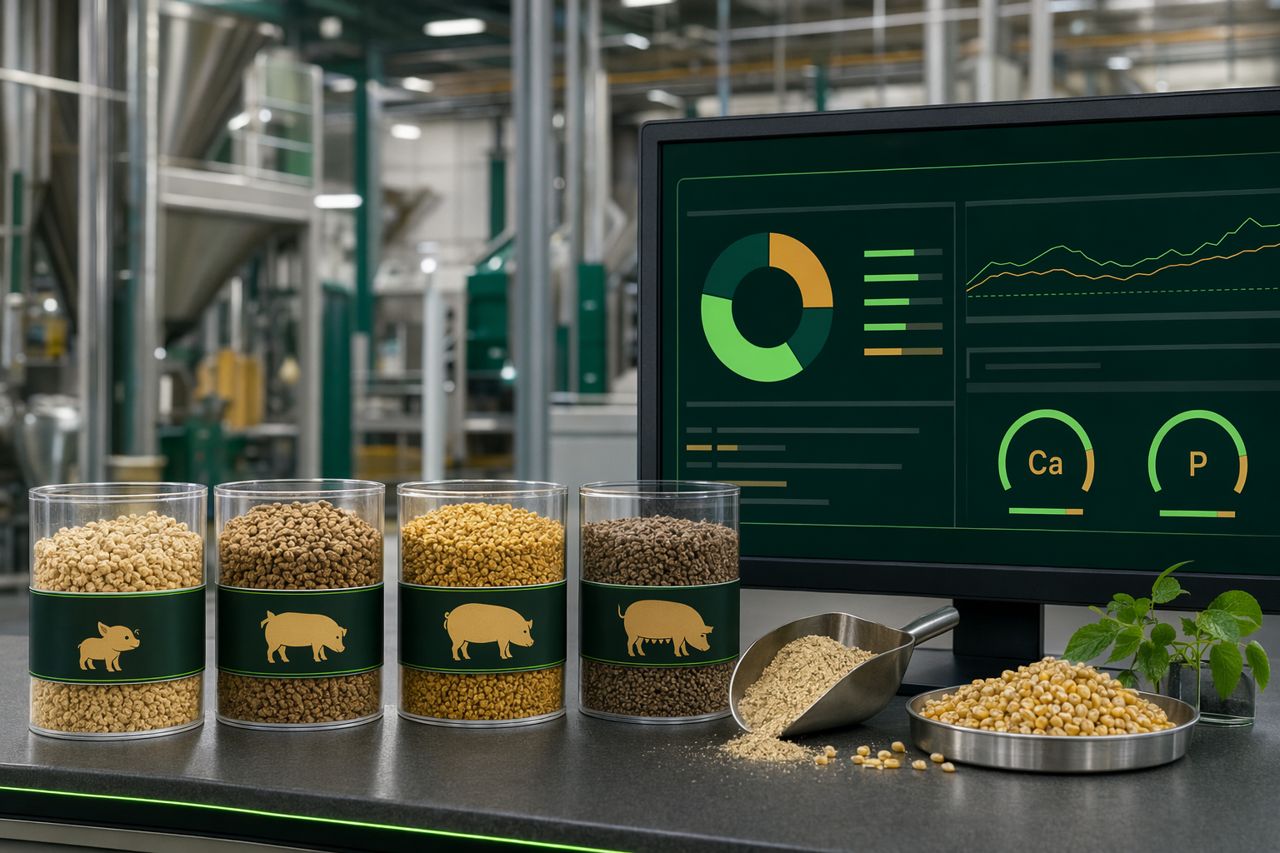
Young pigs have limited intake capacity and high mineral demand during rapid early growth. A dependable phytase strategy can support phosphorus availability during a phase where diet cost, digestibility, and performance risk are closely linked.
Key formulation objectives include:
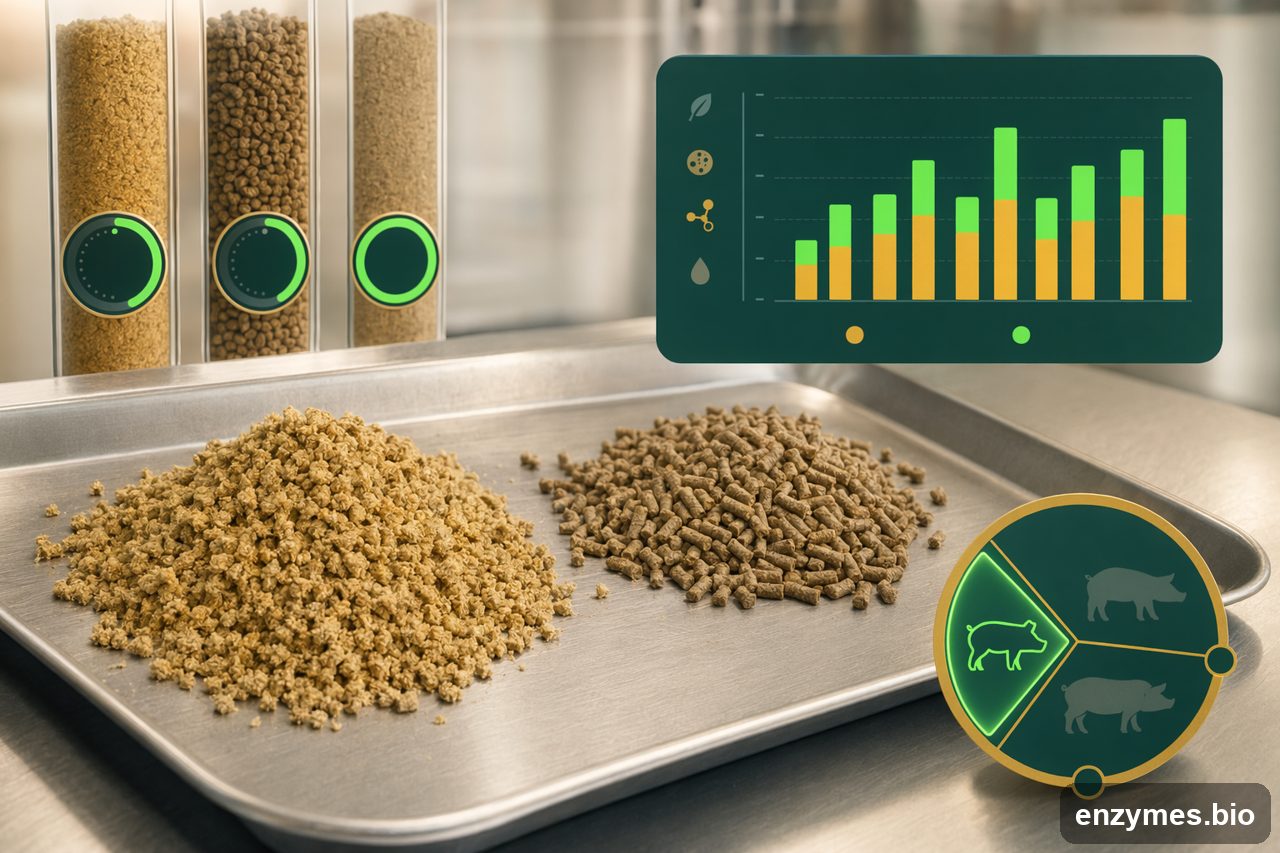
In piglet feed the business case is the phosphate bill. Through the weaning and the nursery phase, phytase lets the formula take out part of the digestible phosphorus that comes from mineral phosphate while calcium stays where it was. Growth and bone mineralization are the checks that the cut is safe, and the phytase level follows how much phosphate comes out.
Grower-finisher diets usually represent the largest feed volume in a swine system. Even small improvements in phosphorus release and inorganic phosphate replacement can have meaningful commercial impact at scale.
Inosira phytase supports programs focused on:
Gestation and lactation diets require disciplined mineral management across changing intake patterns and physiological demand. Phytase can help unlock phosphorus from plant ingredients while supporting a consistent mineral strategy in breeding-herd nutrition.
Common use cases include:
Phytase is not a simple add-on; it should be built into the mineral matrix and evaluated against the full diet. The best outcomes come when nutrition, procurement, and mill teams align on ingredient base, diet phase, feed form, and processing conditions.
Important factors include:
A phytase program can contribute to feed economics in several ways. The largest value often comes from replacing a portion of inorganic phosphate, but the full business case may also include procurement flexibility, environmental compliance, and more consistent diet formulation.
Inorganic phosphate pricing can fluctuate with raw material and freight markets. Phytase gives procurement and formulation teams another lever for managing mineral cost while maintaining defined nutritional targets.
By improving utilization of plant phosphorus, phytase can reduce phosphorus excretion. This supports manure-management planning, especially in regions with nutrient-loading limits or land-application scrutiny.
When ingredient baskets change, phytase helps extract more value from plant-based phosphorus. This is useful for systems using DDGS, wheat middlings, canola meal, or regional grain streams alongside standard corn-soy diets.
To quote accurately and recommend a suitable commercial approach, Inosira typically reviews:
For the papers your purchasing, quality and formulation teams need, we tell you which documents are available for that grade and destination market.
For swine phytase, send:
Prices, quantities and lead times are quoted per order. Request a quote.
Tell us your application and volume — we reply with pricing and lead time.
We have received your message. We will reply by email.