Phytase for Poultry Feed | Mineral Release for Broilers, Layers & Breeders
Technical phytase supply for poultry feed programs. Support phytate phosphorus release, mineral efficiency, formulation value, and lower phosphorus excretion in broiler, layer, and breeder diets.
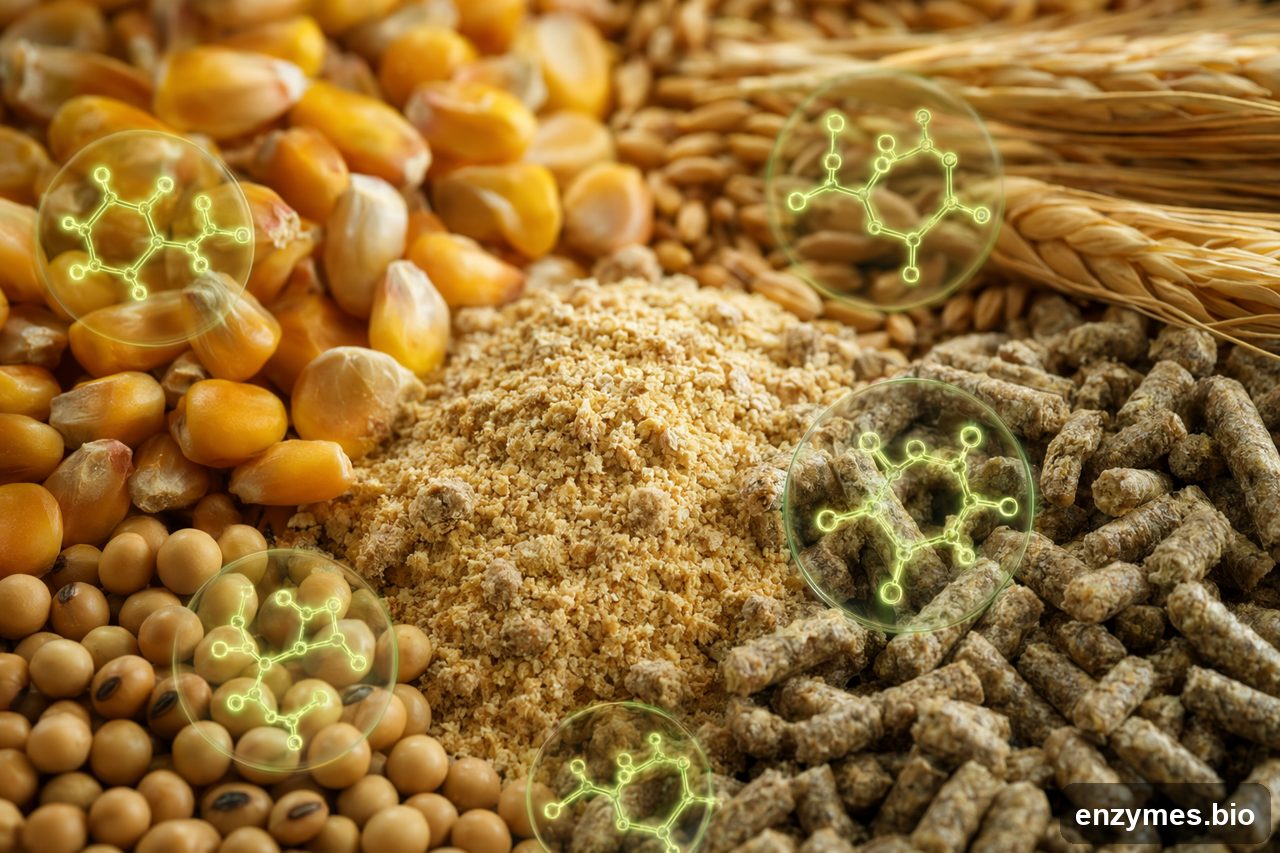
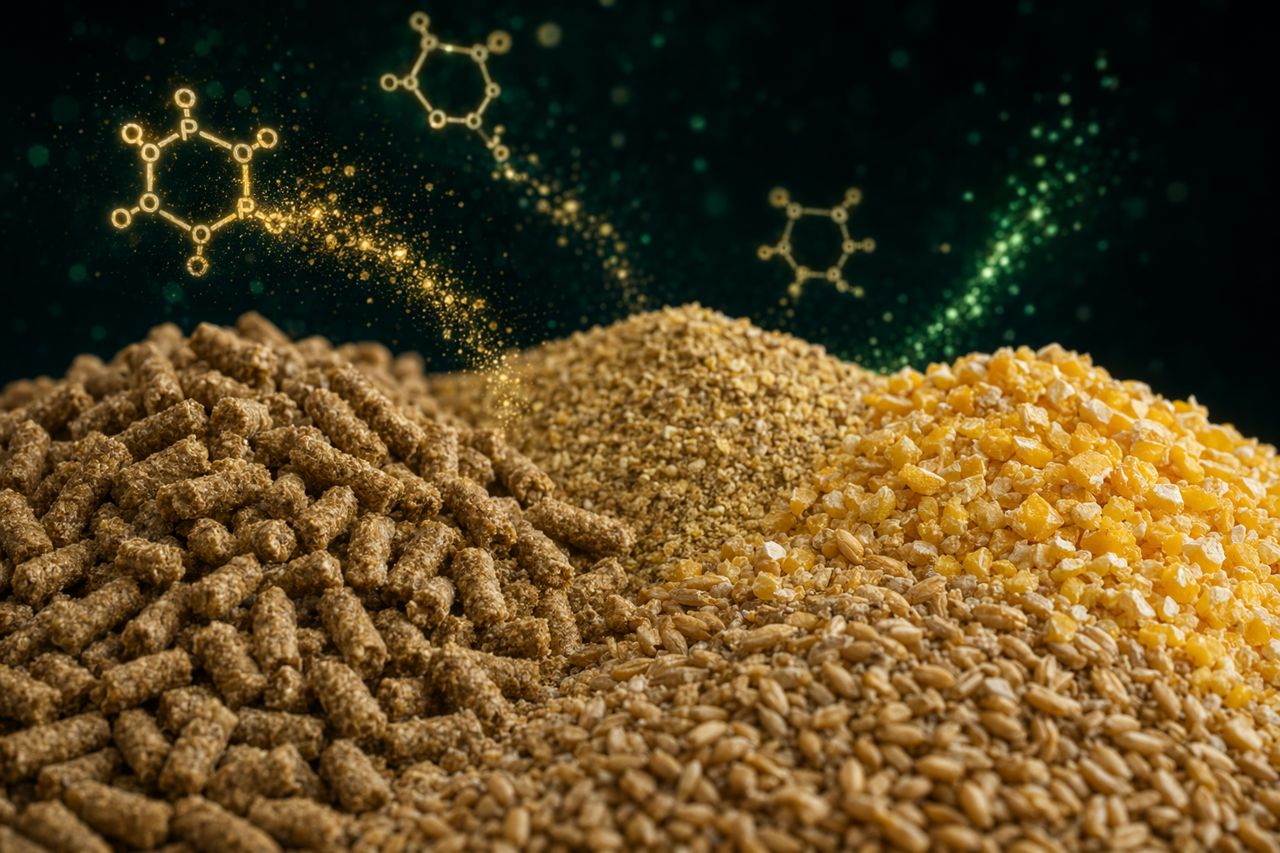
Phytase helps poultry nutritionists unlock phosphorus bound in phytate, the dominant storage form of phosphorus in corn, wheat, soybean meal, and other plant-based feed materials. In broiler, layer, and breeder diets, this supports more efficient mineral strategies, tighter formulation economics, and reduced phosphorus output in manure.
Inosira supplies phytase for commercial poultry feed programs where the enzyme must fit real mill conditions, formulation targets, premix workflows, and procurement requirements.
Why phytase matters in poultry nutrition
Plant ingredients can contain meaningful phosphorus, but poultry do not efficiently access the phytate-bound fraction on their own. Phytase — Phytase (myo-inositol hexakisphosphate phosphohydrolase) — hydrolyzes phytate and helps release phosphorus for nutritional use.
For poultry operations, that can translate into:
Lower reliance on inorganic phosphate sources
More controlled available phosphorus specifications
Support for bone mineralization and skeletal development in broilers
Support for eggshell mineral nutrition in layers and breeders
Lower phosphorus excretion into litter and manure streams
Improved use of nutrients already present in grain- and oilseed-based diets
Application fit: broilers, layers, and breeders
Broiler feed
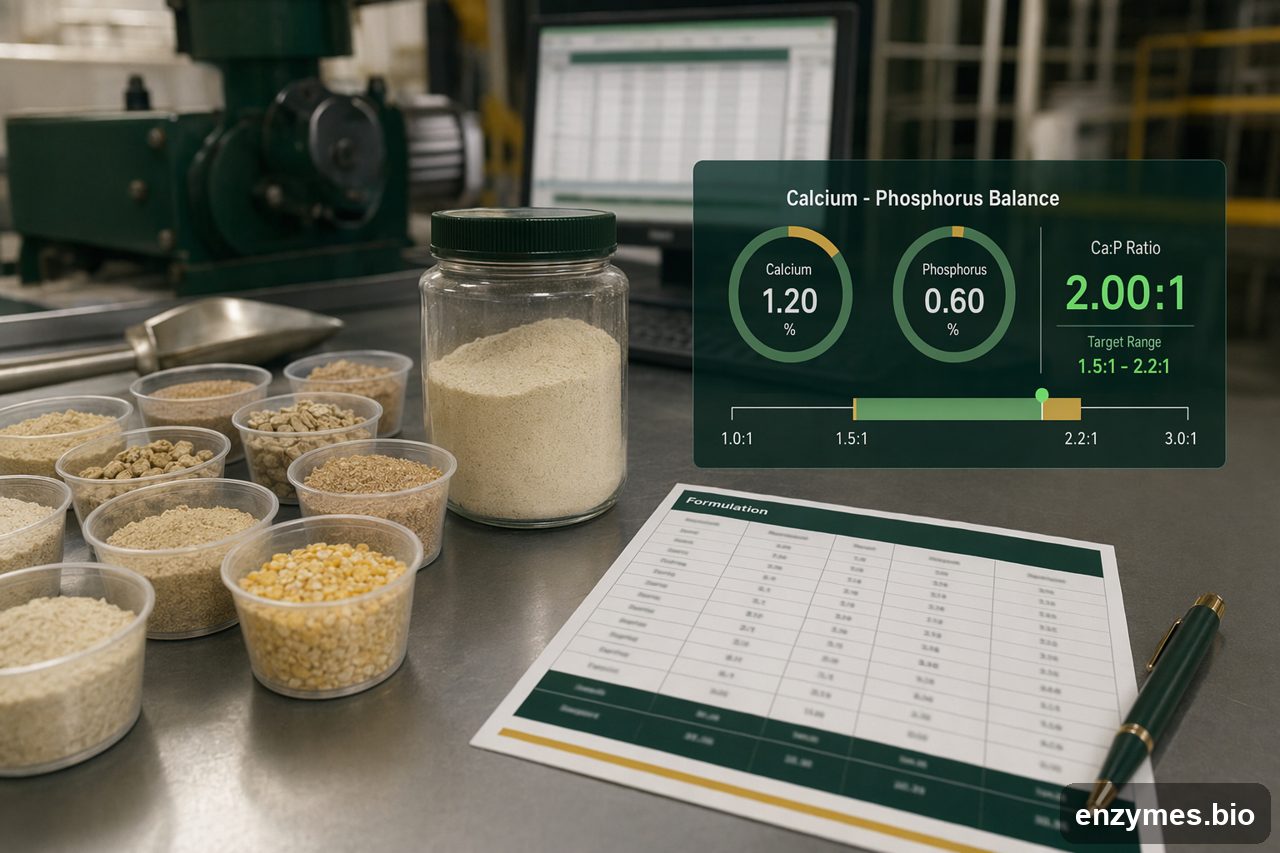
In broiler programs, phytase is typically evaluated for phosphorus release, calcium-phosphorus balance, feed cost contribution, and consistency across starter, grower, and finisher phases. The formulation value depends on the diet composition, mineral matrix, safety margins, and expected processing conditions.
Layer feed
Layer diets require careful mineral management to support shell quality, bird health, and long-cycle performance. Phytase can help nutritionists reduce inorganic phosphate inclusion while maintaining a disciplined approach to calcium and available phosphorus balance.
Breeder feed
Breeder nutrition places a premium on consistency, reproductive performance, and mineral adequacy. Phytase selection should consider ingredient variability, feed form, pelleting exposure, and the nutrition team’s confidence in the assigned matrix values.
What buyers should specify
A productive phytase discussion starts with commercial and technical context. For a poultry feed quote, share:
Target species and production phase
Feed format: mash, crumble, pellet, or premix pathway
Major grain and protein ingredients
Current inorganic phosphate source and reduction target
Calcium strategy and available phosphorus assumptions
Pelleting or conditioning exposure, if relevant
Packaging, documentation, and delivery requirements
Annual or campaign purchasing volume
Inosira can then recommend grade options, supply format, compatibility considerations, and commercial pricing aligned with your program.
Formulation value without overcomplication
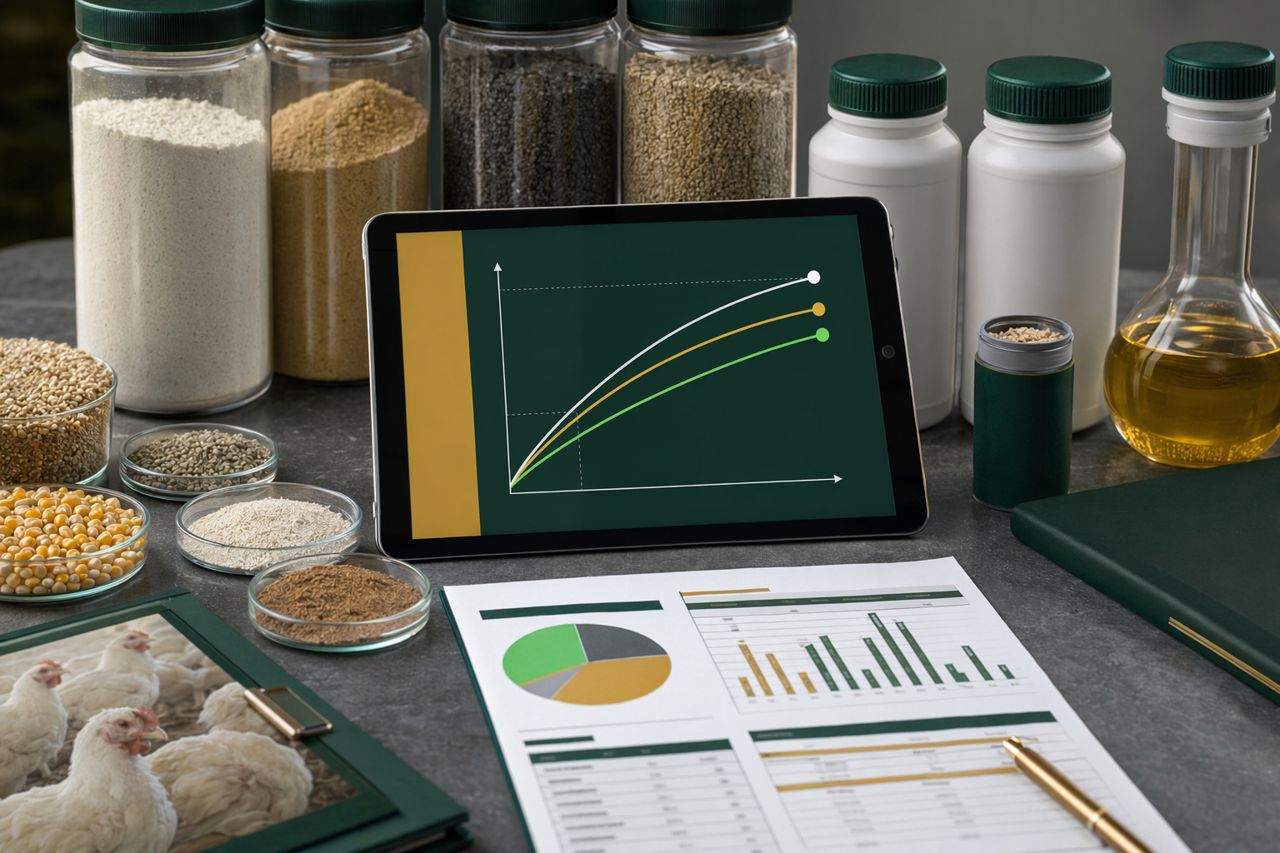
Phytase value is not just a replacement calculation. It is the result of enzyme choice, diet substrate, mineral assumptions, feed processing, and purchasing economics working together.
Decision area
Why it matters in poultry feed
Ingredient base
Phytate availability varies across grains, oilseed meals, and by-products.
Calcium level
Calcium can influence phytate interactions and mineral strategy.
Feed processing
Heat, moisture, and retention time can affect enzyme selection and format.
Matrix values
Nutrition teams need conservative, defensible assumptions for phosphorus release.
Premix workflow
Inclusion route affects handling, blending, and documentation needs.
Procurement plan
Stable sourcing supports consistent formulation and cost control.
Supply formats and handling considerations
Phytase may be supplied in formats suitable for different feed manufacturing systems. Selection depends on how the enzyme will enter the feed stream, whether the feed is pelleted, and how the plant manages premix, micro-dosing, and quality documentation.
Key considerations include:
Dry or liquid application route
Compatibility with mineral premixes and carrier systems
Exposure during conditioning and pelleting
Storage environment and shelf-life expectations
Packaging size and plant handling preferences
Documentation required by the feed mill or integrator
Sustainability impact
Better phytate phosphorus release can reduce dependence on mined inorganic phosphate and lower phosphorus excretion in poultry manure. For integrators and feed producers tracking nutrient management, litter stewardship, and mineral sourcing, phytase is a practical tool with both formulation and environmental relevance.
Embedded explainer video
Watch the 1-minute overview: how phytase supports phosphorus release, mineral strategy, and feed formulation value in poultry diets.
Request pricing for poultry phytase
Tell us what you are formulating and what you need the enzyme to accomplish. Inosira will respond with relevant grade options, commercial pricing, and technical fit notes for your poultry feed program.
Not automatically. The replacement level depends on ingredient phytate content, diet phase, calcium strategy, safety margins, and the nutritionist’s validated matrix assumptions.
Is phytase relevant for pelleted poultry feed?
Yes, but product format and processing exposure matter. Pelleting conditions should be discussed before selecting the grade and application route.
Can phytase support sustainability reporting?
It can support programs focused on lower phosphorus excretion and reduced reliance on inorganic phosphate. The reporting method depends on the customer’s own nutrient model and production data.
What documentation is available?
Documentation depends on the selected grade and destination market. Inosira can provide relevant commercial and technical documentation during quotation.