Technical phytase solutions for legumes, oilseed meals, and plant protein concentrates where phytate reduction supports mineral availability, formulation value, and cleaner phosphorus management.
Plant proteins carry value: amino acids, minerals, fiber fractions, and scalable supply. They also carry phytate.
In legumes, oilseed meals, cereal co-products, and protein concentrates, phytate can bind phosphorus and key minerals, interact with protein, and reduce the nutritional value that formulators can confidently assign to an ingredient. Inosira phytase is designed for processors and nutrition teams that need a practical enzyme approach to unlock more value from plant-derived raw materials.
Reduce phytate-related limitations in plant proteins
Phytate is a natural phosphorus storage molecule in seeds and grains. In processing and nutrition, it can create measurable constraints:
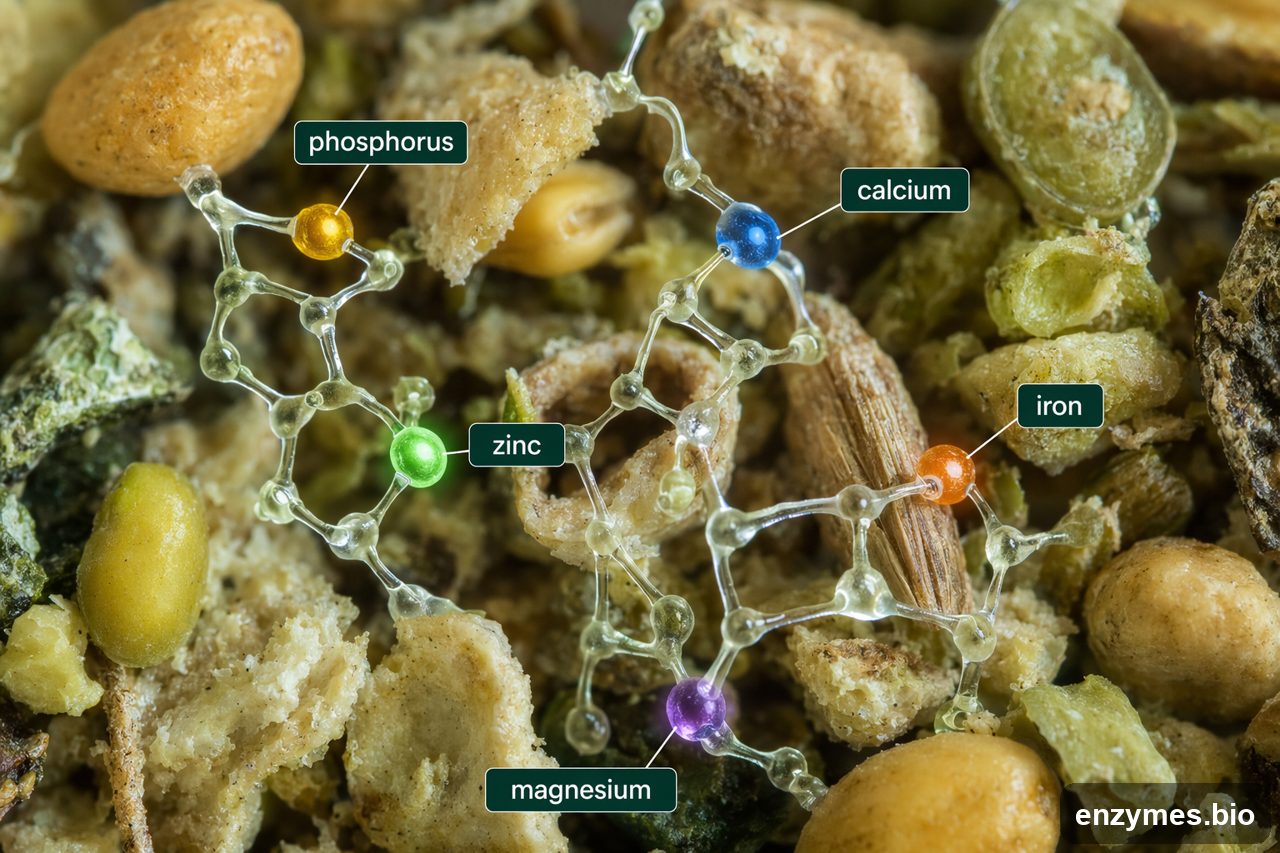
Mineral binding: complexes with calcium, zinc, iron, magnesium, and other cations.
Lower phosphorus availability: more total phosphorus remains nutritionally unavailable without enzymatic hydrolysis.
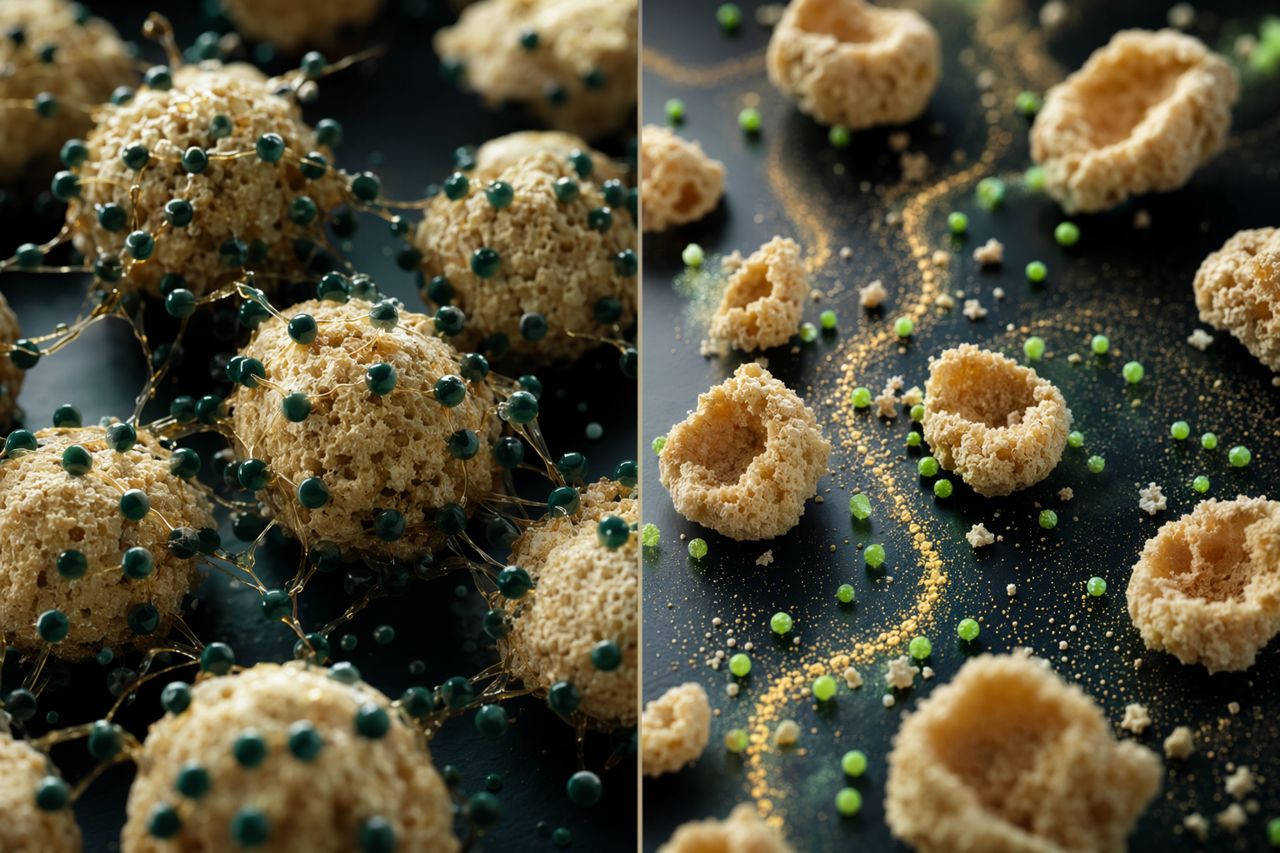
Protein interactions: phytate-protein complexes may affect digestibility, solubility, and downstream formulation behavior.
Higher supplementation pressure: nutritionists may need to add more inorganic phosphate or minerals to meet target specifications.
Sustainability exposure: unutilized phosphorus can contribute to higher phosphorus output in manure or process streams.
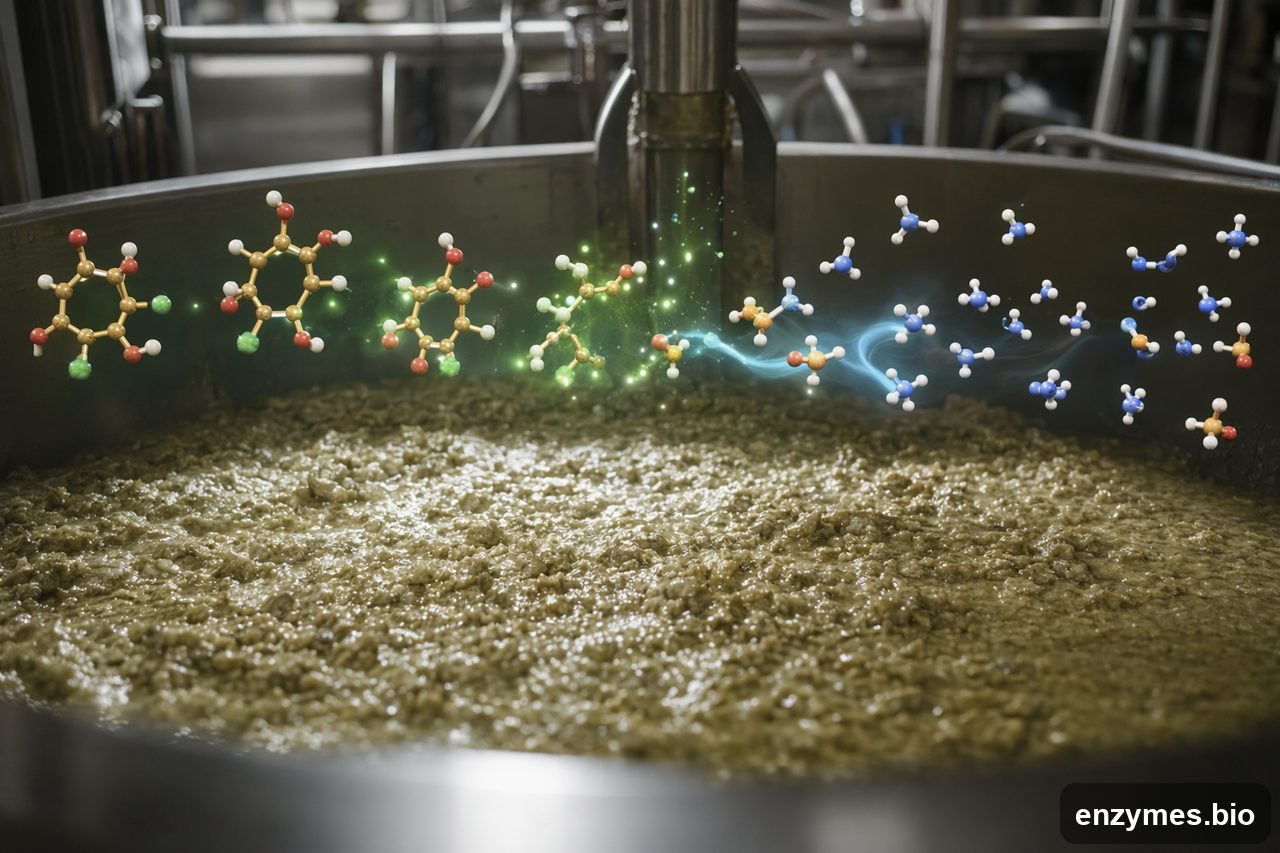
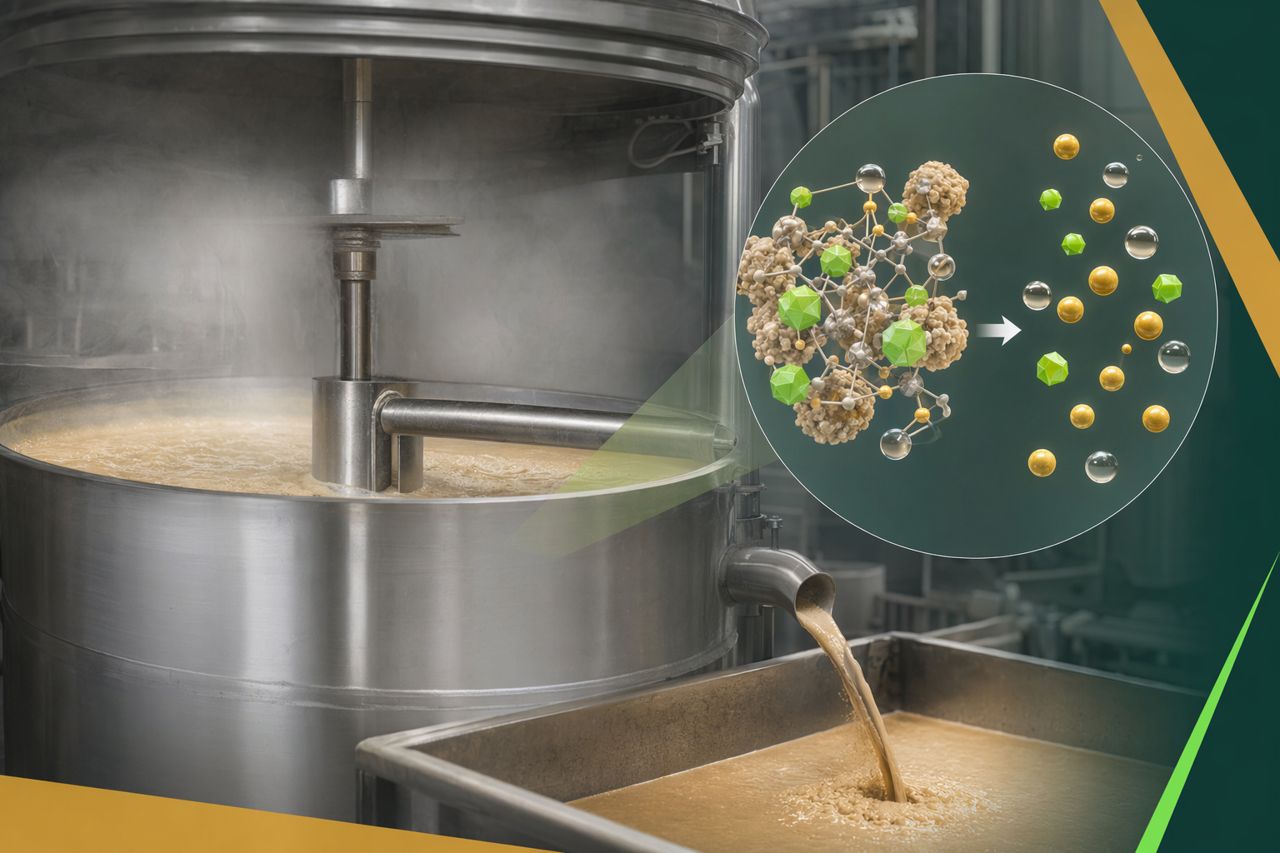
Phytase hydrolyzes phytate stepwise, releasing phosphate and reducing the anti-nutritional effect of phytate in plant protein systems.
Where phytase fits in plant protein processing
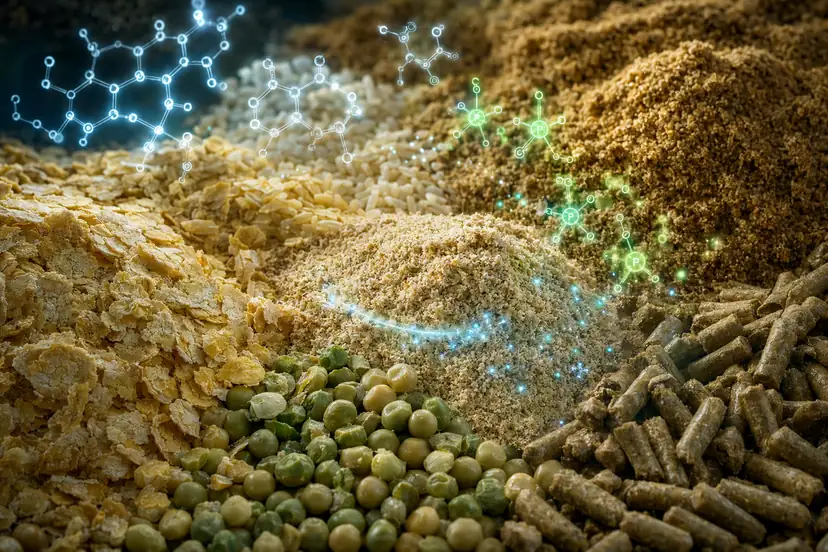
Inosira phytase can be evaluated across a range of plant protein inputs, including:
soybean meal and soy protein streams
pea, fava bean, chickpea, and other pulse ingredients
rapeseed, canola, sunflower, and sesame meals
rice bran, wheat bran, and cereal protein co-products
plant protein concentrates and textured ingredient bases
mixed plant-protein blends for feed and nutrition applications
The best point of addition depends on moisture, residence time, temperature exposure, pH, and whether the process includes a later thermal step. For ingredient treatment, phytase is typically assessed where the substrate is hydrated enough for enzyme contact and before conditions that intentionally inactivate enzymes.
Commercial value for formulators and processors
Phytase is not only a nutritional tool. It is also a formulation and procurement lever.
Nutrient release
By reducing phytate, phytase helps make more phosphorus and bound minerals nutritionally accessible. In animal feed applications, this can support reduced reliance on inorganic phosphate while maintaining mineral targets.
Ingredient upgrading
Processors can position treated plant protein ingredients with stronger nutritional rationale, especially where mineral availability, phosphorus efficiency, or anti-nutritional factor reduction is part of the customer specification.
Formulation flexibility
For nutritionists, phytase-treated plant proteins may support more precise matrix assumptions and reduce over-formulation. The commercial benefit depends on raw material phytate level, inclusion rate, processing conditions, and the customer’s formulation model.
Sustainability alignment
Improved phosphorus utilization can support lower phosphorus discharge from feed systems and a more efficient mineral footprint. This is increasingly relevant for integrators, premix producers, and food-chain customers tracking nutrient efficiency.
Practical processing considerations
Successful phytase use depends on enzyme placement and process discipline. Inosira supports evaluation around:
raw material phytate profile and expected mineral binding load
substrate moisture and mixing quality
contact time before heat exposure
process pH and temperature compatibility
liquid versus dry addition strategy
compatibility with acidification, fermentation, extrusion, or conditioning steps
storage format, handling flow, and packaging requirements
For high-heat processes, phytase should be positioned with a clear view of when activity is needed and when thermal inactivation is expected. For treated ingredients, validation should focus on phytate reduction, mineral release, finished ingredient performance, and downstream formulation economics.
Use cases by buyer team
For nutritionists
Support more accurate phosphorus and mineral contribution from plant ingredients.
Reduce the anti-nutritional burden of high-phytate raw materials.
Build ingredient matrices that reflect real processing conditions.
For plant protein processors
Add technical differentiation to commodity or semi-commodity meals.
Improve the nutritional story behind concentrates and blended protein bases.
Create treated ingredient specifications aligned with customer formulation needs.
For procurement teams
Evaluate phytase as a cost-in-use tool, not only as an enzyme line item.
Compare ingredient upgrading against additional mineral supplementation.
Secure documentation, packaging, and supply continuity for routine production.
For technical directors
Define pilot trials with clear endpoints: phytate reduction, mineral availability, process fit, and commercial return.
Align enzyme use with quality systems and regulatory requirements in the target market.
Connect lab data, process conditions, and customer-facing ingredient claims.
What to define before a phytase trial
A useful trial brief should include:
Plant protein type and supplier variability.
Current process flow and available addition points.
Moisture, pH, temperature, and residence time ranges.
Target outcome: mineral release, phosphorus reduction, ingredient positioning, or feed formulation value.
Any later heat step, drying step, extrusion step, or pelleting exposure.
Finished ingredient format and shelf-life expectations.
Inosira can help structure the trial logic and supply options suited to your process constraints.
Why Inosira phytase
Inosira focuses on industrially relevant phytase use: clear technical fit, realistic economics, and practical documentation for B2B purchasing. We support processors and formulation teams with:
application-specific product selection
process-fit discussion for plant protein streams
guidance for pilot and production-scale evaluation
documentation for procurement and quality review
packaging and supply options for routine manufacturing
commercial support for quote, lead time, and volume planning
Request pricing or technical fit support
If you are evaluating phytase for legumes, oilseed meals, cereal co-products, or plant protein concentrates, share your process basics and target outcome. Inosira will respond with a fit assessment and pricing path.